

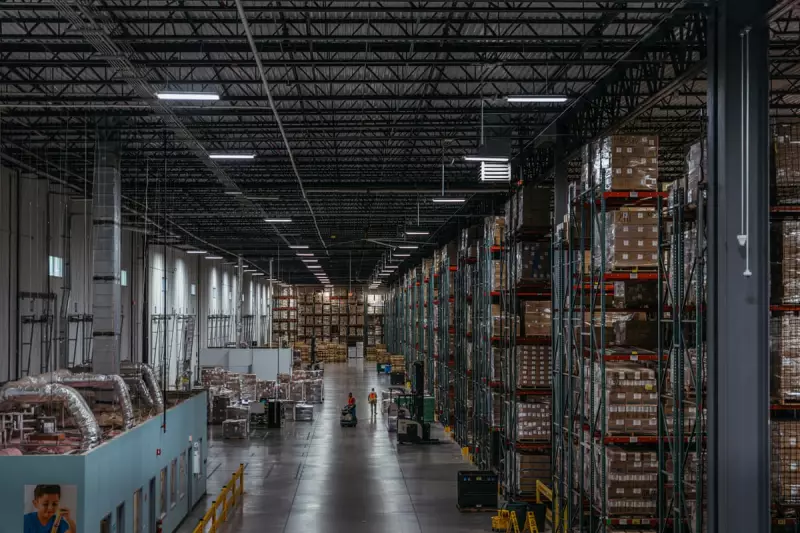
In a sprawling warehouse outside Chicago, boxes of educational toys glide along conveyors, destined for holiday shoppers across the United States. This scene of industry at Learning Resources, a family-owned firm, belies a monumental legal fight now before the US Supreme Court. The company is challenging the legality of tariffs unilaterally imposed by former President Donald Trump, with millions of dollars in duties and the future of its business hanging in the balance.
A Family Business Takes on the Presidency
The company, which employs over 500 people and produces around 2,000 products like children's binoculars and learning games, has filed suit against the Trump administration. Learning Resources argues that the tariffs, enacted under the International Emergency Economic Powers Act (IEEPA), represent an illegal overreach of presidential power. The case, Learning Resource v. Trump, was heard by the Supreme Court in November, with a ruling anticipated in the new year.
Senior vice-president Stephen Woldenberg, whose grandparents founded the business, revealed the staggering financial impact. After paying about $2m in tariffs in 2024, the company projects a bill of roughly $14m this year solely from the new IEEPA tariffs. "The risk of doing nothing outweighed the risk of a lawsuit," Woldenberg stated, emphasising that the legal challenge was a business necessity, not a political stance.

Disruption and the Fight for Refunds
The tariffs have profoundly disrupted operations at Learning Resources. Woldenberg described them as making long-term planning "impossible," citing a period where rates changed every three days on average. The company has been forced to cut expenses, slow hiring, and scale back new product development. He estimated a third of staff are now diverted to supply chain issues instead of their core roles.
A product called the BubblePlush exemplifies the chaos. Production was moved from China to India to avoid higher tariffs, only for India's rate to jump from 25% to 50% while the shipment was en route. The container arrived six hours late for the lower rate, costing the company an extra $50,000. The firm is seeking not just an end to the tariffs but also refunds for duties already paid. The Trump administration, according to reports, is attempting to deposit tariff payments quickly into the US Treasury to potentially complicate any future refund process.
Broader Implications and an Uncertain Future
The Supreme Court justices, including conservatives, appeared sceptical of the administration's position during oral arguments. Chief Justice John Roberts noted that imposing taxes traditionally resides with Congress, not the president. While large retailers have largely avoided the fray, Costco has filed a similar lawsuit, and the case combines challenges from Democratic attorneys general and other small businesses.
Woldenberg dismissed the argument that tariffs would simply bring manufacturing back to the US, citing costs 10 to 20 times higher in America. A popular children's cash register retailing at $47.99 could cost over $100 if made domestically. "We don't think it's possible," he said, noting the lack of competitors shifting production.
Regardless of the court's decision, uncertainty lingers. "We expect that there will be tariffs after a decision is brought down," Woldenberg admitted. For the Woldenberg family, the lawsuit is about safeguarding a century-old legacy and the livelihoods of hundreds of employees. "We wanted to make sure that we did everything we could to stand up for our company," he said, highlighting the mortgages, tuitions, and lives dependent on the business's survival.






