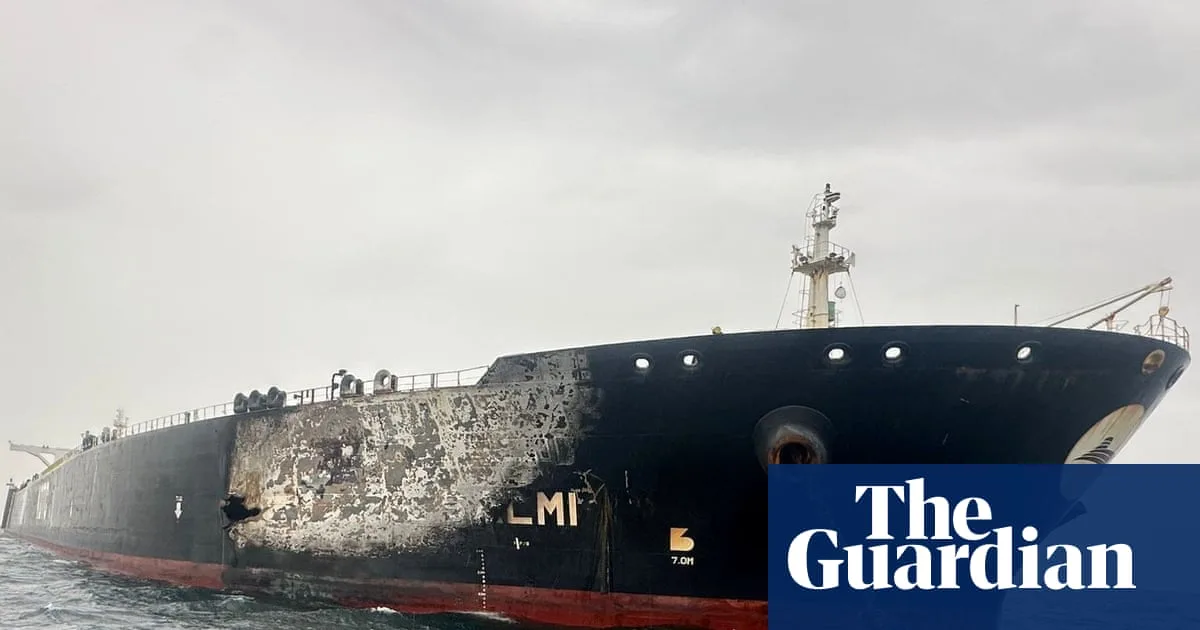
Iranian Drone Strike Targets Kuwaiti Oil Tanker in Dubai Port
An Iranian drone attack has ignited a significant fire on a fully loaded crude oil tanker anchored at Dubai port, escalating tensions in the Gulf region and heightening fears of a potential environmental disaster. The strike targeted the Al Salmi tanker, which was carrying approximately 2 million barrels of oil from Kuwait and Saudi Arabia, with its destination listed as Qingdao, China, according to industry tracking data.
Immediate Response and Safety Confirmation
Dubai authorities reported that maritime firefighting teams successfully extinguished the blaze early on Tuesday, hours after the attack was first detected. Officials confirmed that no oil leak occurred from the vessel, alleviating immediate concerns about a spill in the busy port. Importantly, all 24 crew members aboard the Al Salmi were confirmed safe, with no injuries reported, as emergency services continued to assess the situation and damage to the tanker's hull.
Geopolitical Context and Escalating Conflict
This incident marks the latest in a series of attacks on merchant vessels in the Gulf and the strategic Strait of Hormuz, amid the ongoing US and Israel war on Iran. The conflict has now persisted for over a month, spreading violence across the Middle East, resulting in thousands of casualties, and severely disrupting global energy supplies. Key developments include:
- Hours before the attack, former US President Donald Trump issued a stark warning, threatening to obliterate Iran's energy infrastructure if it fails to reopen the Strait of Hormuz.
- The Wall Street Journal later reported that Trump indicated a willingness to end the war even if the strait remains closed, with military options not being his immediate priority.
- Reinforcements, including thousands of soldiers from the US Army's elite 82nd Airborne Division, have begun arriving in the Middle East, expanding potential deployment options inside Iranian territory.
Economic and Political Ramifications
The attack triggered a brief spike in crude oil prices, reflecting market jitters over supply security. Brent crude is on track for a 59% surge in March, the largest monthly gain on record, directly attributable to the Middle East war. This surge in oil and fuel prices is starting to strain US household finances and has become a significant political challenge for Trump and the Republican Party ahead of the November midterm elections, contradicting earlier vows to lower energy costs and boost domestic production.
Diplomatic Efforts and Regional Stability
White House press secretary Karoline Leavitt stated that Trump aims to reach a deal with Tehran before a 6 April deadline, extended from an earlier ultimatum for Iran to open the Strait of Hormuz. This narrow waterway is critically important, typically carrying about one-fifth of global oil and liquefied natural gas supplies. With attacks from both sides showing no signs of abating, fears of a broader regional conflict are intensifying, threatening to plunge the global economy into further turmoil.






