

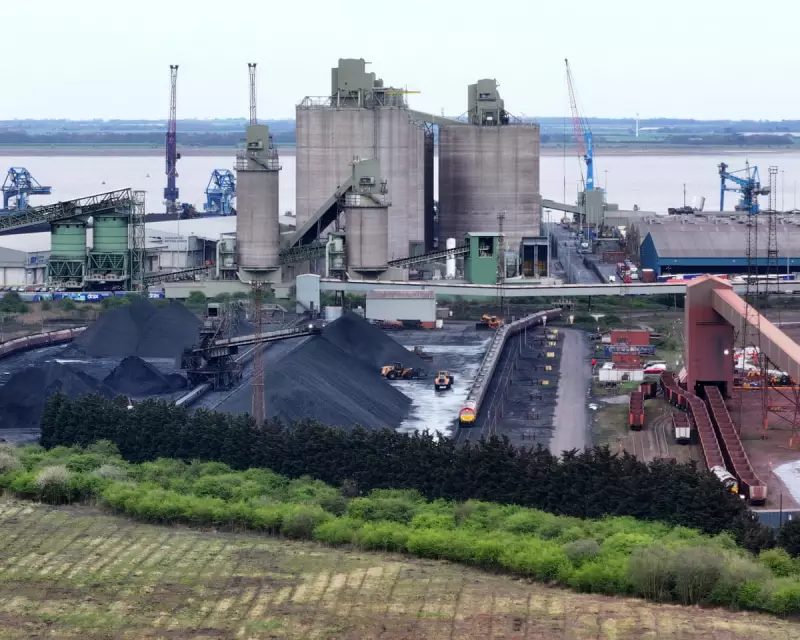
A major overhaul of European Union trade and environmental policy comes into force today, introducing a new 'green tariff' that will significantly affect British exporters of high-carbon goods like steel and cement.
What is the Carbon Border Adjustment Mechanism (CBAM)?
The EU's Carbon Border Adjustment Mechanism (CBAM) is now active, marking the most substantial shift in green trade rules for decades. Companies selling products such as iron, steel, aluminium, cement, hydrogen, electricity, and fertilisers into the EU bloc must now demonstrate compliance with low-carbon regulations or face financial penalties.
The mechanism's core aim is twofold: to create a level playing field for EU industries facing overseas competition, and to prevent 'carbon leakage'—where production moves to regions with more lenient environmental rules. Stéphane Séjourné, the European Commission's Executive Vice-President for Prosperity and Industrial Strategy, stated the reform provides "crucial and long-awaited measures" to secure European competitiveness and support decarbonisation efforts.

Implications for UK Industry and Lingering Uncertainty
Despite initial expectations that the EU might soften the rules, the bloc has pressed ahead, drawing protests from major economies including China, the US, and Australia. For the UK, the immediate concern is a lack of a formal agreement with Brussels to exempt British goods, given the UK's own existing carbon pricing system.
This failure to secure a deal means UK exporters, such as those operating from sites like British Steel's bulk terminal at Immingham Docks, now face a complex new layer of administration. Experts warn this could lead to initial confusion and a significant bureaucratic burden. A government spokesperson confirmed ongoing work to secure a "carbon linking agreement," which they claim would exempt businesses from over £7bn in export charges.
Diana Casey, Executive Director of the Mineral Products Association, highlighted the acute challenge for UK cement producers. She noted that cement imports now constitute about a third of the UK market, tripling from a decade ago, largely due to cheaper production costs abroad where decarbonisation is less advanced. "We need the CBAM to level that carbon cost playing field," she asserted.
Future Expansion and Broader Market Impacts
The EU has already signalled plans to expand the CBAM's scope from 2028 to include finished goods like machinery and electric appliances that contain regulated materials such as steel and aluminium. This move is designed to stop manufacturers from circumventing the rules by moving final assembly outside Europe.
While the new system may erode the price advantage of Chinese steel in the EU market, some analysts fear it could create a glut of products being 'dumped' at low prices into alternative markets like the UK. The UK is expected to introduce its own version of a CBAM next year.
Opinions on the immediate price impact are mixed. Adrien Assous of the Sandbag thinktank believes the initial effect will be "quite mild," arguing the covered emissions are not yet vast. However, EU industries will also face changes as they transition from receiving free carbon allowances to purchasing them, which could influence costs.
On a positive note, Wopke Hoekstra, the EU's Climate Commissioner, suggested UK firms have "little to be concerned about" in the long term, especially once carbon market linkage is achieved. Meanwhile, Adam Berman of Energy UK called for an exemption for clean UK electricity exports to the EU, warning it would be "baffling" to disincentivise renewable energy imports.






