

European Union leaders are poised for a decisive summit this Thursday, where they will determine whether to unlock billions in frozen Russian central bank assets to fund a massive loan for Ukraine. The controversial plan, seen as a critical test of European resolve, would provide Kyiv with vital financial support as it faces a severe funding shortfall.
The Mechanics of a High-Stakes Financial Plan
At the heart of the proposal is a complex financial mechanism involving €210bn (£184bn) of immobilised Russian sovereign assets, the majority of which are held by the Brussels-based securities depository, Euroclear. The EU intends to use these frozen funds as the basis to raise an initial €90bn loan for Ukraine, covering an estimated two-thirds of the country's financial needs for 2026 and 2027.
The loan structure contains a pivotal condition: Kyiv would only be required to repay the money to the EU if and when Russia agrees to pay reparations for the vast damage caused by its invasion. Throughout this process, Russia would legally remain the owner of the underlying assets, with the EU acting as an intermediary borrower from Euroclear.

Mounting Pressure and Shifting Political Calculus
The push to utilise the principal of the frozen assets, rather than just the interest as agreed in 2024, gained significant momentum in October. A key turning point was the decisive support from Germany's Chancellor, Friedrich Merz. While sharing concerns about eurozone stability, Berlin now views Russia's imperial ambitions as the greater economic threat.
External pressures have also intensified the need for action. With Donald Trump halting new US military aid and European nations struggling to fill the gap, Ukraine's financial situation is becoming desperate. The European Commission estimates Kyiv needs €136bn in 2026 and 2027 to fund its defence and basic state functions. Without new funds by spring, Ukraine risks bankruptcy, unable to pay its soldiers and public servants.
Opposition, Legal Threats, and the Search for Alternatives
The plan faces staunch opposition from Belgium, the host nation for Euroclear where the lion's share of assets are held. The Belgian government has labelled the proposal "fundamentally wrong", fearing it could be left with multibillion-euro liabilities if Moscow successfully sues Euroclear and seizes Belgian property in Russia in retaliation. Belgium demands cast-iron guarantees from fellow EU states covering 100% of any potential claims.
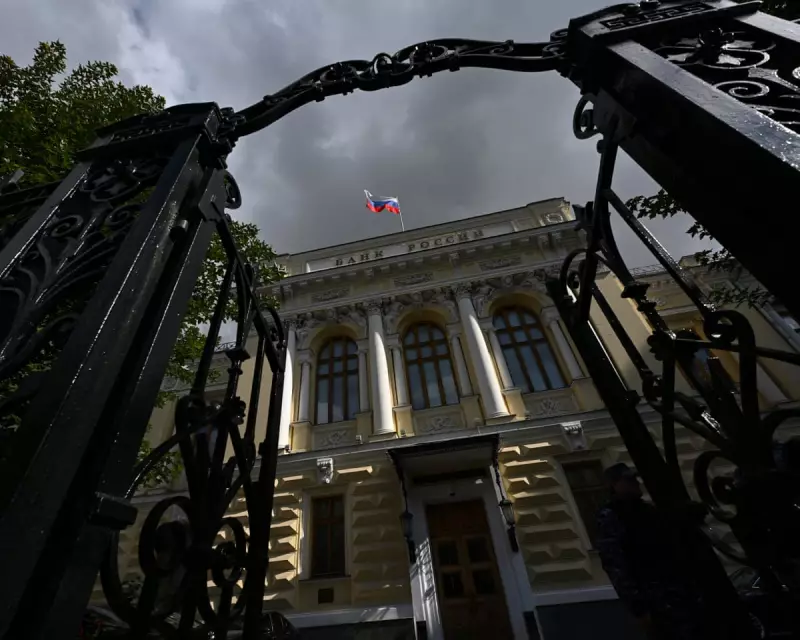
Moscow's response has been predictably furious. President Vladimir Putin has denounced any use of the assets as "theft", with the Russian Central Bank launching a $230bn damages claim against Euroclear. The Kremlin has also prepared decrees to seize Western assets in Russia should the EU proceed.
An alternative exists: using unallocated EU budget funds as collateral for a Ukraine loan. However, this requires unanimous agreement, and Hungary's government has already signalled a veto. The frozen-assets plan, in contrast, only needs a qualified majority, though officials are reluctant to overrule Belgium.
A Defining Moment for European Unity
The outcome of this week's summit carries profound implications. Chancellor Merz issued a stark warning, stating that failure to agree would "severely damage the EU's ability to act for years" and demonstrate an inability to stand together at a crucial historical juncture.
If a deal is struck, the relief will be palpable, but immense challenges remain. The legal framework must be enacted swiftly to meet Ukraine's urgent needs by spring. Furthermore, the colossal task of rebuilding Ukraine, estimated at over €506bn, and the unresolved issues of borders and security in any future peace deal, loom large on the horizon. This decision is not merely about finance; it is a definitive test of European strategic autonomy and commitment.






