

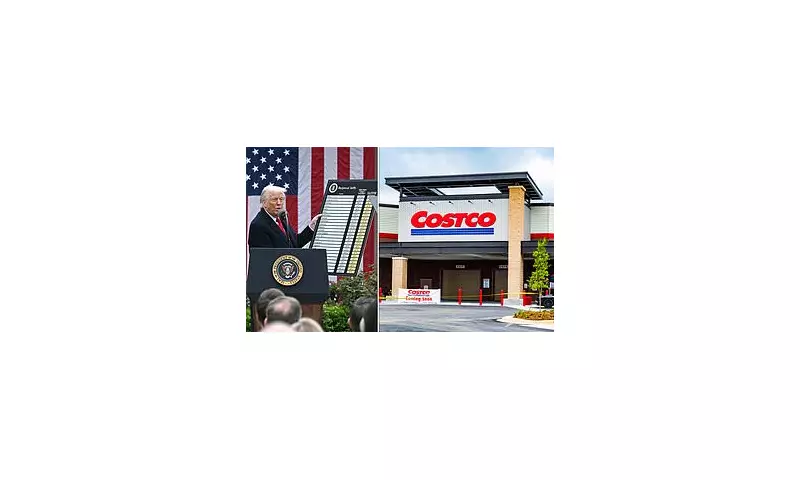
In a significant legal challenge to US trade policy, wholesale retailer Costco has filed a lawsuit against the administration of former President Donald Trump. The company aims to reclaim billions of dollars it has paid in tariffs, should the Supreme Court rule the underlying policy as unlawful.
The Legal Challenge and Core Argument
The complaint was lodged on Friday at the US Court of International Trade in Manhattan. Costco's central argument contends that Mr Trump's use of the International Emergency Economic Powers Act (IEEPA) to impose sweeping tariffs was an overreach and should be declared illegal. The lawsuit states that because the IEEPA does not clearly authorise the president to set tariffs, the orders "cannot stand" and the government is not authorised to collect the duties.
This move comes as the Supreme Court is currently reviewing the legality of Trump's broad "reciprocal tariff" policy. This policy was a cornerstone of his agenda to reshape global trade, involving the imposition of substantial tariffs on both allies and economic rivals. Costco argues it is entitled to a "full refund" of all duties paid if the justices find the policy lacks a sound legal basis.

The Financial Stakes and Consumer Impact
While Costco has not publicly disclosed its exact tariff bill, the collective cost to US importers has been colossal. According to US Customs and Border Protection data current to late September, importers have paid nearly $90 billion in tariffs under the policy. Trump has long asserted that the tariffs strengthened the US economy and generated over $205 billion for government coffers.
However, the burden has sharply impacted American consumers. The cost of everyday goods has soared, exacerbating living cost pressures for households. Apparel and textiles have seen price hikes of 8 to 17 percent, while groceries and food are up between 1.6 and 2.8 percent, with some items jumping by a staggering 25 percent.
Costco's Chief Financial Officer, Gary Millerchip, highlighted this strain, noting that tariffs inevitably raise costs. He revealed the company had absorbed some increases on key staple items like pineapples and bananas to shield its members from the full impact. Millerchip also noted that about a third of Costco's US sales come from imported products, with roughly 8 percent of sales on items imported from China.
Broader Repercussions and Political Fallout
Costco is not alone in its legal fight. Other major corporations, including Revlon, Yokohama Tire, and Kawasaki, have launched similar suits to secure refunds should the policy be overturned. The legal landscape appears uncertain for the administration; oral arguments presented by its lawyers to the Supreme Court in early November met with a lukewarm reception, suggesting judicial scepticism.
The tariff agenda has also influenced political sentiment. Recent polling indicates a dip in approval ratings linked to economic concerns, with voters citing the president's economic and immigration policies as reasons for their dissatisfaction. In a related development, the UK has secured a 0 percent tariff rate for all UK medicines exported to the US for at least three years, a deal negotiated in return for increased UK spending on new medicines.
The case underscores the ongoing tension between executive trade powers and their economic consequences, setting a pivotal precedent for future presidential authority and international commerce.






