China's $1.2tn Trade Surplus Strangles Global Manufacturing as US Influence Wanes
China's $1.2tn Surplus Strangles Global Manufacturing

As American influence on the world stage diminishes, China's colossal trade surplus is exerting immense pressure on manufacturing sectors across the globe. Recent data reveals a stark economic reality that is reshaping international trade dynamics and political alliances.

A Surplus of Unprecedented Scale

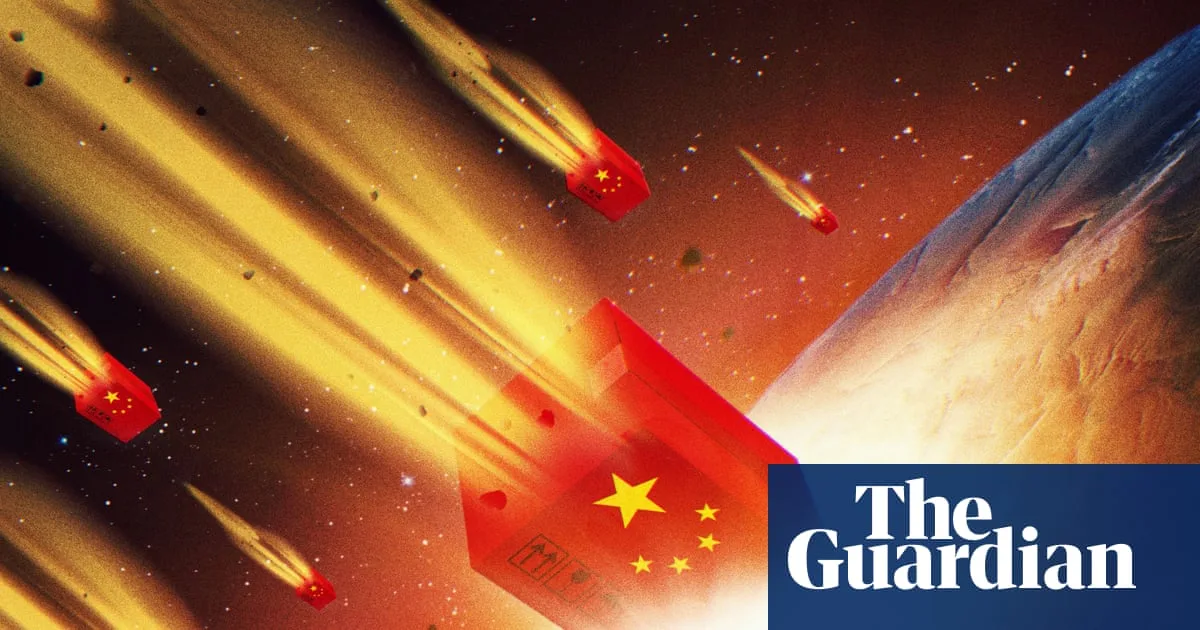
Beijing's latest figures show China's trade surplus expanded by a remarkable 20% in 2025, reaching an astonishing $1.2 trillion. This growth occurred despite former President Donald Trump's aggressive tariff policies that significantly reduced Chinese sales to the United States. China's overall exports still managed to increase by more than 5%, demonstrating the nation's formidable economic resilience and global reach.

Exports to the 11 countries comprising the ASEAN bloc surged by over 13%, while sales to the European Union rose by more than 8%. In stark contrast, Chinese imports remained essentially flat, creating what experts describe as a "gargantuan imbalance" that is suffocating manufacturers from wealthy European nations to developing countries across Asia and Latin America.

The Global Impact of Chinese Exports

Eswar Prassad, former head of the China division at the International Monetary Fund and now at Cornell University, emphasises the severity of the situation. "Forget Trump's tariffs," he states. "The real danger lies in China's trade surplus." This wave of Chinese exports serves as a powerful reminder that America's retreat from the global order it helped establish did not occur in isolation.

The United States' commitment to globalisation and liberal democratic principles fractured under the immense strain created by China's export-led economic expansion. While America's vulnerabilities are largely self-inflicted, Beijing must recognise that its current strategy is placing extraordinary stress on international economic institutions.

International Response and Growing Tensions

China's overwhelming export strategy is altering perceptions about the benefits of open trade far beyond American borders. The World Trade Organization reports more than 300 anti-dumping investigations since 2020 by low- and middle-income countries targeting Chinese exports ranging from steel and cutlery to footwear and washing machines.

Several nations have taken direct action against the surge of Chinese goods. Mexico imposed tariffs of up to 50% on Chinese products late last year, while India raised tariffs on steel imports to stem the flood of materials, primarily from China. This export wave has also contributed significantly to the European Union's growing consensus with the United States that the WTO in its current form is no longer functional.

Calls for Trade Governance Reform

Maroš Šefčovič, the EU Commissioner for Trade, articulated the urgent need for change as Davos meetings commenced. "We urgently need a new system of global trade governance fit for the 21st century," he wrote. Šefčovič specifically suggested it might be time to reconsider the WTO's foundational "most favoured nation" rule, which generally requires that tariff reductions offered to one trading partner be extended to all.

This principle emerged during globalisation's peak when expanding international trade was the paramount objective. However, growing concerns about China's perceived unfair practices – including currency undervaluation, state support for exporting firms through subsidised credit and other incentives, while maintaining a largely closed domestic market – are fostering international consensus that nations require new tools to protect themselves from what many view as China's overbearing tactics.

The American Context and Global Consequences

The "China shock" – the flood of imports following China's 2001 accession to the World Trade Organization – played a substantial role in reshaping American politics. This surge delivered a devastating blow to manufacturing regions across the United States that have yet to fully recover, creating fertile ground for political movements like MAGA to take root.

While manufacturing footprints have similarly contracted in Germany, the United Kingdom, France, Italy, and Japan over the past quarter-century, only in the United States did voters attempt to punish the rest of the world for these losses as Trump has done. America's exceptional response stemmed largely from its failure to establish the social infrastructure that other affluent nations deployed to manage industrial disruptions and mitigate the downsides of increased globalisation and technological change.

China's Strategic Position and Responsibilities

The world increasingly needs an engaged China, particularly as the United States turns away from international law and institutions. As the planet's second-largest economy, China could provide a valuable counterbalance to preserve an open trading system. Recent diplomatic developments suggest movement in this direction, with Canadian Prime Minister Mark Carney visiting Beijing before Davos to sign a new strategic partnership with President Xi Jinping.

China has also expanded its free trade agreement with the ASEAN bloc and exchanged state visits with South Korea. However, preserving a liberal trading regime requires China to move beyond merely presenting itself as a reasonable alternative to a United States that has, in many eyes, gone off course.

From steel to automobiles, China is producing goods far beyond the world's capacity to absorb them. Beijing's argument that its raw material purchases generate prosperity across the Global South, even as its exports overwhelm developing countries' manufacturing industries, is unlikely to build substantial support for Chinese leadership in the global economy.

Economic Realities and Future Prospects

Maintaining an export-led strategy may not even serve China's long-term interests effectively. Business investment is experiencing diminishing returns, requiring increasing capital to generate each additional job. This approach delivers limited prosperity to ordinary Chinese citizens, with household spending accounting for only 40% of GDP compared to 60% across OECD nations.

Trump's policies have paradoxically created an unprecedented opportunity for Beijing. As America retreats inward, space has opened for China to emerge as a global leader and steward of an alternative trading system. However, by adhering rigidly to its current economic approach, China risks validating America's turn against the global economy and further eroding confidence in a trading system from which it has benefited enormously.

The international community watches closely as these economic giants navigate their complex relationship, with manufacturing sectors worldwide caught in the crosscurrents of their competing visions for global trade.




