

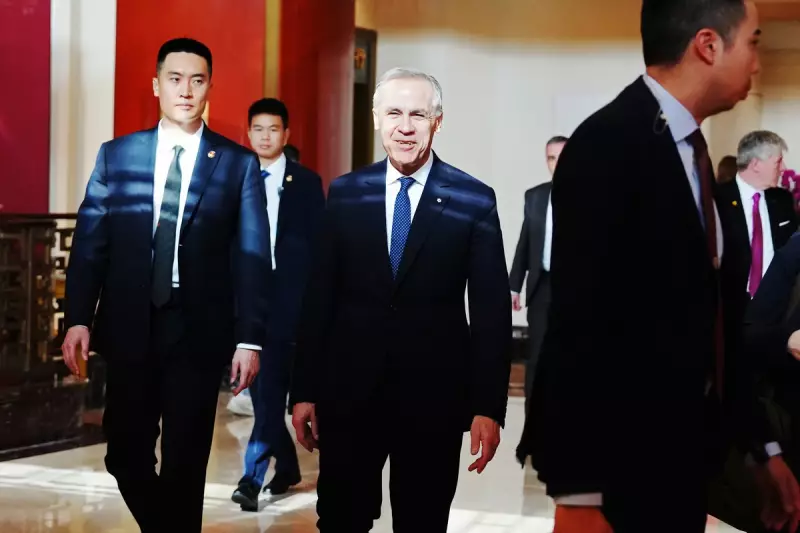
In a significant diplomatic move, Canadian Prime Minister Mark Carney has embarked on a landmark four-day visit to China, aiming to forge a deeper economic relationship between the two nations. This marks the first trip by a Canadian leader to the country in almost a decade.
A Meeting of Minds in Beijing
During the high-stakes visit, which began on Friday 16 January 2026, Prime Minister Carney held pivotal talks with Chinese President Xi Jinping. The centrepiece of their discussions was a bold proposal from the Canadian side for a "new strategic partnership" designed to reshape bilateral ties.
Mr Carney articulated a vision where this renewed framework could unlock "historic gains" for both economies. He specifically highlighted sectors ripe for collaboration, including agriculture, energy, and finance, suggesting substantial mutual benefits lie ahead.

Warm Reception and Global Implications
President Xi Jinping responded positively to the overture, expressing his satisfaction with the ongoing cooperation between China and Canada. The Chinese leader emphasised that stable relations between the two countries are beneficial for global peace and prosperity, underscoring the wider significance of the talks.
This diplomatic push comes as Canada actively seeks to diversify its international partnerships and strengthen its trade networks across the globe. The proposed partnership represents a conscious effort to build a more robust and multifaceted relationship with one of the world's largest economies.
A Decade in the Making
The importance of Prime Minister Carney's mission cannot be overstated, given the lengthy gap since a Canadian premier last visited China. The four-day itinerary signals a committed effort to reset and advance the dialogue, moving beyond previous complexities in the relationship.
While the immediate focus is on trade, the proposed strategic partnership hints at a broader alignment on shared interests. The outcomes of these historic talks in Beijing are likely to set the tone for Canada-China relations for years to come, with potential ripple effects across international diplomacy and global markets.






