
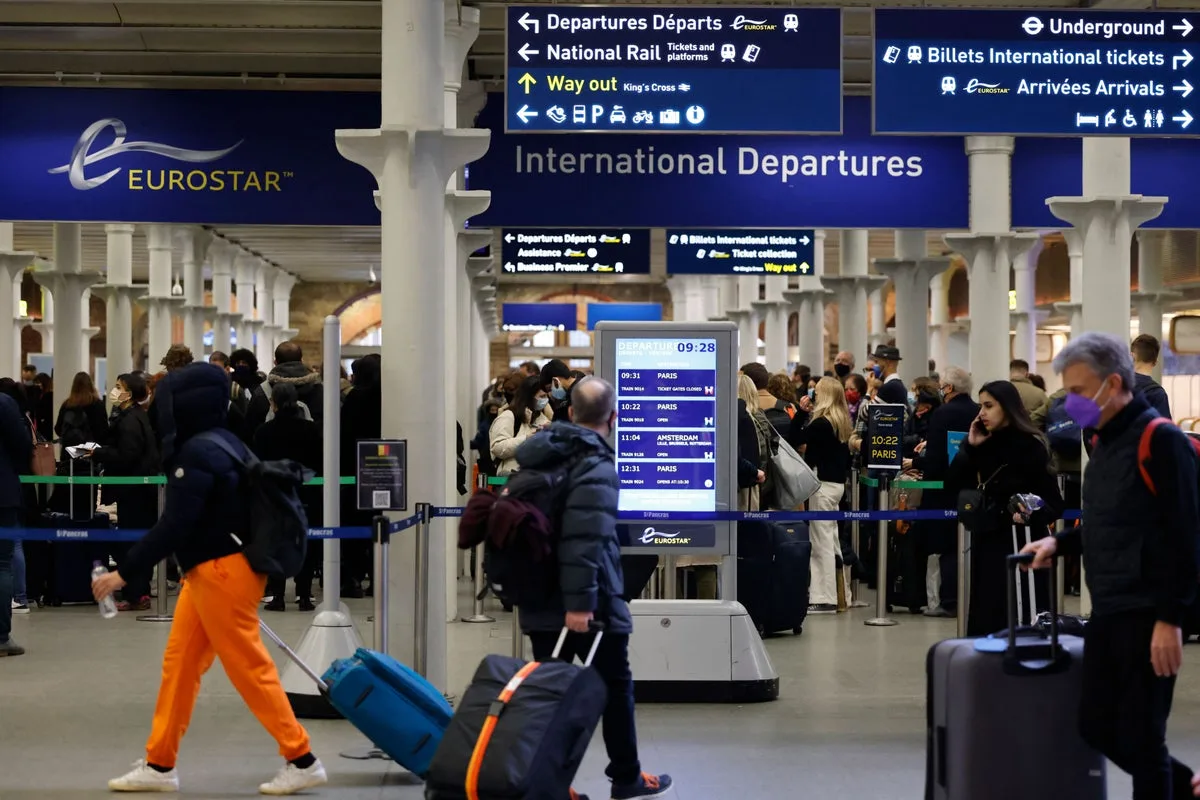
British tourists heading to the European Union this autumn will be subject to stricter border controls, including biometric checks and potential questioning about their travel plans. The new Entry/Exit System (EES), set to launch on 12 October, will require UK travellers to provide fingerprints and a facial scan when crossing an EU border.
The system will replace passport stamping for non-EU citizens and will be rolled out over six months, with full implementation by April 2026. Refusal to provide biometric data will result in denied entry. Dedicated kiosks at airports, ports, and train stations will be used for the scans.
In addition, travellers may be asked to confirm details such as proof of accommodation, sufficient funds, medical insurance, and a return or onward ticket. While these questions have been permissible since Brexit, industry bodies believe they will become more common under the new system. Luke Petherbridge of Abta noted that most checks will be automated, but those flagged may be referred to border officers.
Once registered, biometric data will be valid for three years. The UK government has warned travellers to expect potential delays during busy periods. The EU states the changes aim to enhance border security and reduce illegal migration. A separate travel authorisation system, requiring a €20 fee, is planned for 2026.




