
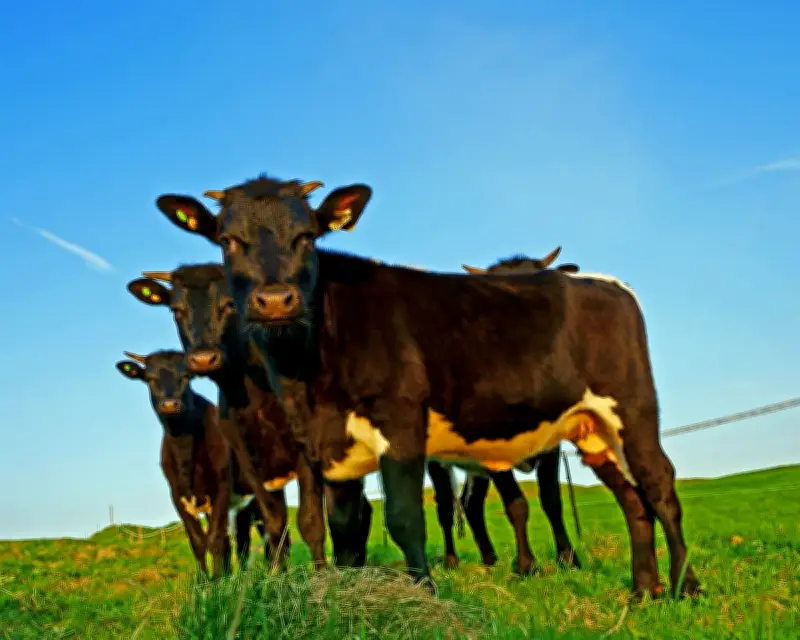
British farmers are warning that post-Brexit trade deals are causing their incomes to plummet, threatening the future of home-grown food. Liz Webster, who farms 647 hectares in Wiltshire, says about £400 per animal has been wiped off the price she can get for beef cattle, a heavy blow as input costs soar.
Impact of Australian Trade Deal
The price drop, on livestock typically fetching £2,000 to £3,000 per animal, results from a flood of cheaper meat from Australia under a new trade deal signed after Brexit. While supermarket beef prices remain stable, farmers' incomes have fallen sharply. Webster warns, "It's just inevitable that if it continues, British food will disappear, unless it's niche, appealing to a particular wealthy market."
Brexit's Cumulative Effects
A 2023 study found farmed exports to the EU fell by nearly half (47%) in quantity and 35% in value, with export variety reduced by a third. NFU analysis showed poultry exports down 38%, beef 24%, lamb 14%, and dairy 16%. Brexit has also added £7bn to UK food prices. NFU president Tom Bradshaw says, "We always warned that [the issue with Brexit] wasn't going to be the immediate impact, it was sort of a death by a thousand cuts, a slow burn."
Three Major Changes
Brexit brought three massive changes: withdrawal from the Common Agricultural Policy (CAP), new trade policies allowing imports often produced to lower standards, and trade friction with the EU. Additional challenges include environmental regulation changes, visa difficulties for seasonal workers, and increased paperwork.
Subsidy Reforms
The CAP, which paid farmers based on land area, was replaced by Environmental Land Management Schemes (ELMS) in England, aiming to reward public goods like nature protection. However, delays, revisions, and frequent ministerial changes have hindered implementation. Only about half of English farmers now receive payments, with many unable or unwilling to apply.
Trade Friction and Small Producers
Trade friction with the EU has hit small producers hard. Tom Lancaster of the Energy and Climate Intelligence Unit notes, "It's become much harder, particularly for smaller producers who can't really afford the haulage costs." Exports of seed potatoes were banned, shellfish sales suspended, and the bull semen market dried up.
Environmental Promises Unfulfilled
A Wildlife Trusts report found Brexit has not delivered the promised green benefits. Matthew Browne says, "We were promised a green Brexit, but what we got was a greyer UK." Concerns about farmers doing the minimum for subsidies led the government to close the Sustainable Farming Incentive (SFI) last year. Vicki Hird of the Royal Society of Wildlife Trusts adds, "We are importing more organic food than ever, instead of growing it – that's a bit mad."
Government Response
Farming minister Stephen Morgan says, "This Labour government is backing British farmers: cutting millions in red tape through a new EU agreement, securing a landmark £800m Gulf trade deal, and delivering a record £11.8bn farming budget." However, farmers remain skeptical, as the cumulative impact of Brexit continues to strain the sector.




