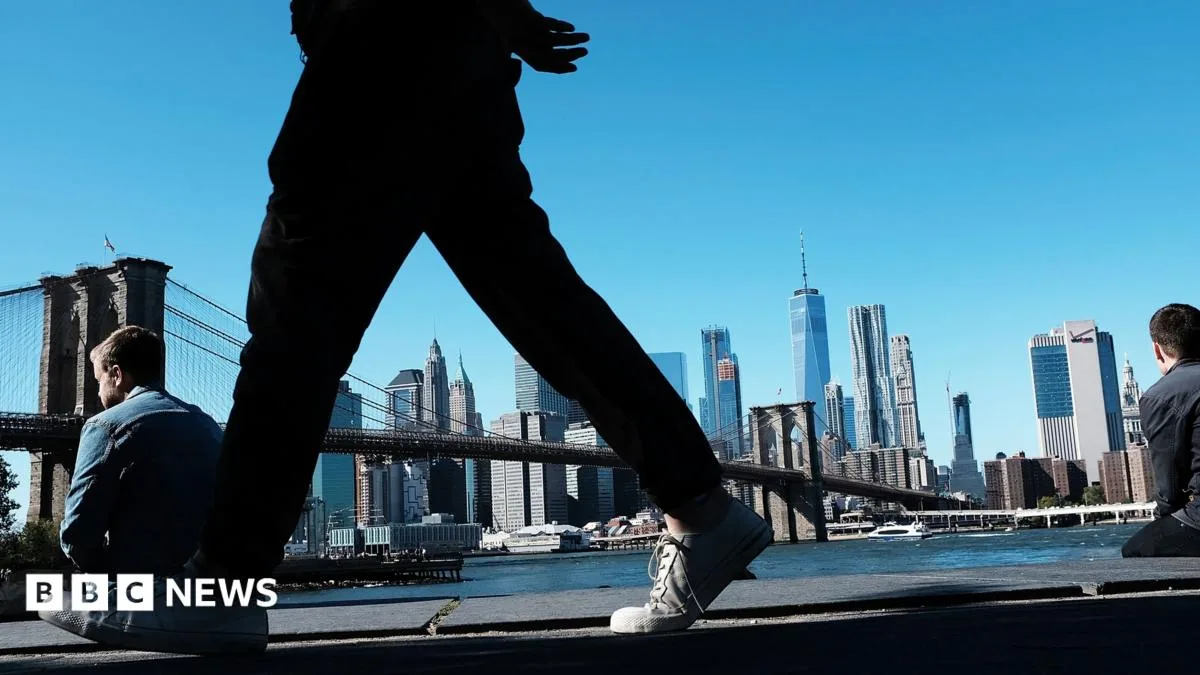
The number of international visitors to the United States fell by 4% in the first seven months of 2017, according to the US National Travel & Tourism Office. The decline has been dubbed a 'Trump slump' by some in the tourism industry, who point to the president's America First rhetoric, anti-immigrant comments, and tighter visa rules as contributing factors.
After years of steady increases, international travel to the US peaked in 2015 at 77.5 million visitors, then fell 2% in 2016. The decline accelerated in the first half of 2017, with notable drops from key markets including Mexico, the UK, and China. In contrast, visits from Canada rose by 4.6%.
Vincent Wolfington, former chair of the World Travel and Tourism Council, said: 'When people travel, they're looking for a pleasant emotional experience. The perception is it's probably too much trouble at this point in time to visit the US.' He compared the current situation to the aftermath of the 9/11 attacks, when stricter border security and the Iraq war deterred visitors.
David Tarsh, a spokesman for travel analytics firm ForwardKeys, noted that while a weaker pound may deter UK visitors, the broader decline cannot be easily linked to specific policies. 'We can't say that it is causative, but at the same time we can't see how it could be helpful,' he said. ForwardKeys expects long-haul bookings to the US to continue to lag behind the rest of the world in 2018.
The UN reported that international tourist arrivals globally rose by 7% last year, with Spain on track to overtake the US as the second most popular destination after France. The Visit US coalition, a group of travel industry bodies, described the decline as 'troubling' and urged the government to balance security with welcoming legitimate visitors. Spending by international travellers fell by 3.2%, or over $250 million, in the first ten months of 2017.