

Should You Drink Alcohol on Flights? The Travel Desk's In-Depth Debate
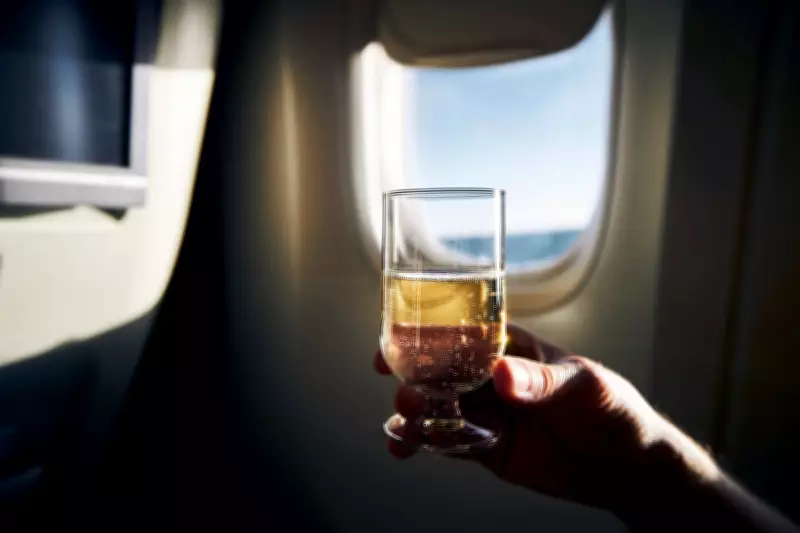
For countless holidaymakers, an overpriced glass of in-flight champagne or a miniature bottle of sauvignon blanc is seen as the quintessential way to kickstart a vacation. However, with duty-free purchases required to remain sealed, drinks served in moderation, and cabin crew empowered to cut off disruptive passengers, the practice sparks controversy. Many travellers view a post-takeoff tipple as an indispensable part of the holiday experience, yet as rowdy individuals face lifetime airline bans due to alcohol-fuelled air rage incidents, the question arises: are those half-pints in plastic cups truly worthwhile at 30,000 feet? Here, the travel desk engages in a comprehensive debate, exploring approaches from strict booze bans to necessary nightcaps.
Not Worth the Pain
Annabel Grossman, global travel editor, admits: "I love drinking on planes. Can’t get enough of it, in fact. A Wetherspoon pint or a glass of champagne before boarding perfectly hits the spot and usually induces a pleasant plane snooze." However, she highlights the aftermath: invariably waking up feeling extra dehydrated, groggy, and with a stonking headache, even after just a glass or two. Landing bleary-eyed and fuzzy-headed, then navigating an unfamiliar destination for transport, is far from ideal. While she occasionally slips up, her general rule is to avoid drinking on planes, deeming it simply not worth the discomfort.
When the Time Is Right
Simon Calder, travel correspondent of The Independent, phoned in from a pub to share his perspective. He drinks on long-haul flights if they depart between 6pm and 10pm, finding that a beer or red wine helps numb discomfort and aids sleep. Yet, he acknowledges that he shouldn't always indulge, citing a recent 13-hour flight from Santiago to Heathrow where he stuck to water despite the timing fitting his "alcohol aperture." With a full day's work ahead, he was glad to have resisted. Looking forward, he has already booked a Jakarta to Abu Dhabi flight departing at 6pm local time, planning to imbibe in moderation, underscoring the importance of timing and restraint.

When It's Free
Natalie Wilson, senior travel writer, seldom declines a "free" drink, considering those included with in-flight meal trays on long-haul journeys as such. With melatonin unavailable over the counter in the UK, a white wine helps her drift off on overnight economy flights. However, she notes a caveat: on short-haul flights with Ryanair or easyJet, where drinks require payment, she pauses to assess her finances, having occasionally turned down a £7.50 Freixenet prosecco, highlighting the financial considerations of in-flight drinking.
Never
Hayley Spencer, assistant travel editor, prefers to wait until after landing, with her happy hour beginning only once luggage is securely in her room. She'd rather save herself for an exciting new tipple in a proper glass than settle for subpar in-flight options, which are often wildly overpriced unless included. Flying solo regularly, she avoids feeling groggy or disoriented upon arrival, especially when jet lag is factored in, emphasizing safety and quality over convenience.
It's Five O'Clock Somewhere
Amelia Neath, travel writer, believes the holiday starts as soon as one leaves home, often enjoying a drink at the airport before boarding. She limits herself to one drink at the airport and one on the plane to avoid frequent trips to the claustrophobic toilet. Timing is key: perhaps pairing a gin and tonic with an in-flight meal or waiting for the last trolley call for a cold beer as sunny weather appears outside. For well-earned time off, she argues it's never too early to celebrate responsibly, blending enjoyment with moderation.
Juice If I'm Feeling Wild
Sophie Dickinson, deputy travel editor, experiences significant dehydration during flights, with her skin shriveling and thirst immediate. Consequently, she never drinks alcohol on board, even if offered free bubbly by kindly cabin crew. Opting for water or, if feeling adventurous, juice, she prioritizes hydration over indulgence, highlighting the physiological impacts of flying that make alcohol consumption less appealing for some.

This debate reveals a spectrum of opinions, from those who see in-flight drinking as a festive ritual to others who avoid it due to health, financial, or practical reasons. Ultimately, the best approach depends on individual preferences and circumstances, with moderation and responsibility being key themes across all perspectives.





