Sambusa Food in Minneapolis: A Culinary Hub for the Somali Community
In the heart of Minneapolis, Sambusa Food has emerged as a significant culinary and cultural center for the city's Somali population. This establishment not only provides authentic Somali dishes but also plays a crucial role in preserving and sharing Somali heritage in the United States. The restaurant's popularity highlights the growing influence of Somali culture in Minneapolis, contributing to the city's diverse food scene.
Traditional Cuisine and Cultural Significance
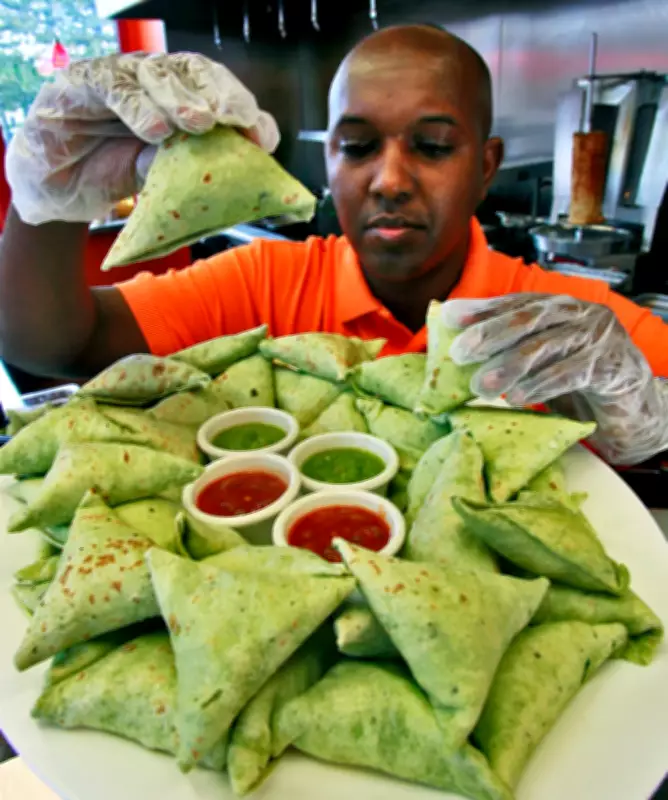
Sambusa Food specializes in traditional Somali cuisine, with sambusas—a type of fried pastry filled with spiced meat or vegetables—being a standout offering. These dishes are deeply rooted in Somali culinary traditions, passed down through generations. The restaurant's menu includes other staples such as rice dishes, stews, and grilled meats, all prepared using authentic recipes and ingredients. By serving these meals, Sambusa Food helps maintain cultural practices and offers a taste of home for Somali immigrants and their families.
The importance of Sambusa Food extends beyond food, as it serves as a gathering place for the Somali community. It fosters social connections, provides a space for cultural events, and supports local Somali-owned businesses. This role is particularly vital in a city like Minneapolis, which has one of the largest Somali populations in the United States. The restaurant's success reflects the community's resilience and its efforts to integrate while preserving its identity.

Impact on Minneapolis and Broader Implications
Sambusa Food's presence in Minneapolis has broader implications for the city's economy and social fabric. It attracts customers from diverse backgrounds, promoting cross-cultural understanding and appreciation. The restaurant also contributes to local employment, often hiring within the Somali community, which supports economic empowerment. Additionally, it highlights the role of immigrant-owned businesses in enriching American urban landscapes.
Despite its positive impact, the restaurant and the Somali community face challenges, including navigating immigration policies and cultural assimilation. However, establishments like Sambusa Food demonstrate how food can bridge gaps and build stronger, more inclusive communities. Their story underscores the value of cultural diversity in shaping vibrant cities.
In summary, Sambusa Food in Minneapolis is more than just a restaurant; it is a cornerstone of the Somali community, offering traditional cuisine and fostering cultural pride. Its success illustrates the power of food to connect people and preserve heritage in a multicultural society.