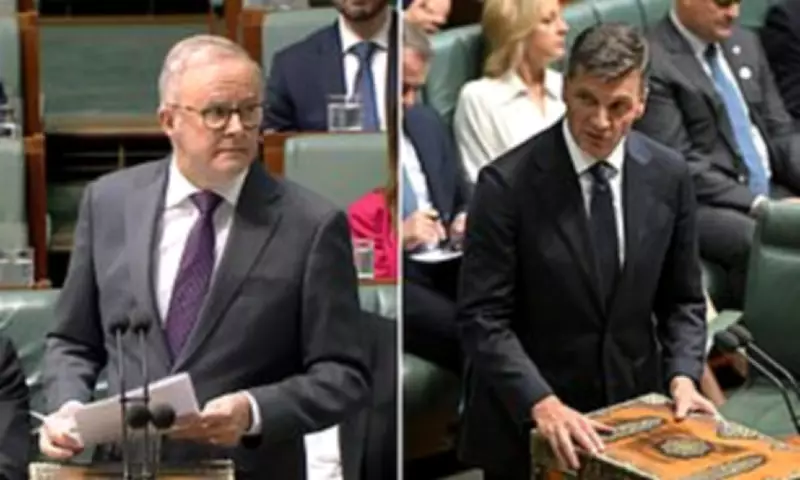
Members of Parliament are prohibited from calling each other liars in the House of Commons, a rule rooted in parliamentary etiquette and procedure. The practice is outlined in Erskine May, the authoritative guide on parliamentary procedure, which states that “good temper and moderation are the characteristics of parliamentary language.” Objection has been taken to words that are insulting, coarse, or abusive, as well as to imputations of false motives, charges of lying, or misrepresentation of another member’s words.
The Speaker of the House has the authority to direct a Member who uses unparliamentary language to withdraw it. If a Member refuses, they may be required to withdraw from the Chamber or be formally named. Over the years, Speakers have objected to words such as blackguard, coward, git, guttersnipe, hooligan, rat, swine, stoolpigeon, and traitor.
Members sometimes employ creative circumventions. For instance, Winston Churchill famously substituted “terminological inexactitude” for “lie,” though this phrase was intended to accuse opponents of exaggeration rather than outright lying. Another anecdote involves Benjamin Disraeli, who, when instructed to withdraw his allegation that half the cabinet were knaves, asserted that half the cabinet were not knaves.
Parliament has its own version of the English language, where words take on different meanings. “Liar” can be translated into Parliamentese as “Right honourable Gentleman / Member for…” or “My honourable friend.” One sergeant-at-arms reportedly explained that if MPs were allowed to call each other liars, they would do nothing else all day and accomplish even less work.