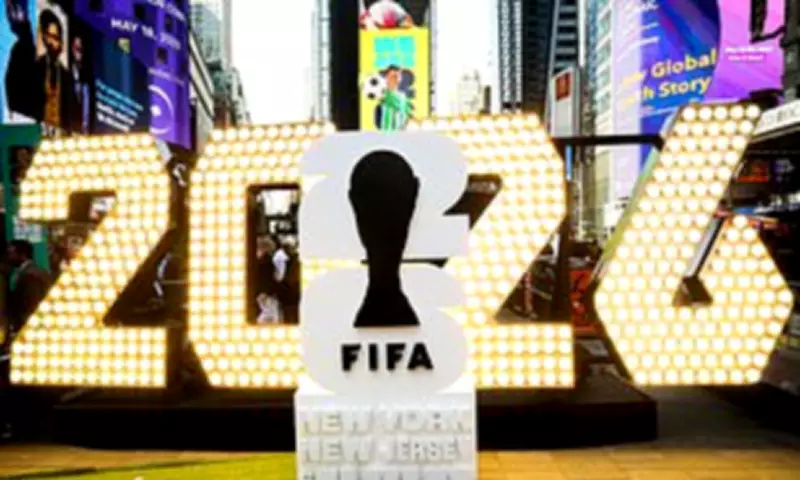
New York's World Cup Accommodation Plans Descend into Chaos
New York's preparations to host football fans for this summer's World Cup have been thrown into disarray, following Mayor Zohran Mamdani's refusal to lift the city's stringent ban on Airbnb rentals. Compounding the crisis, hotel workers are now threatening to strike during the tournament, creating a perfect storm that could leave thousands of visitors stranded.
Imminent Tournament and Critical Host Role
The World Cup is scheduled to kick off in just twelve weeks, with the opening match in Mexico on June 11th. New York's MetLife Stadium is set to be a central venue, hosting eight crucial matches, including the highly anticipated final on July 19th. However, British fans and other international travellers heading to the Big Apple may find their carefully laid plans completely upended.
Dual Threats: Hotel Strikes and Rental Restrictions
The Hotel and Gaming Trades Council, representing workers across New York and Northern New Jersey, has issued a stark warning. If ongoing contract negotiations with the NYC hotel industry fail, tourists could face "strikes, pickets, and lockouts" at numerous hotels throughout the tournament. This industrial action threat coincides with the continued effective prohibition of Airbnb, one of the world's largest holiday rental platforms, due to New York's rigorous short-term rental regulations.

Enacted in 2023, Local Law 18 (LL18) has made it exceptionally difficult for property owners to rent out their homes for periods shorter than thirty days. Consequently, holiday lets in the city's five boroughs, including famed tourist districts, have become scarce. The law mandates that all rentals must be registered with the city, and platforms cannot legally process payments for unregistered properties. Furthermore, hosts must be present during stays, with a maximum of only two guests permitted in owner-occupied rentals.
Mayor's Stance and Legislative Blockade
Despite the looming accommodation catastrophe, hopes for a temporary regulatory relaxation were dashed this week. Mayor Mamdani, a self-professed football superfan elected in November, aligned with a coalition of City Council committee chairs to block a proposed bill. This legislation would have allowed homes to be rented to up to four people during the World Cup, a slight easing from current single-family restrictions.
A letter from the coalition, published by the New York Post, unequivocally stated, "We want to make it clear: this is not a proposal that we will entertain." Mayor Mamdani's administration echoed this position. City Hall spokesperson Cassio Mendoza released a statement affirming, "The Mamdani Administration is excited to welcome visitors from all over the world to enjoy our city and the World Cup. But we will not do so at the expense of working-class families."
Economic and Political Context
Mayor Mamdani has been a long-standing critic of Airbnb, arguing throughout his election campaign that the platform exacerbates housing affordability issues for New York residents by driving up rental costs. The average hotel room in New York cost approximately £318 per night in 2024, making self-catering options traditionally vital for budget-conscious travellers, especially families.
In September, Airbnb invested £765,000 in a campaign criticising mayoral candidates, including Mamdani, for their positions. Michael Blaustein, spokesperson for the supporting Super PAC, contended, "These candidates continue to promote a false narrative blaming hosts for the housing crisis, despite evidence to the contrary."
New York remains America's most visited city, welcoming 65 million visitors in 2024 and generating around £60 billion for the city and state economy. The World Cup, shared across 11 US cities including Atlanta, Boston, Dallas, and Los Angeles, over five weeks from June to July, represents a significant economic opportunity now under threat.
With the tournament fast approaching, the convergence of a steadfast Airbnb ban and potential hotel worker strikes presents a severe logistical challenge. The situation underscores a deep conflict between promoting tourism and protecting local housing, leaving football fans facing uncertainty and potential accommodation shortages in one of the world's premier host cities.