London Tube Strikes: RMT to Walk Out Over Four-Day Week Plans
London Tube Strikes: RMT Walk Out Over Four-Day Week

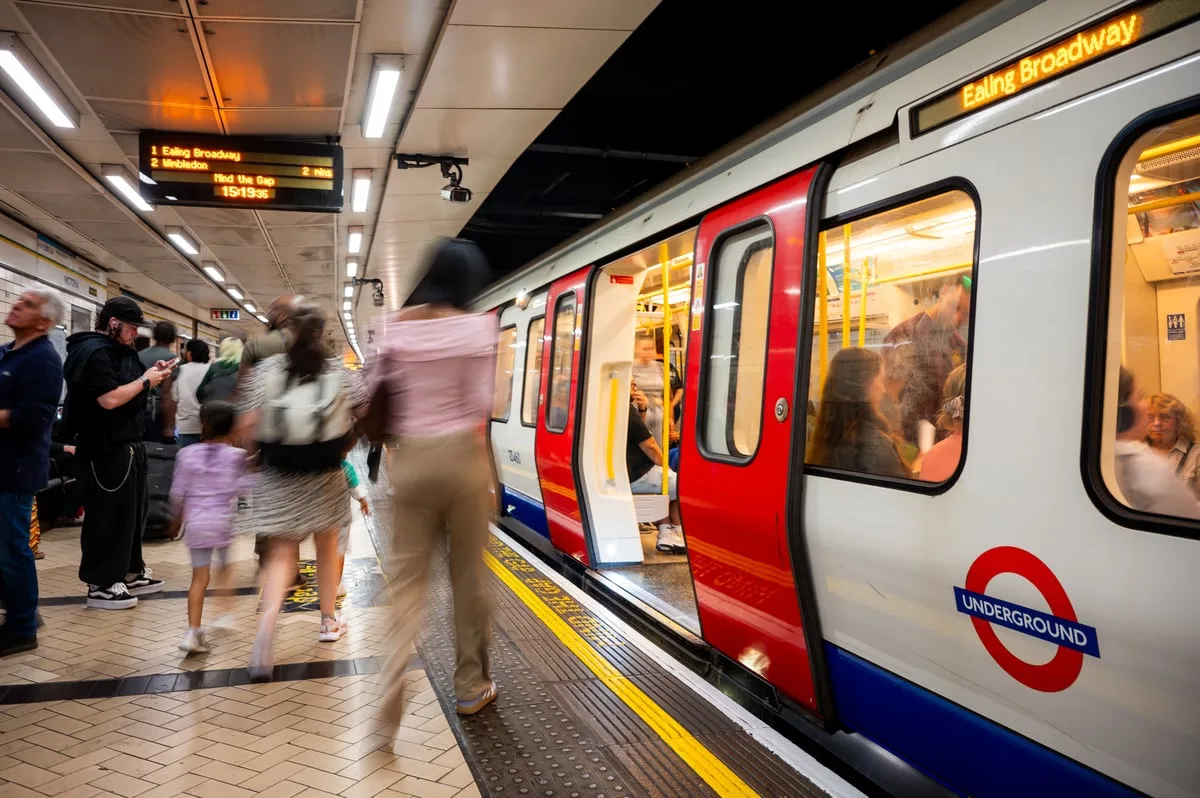
Two 24-hour London Underground strikes are set to cause further travel disruption across the capital this week, as workers prepare to walk out again over proposals for a four-day working week. Members of the Rail, Maritime and Transport union (RMT) have announced industrial action for all of Tuesday and again on Thursday, threatening significant disruption to Tube services.

Last-Ditch Talks

Talks will be held on Monday in a final attempt to avert the strikes, which stem from disagreements over the new shorter working week. The RMT has voiced opposition to the plans. Transport for London (TfL) has advised passengers to check before travelling if the strikes proceed, warning of disruption before, during, and after the action. The conciliation service Acas will facilitate Monday's discussions between the RMT and TfL. Notably, the drivers' union Aslef has already accepted the new arrangements.

Union Concerns

An RMT source insisted that Tube drivers have 'very real' concerns about spending longer hours in the cab, leading to increased fatigue, reduced flexibility around shifts, and potential impacts on a safety-critical role where 'safety has to come first'. TfL, which hopes to run at least half of Tube services on strike days, has stated it would never compromise safety, emphasising that the new shift system is voluntary.

Wide Pickt banner — collaborative shopping lists app for Telegram, phone mockup with grocery list

Service Disruptions

The Circle and Piccadilly lines will be suspended entirely, as will the Metropolitan line between Baker Street and Aldgate, and the Central line between White City and Liverpool Street. Services will start late and finish early, with no service before 6:30am or after 9pm. Some disruption is also expected on the mornings of Wednesday and Friday. London Overground, Elizabeth line, Docklands Light Railway, buses, and trams will continue operating during strike periods but are expected to be significantly busier.

TfL Statement

Claire Mann, TfL's chief operating officer, expressed disappointment at the RMT's decision to continue with industrial action. 'We still believe that the points they have raised can be worked out in time, through more detailed discussions, and we are continuing to talk to the union's representatives to find a way to avoid disruption to London,' she said. Mann added: 'Our proposals are, and have always been, clear. The completely voluntary four-day week has been designed to improve work-life balance, and any of our Tube drivers who do not wish to take up the new proposed way of working and associated changes to working arrangements can remain on a five-day working pattern. A significant number of drivers have indicated that they want us to progress plans for the pilot of this new working pattern on the Bakerloo line, bringing benefits both for our colleagues and our customers. We urge the RMT to work with us so we can resolve this dispute. In the meantime, we are asking customers to check before they travel and allow plenty of extra time for their journeys.'

RMT Response

An RMT spokesperson said: 'Our members have raised serious concerns around fatigue, longer shifts, reduced flexibility, and the impact these proposals could have in a safety-critical role. RMT remains available for meaningful talks, but London Underground cannot push ahead with changes to drivers' working conditions while refusing to properly address legitimate safety and workplace concerns.' The strikes are officially scheduled from 0:01am to 11:59pm on Tuesday and again on Thursday.

Previous Strikes

The RMT held its last Tube strike during the week of April 20, during which TfL ran around half of all services. TfL reported that on each day of that industrial action, more than half of normal demand was observed on the Tube, while on Friday April 24, the final day, the network saw 94% of normal demand. Another RMT strike planned for May 18 was called off at the last minute after the union claimed TfL had 'shifted its position', allowing it to 'explore our members' concerns' about new rosters.

Pickt after-article banner — collaborative shopping lists app with family illustration

Broader Context

Last week, the Daily Mail revealed that militant union barons were plotting a 'winter of discontent' in a bid to secure inflation-busting pay hikes. Union sources indicated that barons were gearing up for national action that could shut down hospitals, schools, and railways, following Labour's easing of strike-calling rules. The RMT is threatening a UK-wide strike campaign to achieve above-inflation pay rises, though no ballots are expected until after the summer. Eddie Dempsey, the union's boss, wrote to all members in April demanding blanket pay rises higher than the retail price index (RPI) level of inflation, with no strings attached. At the time, RPI was over 4%, while the consumer price index (CPI) was 3.3%. CPI has since dropped to 2.8%, but experts predict it could rise above 4% again later this year.