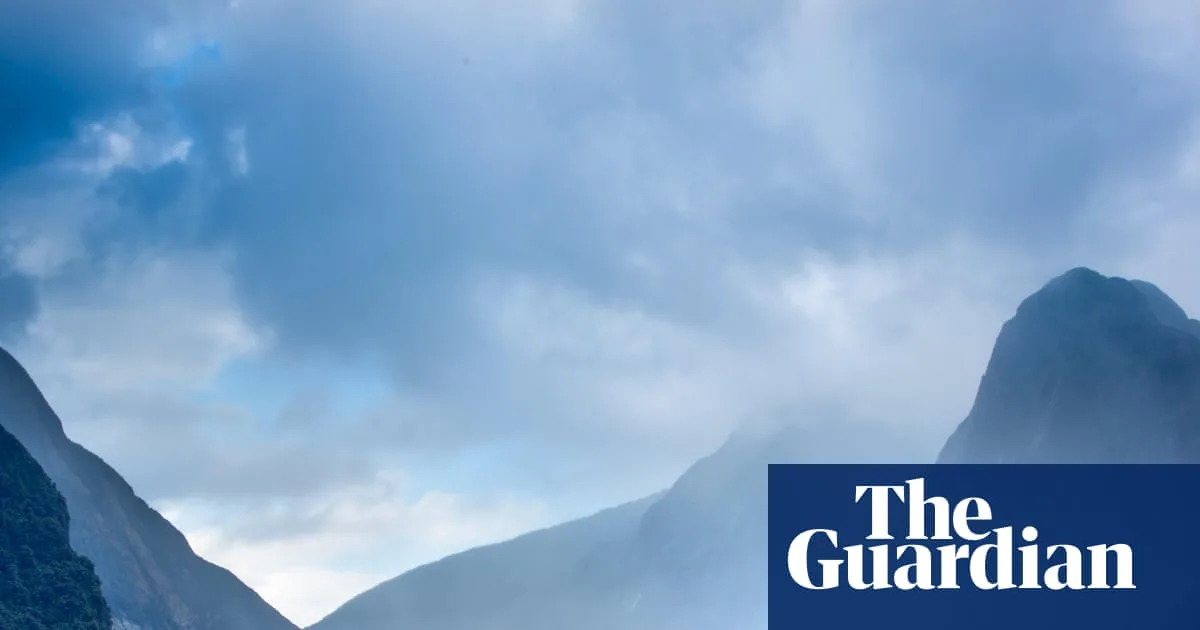
New Zealand has announced plans to introduce fees for international tourists visiting some of its most famous natural attractions, as part of a broader overhaul of conservation laws aimed at boosting economic growth. The government intends to charge foreign visitors between NZ$20 and NZ$40 per person to access certain sites, with initial locations likely including Cathedral Cove, Tongariro Crossing, Milford Sound, and Aoraki Mount Cook. The fees are expected to be implemented from 2027.
Conservation Minister Tama Potaka stated that the charges could generate NZ$62 million annually, which would be reinvested into maintaining the sites that underpin New Zealand's tourism sector. The announcement is part of a wider shake-up of conservation law that will also make it easier to sell or exchange conservation land and allow more activities to proceed without a permit.
Prime Minister Christopher Luxon said the government aims to 'unleash a fresh wave of concessions' in tourism, agriculture, and infrastructure, in a bid to create jobs and boost growth. Conservation land, which makes up a third of New Zealand's territory, includes areas of biodiversity, historic, or cultural value. While some businesses already operate on such land, Luxon noted that many others have struggled to gain permission.
Critics, however, have condemned the plans, warning they could harm the environment and vulnerable species. New Zealand has high rates of endemic biodiversity, but many species are threatened or at risk of extinction. Green Party co-leader Chlöe Swarbrick accused Luxon of prioritising profit over nature protection. Nicola Toki, chief executive of Forest & Bird, described the reforms as 'the most significant weakening of conservation law in a generation', shifting focus from protection to exploitation.