Unesco has announced 26 new World Heritage sites for 2025, following the organisation's 47th session held in Paris from 6 to 16 July. The list includes cultural, natural and mixed properties, spanning Bavarian palaces in Germany, ancient rock art in Australia and a river canyon in Brazil.
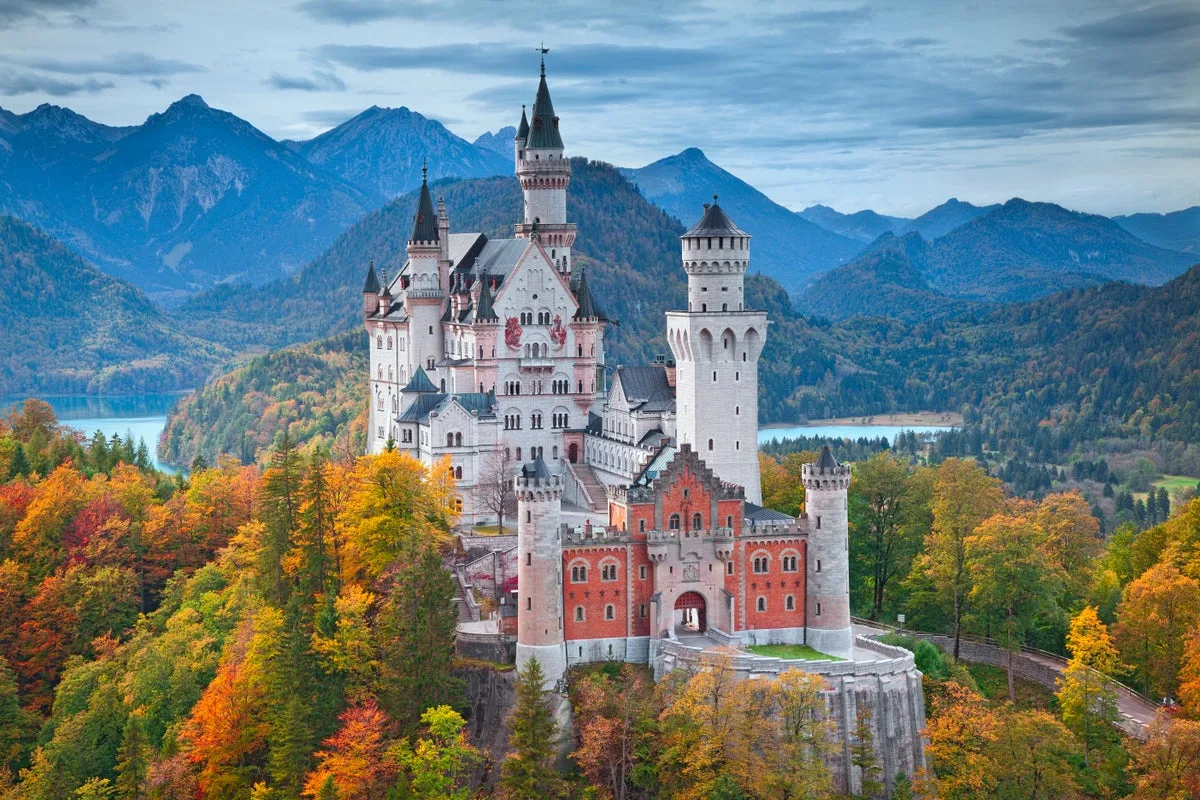
Among the cultural additions are the Palaces of King Ludwig II of Bavaria – Neuschwanstein, Linderhof, Schachen and Herrenchiemsee. Built between 1864 and 1886, they are said to reflect the romantic and eclectic spirit of the era, showcasing historicist styles and advanced 19th-century techniques. Other European sites include the Minoan Palatial Centres in Greece, the Megaliths of Carnac and the shores of Morbihan in France, the Funerary Tradition in the Prehistory of Sardinia, and Denmark's Møns Klint chalk cliffs.
In Asia, the Maratha Military Landscapes of India were recognised for their role in the Marathas' rise as a major political and military force. China's Xixia Imperial Tombs, comprising nine imperial mausoleums and 271 subordinate tombs, were also added, reflecting the Xixia dynasty's religious and socio-political legacy. Australia's Murujuga landscape, with over 50,000 years of continuous care and use, gained status for its profound cultural and spiritual significance.
Natural properties inscribed this year include the Bijagós Archipelago in Guinea-Bissau, home to endangered Green and Leatherback turtles, and Brazil's Peruaçu River Canyon, which supports more than 2,000 plant and animal species. Mount Kumgang in the Democratic People's Republic of Korea is the only mixed cultural-natural site, noted for its granite peaks and three active Buddhist temples.
From 32 nominations, Unesco granted World Heritage status to 21 cultural, four natural and one mixed property. With the new additions, the World Heritage List now comprises 1,248 locations worldwide.