Induction Hobs vs Gas Hobs: A Comprehensive Comparison Reveals a Clear Victor
If you are planning a kitchen upgrade and find yourself deliberating between an induction hob and a traditional gas model, industry experts have delivered a definitive verdict. According to product specialists at Which?, one option emerges as the superior choice across four essential categories, making the decision clearer for homeowners seeking the best cooking solution.
Understanding the Fundamental Differences
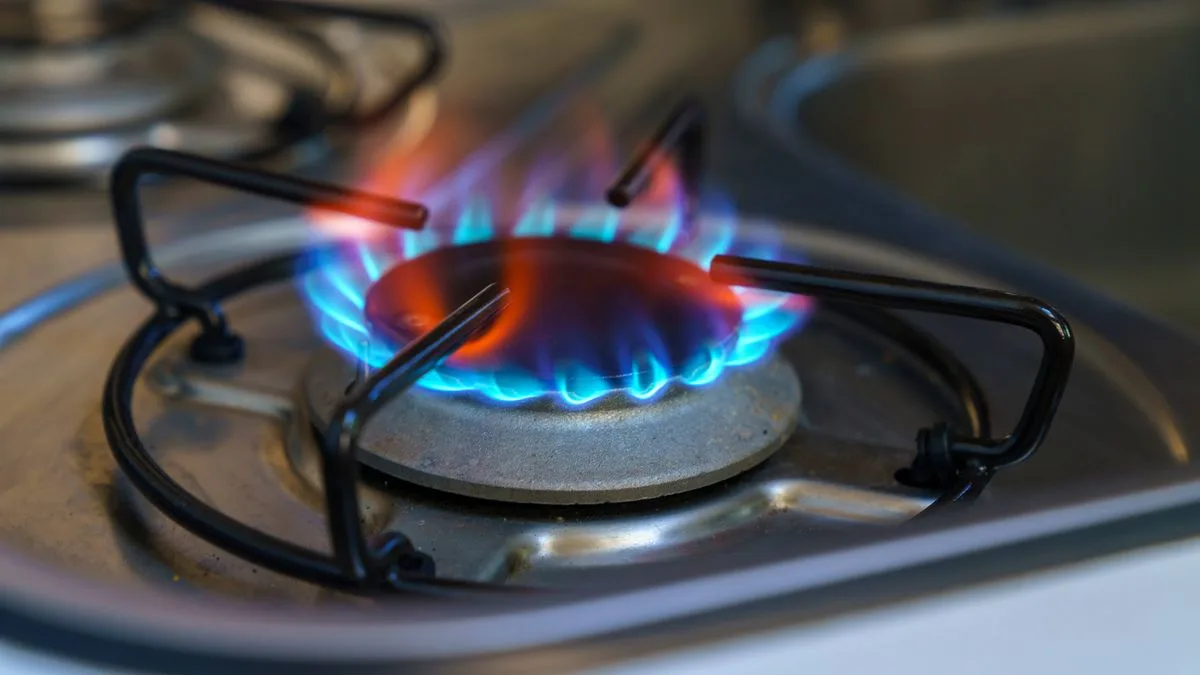
Induction hobs represent a modern, energy-efficient electric cooking surface that utilises electromagnetism to heat pans directly, bypassing the need to warm the hob's surface itself. In contrast, gas hobs rely on natural gas to produce visible flames for cooking. This fundamental distinction underpins the performance gaps highlighted by experts, with induction technology offering distinct advantages that cater to contemporary lifestyle demands.
The Four Key Areas Where Induction Excels
1. Speed: Unmatched Cooking Velocity
Which? specialists assert that induction hobs frequently demonstrate significantly faster heating times compared to their gas counterparts. Certain induction models can boil water at speeds rivaling traditional kettles, drastically reducing meal preparation time. Jamie Darlow, a senior researcher at Which?, elaborated in a TikTok video, stating, "The quickest induction hobs we've tested boil water as fast as some kettles. That's three times faster than the fastest gas models we've ever tested." This rapid heating capability means less waiting for pasta or rice to cook, allowing you to enjoy your meals sooner.
2. Efficiency: Superior Energy Conservation
Induction hobs outperform gas alternatives in energy efficiency. Gas models waste considerable heat around the edges of pans due to the gap between the naked flames and the cookware. Induction technology eliminates this issue by transferring thermal energy directly into the pan's base, ensuring no heat escapes during cooking. Jamie highlighted that this makes induction "the much more sustainable choice for the long haul," despite gas currently being more economical to operate in some regions.
3. Cleaning: Effortless Maintenance
Gas hob owners are familiar with the tedious cleaning process, which involves meticulously scrubbing around protruding components to avoid dislodging them and risking malfunction. Induction hobs eliminate this hassle entirely with their completely flat surfaces, allowing for simple wiping with a microfibre cloth or gentle sponge. This design not only saves time but also helps maintain a scratch-free appearance, enhancing the hob's longevity and aesthetic appeal.
4. Safety: Enhanced Household Protection
Induction hobs offer significantly greater safety compared to gas models. Gas hobs can compromise indoor air quality and pose hazards, especially in homes with young children due to exposed flames. Jamie explained, "Induction hobs have no flame and stay cooler to the touch, giving you peace of mind." However, it is crucial to note that induction surfaces can become extremely hot during use, and their flat design might mistakenly appear suitable as additional worktop space. This should only be considered once the hob has completely cooled down to prevent accidents.
Important Considerations for Specific Users
Individuals fitted with pacemakers must exercise extreme caution when using induction hobs. These compact electrical devices control heart rhythm, and electromagnetic fields generated by induction hobs can potentially disrupt their function. Dr Mike Knapton from the British Heart Foundation advised, "Induction hobs do generate electromagnetic fields, so keep a distance of at least 60cm (2ft) between the stovetop and your pacemaker. Most people should be able to use a hob if they follow these precautions, but if you are choosing a new cooker, it may be easier to pick one that is not an induction hob." For further guidance, consulting the British Heart Foundation website is recommended.
In summary, while both induction and gas hobs have their merits, induction technology clearly leads in speed, efficiency, cleaning ease, and safety. This makes it an ideal choice for modern kitchens, particularly for those prioritising sustainability and convenience. As you plan your kitchen upgrade, weighing these factors can help ensure you select the hob that best aligns with your cooking habits and household needs.