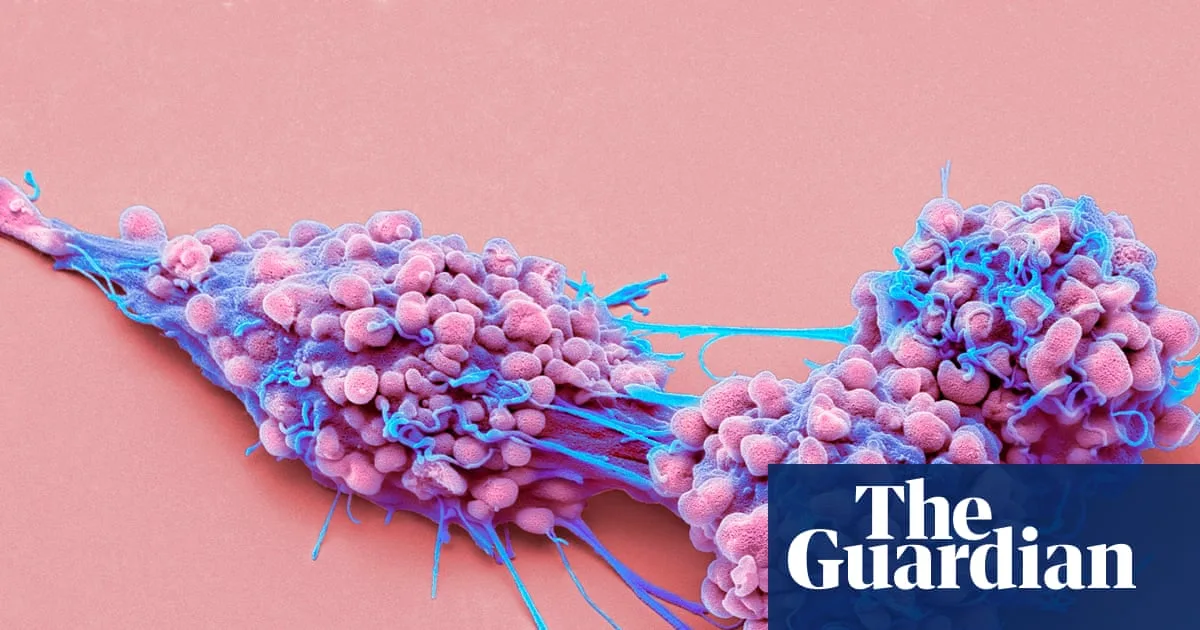
Doctors have hailed a 'milestone' moment in ovarian cancer treatment after a new drug, mirvetuximab soravtansine (also known as Elahere), was made available on the NHS today. The targeted therapy offers patients with advanced, platinum-resistant ovarian cancer precious extra months of life, with overall survival improved by 30 per cent.
A Breakthrough After Two Decades
Ovarian cancer is on the rise in the UK, with 7,700 women diagnosed every year. Around 60 per cent of these will die from their cancer, and two thirds of cases are detected at an advanced stage, leaving patients with few options beyond aggressive chemotherapy which eventually stops working. Historically, the only option for these patients has been palliative care.
Now, Elahere has been shown to give these women an average of four extra months to live, delaying cancer progression and prolonging survival from 12.8 months to 16.5 months. More than a third of patients also saw their tumours shrink by at least 30 per cent, compared to just 16 per cent with chemotherapy.
Dr Rowan Miller, a consultant oncologist at University College London, said: 'These patients are in a really tricky situation, with a historically really poor prognosis that nothing has been shown to improve. With this drug you're increasing their survival by 30 per cent and giving them a treatment that's tolerable, so for this group of patients it's a significant milestone. We haven't seen any improvements in this field in over 20 years and to get it available on the NHS is amazing.'
How the Treatment Works
Mirvetuximab is a FRα-directed antibody–drug conjugate, which acts like a 'Trojan horse' to seek out cancer cells and deliver chemotherapy directly into them. This precise targeting results in far fewer side effects compared to standard chemotherapy. The most common side effect was blurred vision, which was reversible and managed with eye-drops.
Dr Miller added: 'It's not just about the outcomes, but how treatment is tolerated. The standard for most of these patients is chemotherapy which involves coming up to the hospital every week, and is associated with hair loss, nerve damage, nausea and generally makes patients feel quite unwell. This new treatment is given every three weeks - which in itself is such a big gain in terms of quality of life.'
NHS and NICE Approval
Following a recommendation by the National Institute for Health and Care Excellence (NICE), the drug will be available for patients who have become resistant to standard treatment and whose tumours contain the FRα protein. The NHS estimates up to 400 new patients in England a year could benefit, with around 1,400 potentially eligible.
Professor Ruth Plummer, NHS national clinical lead for cancer drugs, said: 'This represents the most significant breakthrough in NHS treatment for these hard-to-treat ovarian cancers in over two decades – and we're delighted it will now offer hundreds of women much-needed hope of precious extra time with their loved ones.'
Helen Knight, director of medicines evaluation at NICE, added: 'We heard clearly from patients and clinicians about the very limited options available at this stage of the disease, and the substantial burden that chemotherapy places on women's lives. We are pleased that we are now able to recommend this treatment for NHS use.'
Patient Story: Jane's Journey
Jane, 58, from Cheshire, was one of the first women in the UK to receive Elahere. Diagnosed with stage 4 ovarian cancer in 2021, she was told she had only weeks to live. After chemotherapy and major debulking surgery, her cancer returned and became platinum-resistant. She researched emerging therapies and was accepted onto a clinical trial, receiving her first treatment on 5 May.
'I feel incredibly grateful,' she said. 'Being on this treatment has given me hope again at a time when options can feel limited.' With the drug now approved for NHS use, she says the decision represents 'fairness, consistency and real progress' for women with ovarian cancer. 'More than anything, this path has shown me what truly matters: more time, to live in the moment, look for the glimmers in every day. Being there for the people that matter. That is why access to treatments like Elahere matters so deeply — not just for me, but for every family hoping for more time together.'
Dr Miller is now urging patients with advanced ovarian cancer to speak with their oncologist to see if they may be eligible for the treatment now or in the future.






