A tragic head-on collision between two tourist trains serving Peru's iconic Machu Picchu has resulted in one fatality and left dozens of passengers injured. The accident occurred on Tuesday afternoon, casting a shadow over one of the world's most famous archaeological destinations.
Details of the Fatal Collision
The crash happened near Qoriwayrachina, an archaeological site along the rail line connecting the ancient Inca citadel with the city of Cuzco. According to the operating railway company, a train departing from Machu Picchu collided with another train travelling towards the site in the early afternoon.
The person killed was confirmed to be a railroad worker. Captain Jhonathan Castillo Gonzalez of the Cuzco police department provided this information to the Associated Press. He also confirmed that railway services along the entire line have been suspended indefinitely following the accident.

Approximately 30 passengers sustained injuries in the crash. Local media footage from the scene showed damaged train carriages with shattered windows and dented sides, stranded on a track flanked by dense forest and large rock faces.
Impact on Machu Picchu Tourism and Access
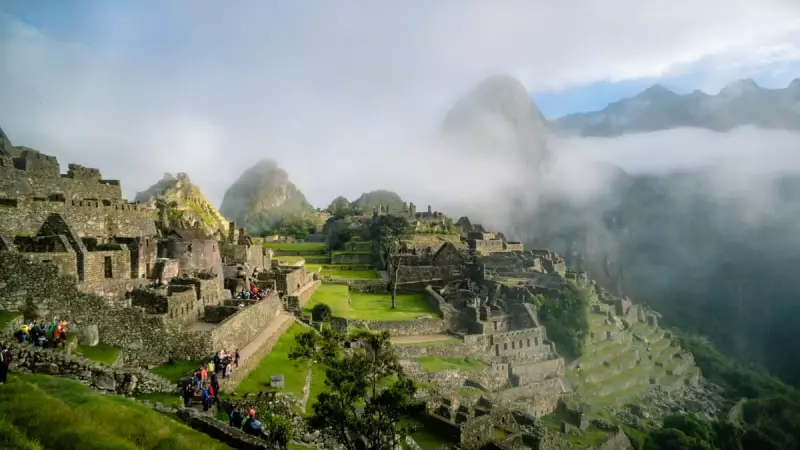
This incident strikes at the heart of Peru's vital tourism industry. Machu Picchu receives around 1.5 million visitors annually, with the vast majority arriving via train to the gateway town of Aguas Calientes.
The 15th-century Inca sanctuary, renowned for its precisely engineered stonework, has seen visitor numbers surge by roughly 25% over the last ten years. However, access has been repeatedly disrupted by political unrest and protests concerning the site's management, which have sometimes involved blockades of this crucial railway.
While the train is the primary access route, a four-day trek from the town of Ollantaytambo provides an alternative, albeit arduous, path to the ruins for some visitors.
Ongoing Investigation and Context
Authorities have not yet released specific details regarding the cause of the collision. The investigation is ongoing.
This accident follows other recent transport disruptions affecting tourists to the region, including an incident where hundreds were stranded due to rocks placed on the tracks amid protests.
The suspension of rail services presents a significant logistical challenge for tourists and operators alike, underscoring the fragility of infrastructure in remote but heavily trafficked heritage locations.