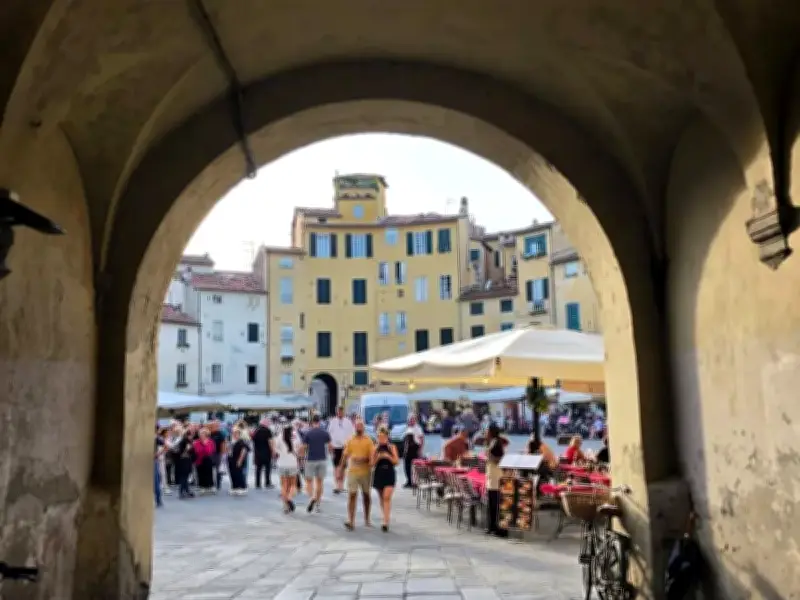
Lucca, a walled city in Tuscany, stands out as a winter destination with fewer crowds and average temperatures of 15°C in November and 12°C in December, making it an ideal alternative to Florence or Pisa.
While Florence and Pisa often dominate travel plans for Tuscany, Lucca left a lasting impression on a visitor who explored the region in late September. The city offers piazzas, rooftop views and brilliant food, all without the heavy tourist numbers typical of the more famous destinations.
Historic walls and striking piazzas
One of Lucca's most treasured landmarks is its four-kilometre circuit of Renaissance walls, built between the 16th and 17th centuries. Originally constructed for defensive purposes, the walls now serve as a tree-lined public walkway where visitors can stroll or cycle while enjoying sweeping views of the ancient city.
Piazza dell'Anfiteatro, built on the foundations of an ancient Roman amphitheatre, is another standout. The oval-shaped piazza is surrounded by vibrant buildings, cafés and eateries, providing an idyllic spot to relax. One visitor stopped for lunch and opted for boar ravioli at €9.60 (£8.07), noting the serving was modest and prices in the popular tourist area were slightly higher.
Medieval towers and cathedral sights
The medieval Torre Guinigi is among Lucca's most peculiar attractions, recognisable for the oak trees flourishing in its rooftop garden. Visitors can ascend to the top for panoramic views over the city's terracotta rooftops and the surrounding Tuscan countryside.
The Cathedral of San Martino is celebrated for its ornate Romanesque design, decorated marble frontage and collection of sacred artworks. Other significant religious sites include the Basilica of San Frediano, with its eye-catching mosaic exterior, and the Church of San Michele in Foro, located in a historic piazza at the city's centre.
Winter visits and getting there
Lucca tends to be far less crowded during winter, making it an ideal time to discover its museums, historic churches and traditional eateries. The city is well suited to exploring on foot, with the whole place coverable in half a day without relying on public transport, though a full day or longer is recommended. Visitors should be ready for chillier temperatures and a higher likelihood of rain.
The most straightforward route from the UK is to fly into Pisa, then continue by train, taxi or hire car. By car, the trip typically takes around 30 to 45 minutes depending on traffic. By train, passengers can take a service from Pisa Centrale to Lucca railway station, with the journey usually taking around 25 to 30 minutes, plus extra time to travel from the airport to Pisa Centrale. Direct return flights from London to Pisa are priced at around £31 in November and £32 in December at the time of writing.