The Transformation of Las Vegas Buffets: From Budget Eats to Luxury Experiences
Las Vegas buffets have undergone a remarkable evolution over the past eight decades, shifting dramatically from their humble beginnings as $1 all-you-can-eat offerings to today's extravagant $175 luxury dining experiences. This transformation reflects broader changes in the city's tourism industry and dining culture.
The End of an Era: Affordable Buffets Disappear
Eighty years ago, the first Las Vegas buffet opened with the Buckaroo Buffet, a western-themed establishment offering cold cuts and cheese for just one dollar. These early buffets served a specific purpose within the casino ecosystem—they didn't generate substantial profits themselves but allowed visitors to eat cheaply and quickly, freeing up more time and money for gambling on the casino floor.
Today, only about a dozen traditional buffets remain on the Las Vegas Strip, a significant reduction from their peak numbers. The COVID-19 pandemic accelerated this decline, with many establishments closing permanently as operators faced rising costs and chose not to reopen. Before its closure in 2020, the Carnival World Buffet at the Rio Hotel boasted over 300 international dishes for approximately $30, according to Las Vegas food tour guide Jim Higgins.

Other notable closures include ARIA's buffet, which was renowned for its Indian dishes and fresh-baked naan, and the Luxor's ancient Egypt-themed buffet that charged around $32, though many patrons ate for free using casino comps. These closures represent the end of an affordable dining tradition that once defined the Las Vegas experience for many visitors.
The Rise of Luxury Buffets and Alternative Dining Options
As traditional buffets have disappeared, they've been replaced by several new dining concepts: trendy food halls, celebrity chef restaurants, and most notably, luxury buffets that have become attractions in their own right. Al Mancini, a longtime Las Vegas food journalist and creator of the Neonfest food guide, attributes this shift to Las Vegas transforming into a foodie destination that demands higher quality dining experiences.
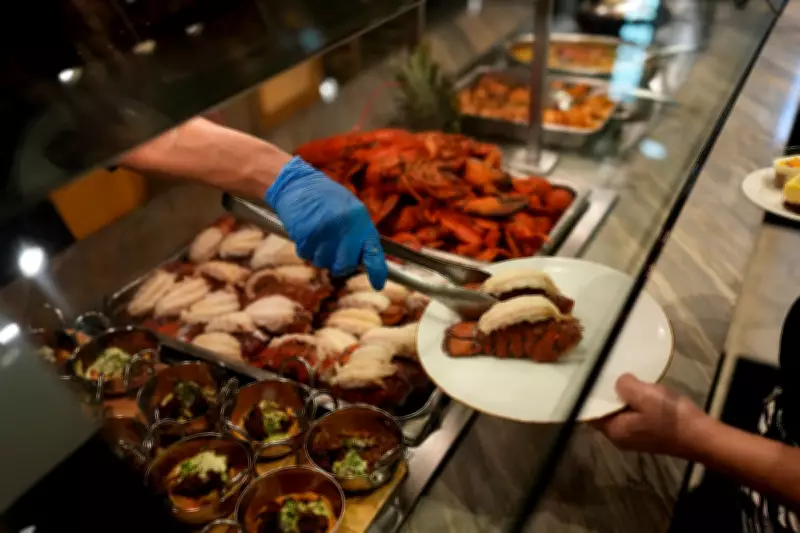
At the premium end of the spectrum, establishments like the Wynn's buffet and the Bacchanal at Caesars Palace offer what frequent visitor Jeff Gordon describes as a "grand spectacle" featuring mountains of crab legs, elaborate carving stations with prime rib and smoked brisket, and limitless drinks. These experiences come with premium price tags, with some buffets now charging $175 for access to lobster tail, caviar, and other luxury items.
The Palms' A.Y.C.E Buffet exemplifies this new approach, offering endless lobster, shrimp cocktail, sushi, snow crab legs, and specialty dishes like lobster mac 'n' cheese for $80. The experience extends beyond food to include entertainment elements like hula dancers, mariachi performances, and even a lobster mascot—creating what executive chef Marcus O'Brien describes as "almost like a circus."
Cultural Impact and Visitor Perspectives
Longtime Las Vegas visitors draw parallels between the disappearance of affordable buffets and the earlier loss of other iconic budget offerings like the 99-cent shrimp cocktail. These changes have contributed to the city's growing reputation as an increasingly expensive destination, potentially affecting tourism patterns.
Arizona resident and frequent visitor Ryan Bohac expresses nostalgia for the traditional buffet experience: "You wander in, you eat, you stuff your face, and then you stumble on out to a slot machine. It's just part of the culture, and it's sad to see that change."
History professor and Las Vegas native Michael Green recalls the era of $1.99 buffets where he would load his plate with fried chicken, corn, and desserts. He references an advertisement for the Silver Slipper's Old West-themed buffet that captured the spirit of abundance with the slogan: "Tomorrow the diet, today the great buffet."
Jeff Gordon, a regular visitor from California, believes the decline of affordable buffets may be discouraging middle-class Americans from visiting Las Vegas, potentially hurting overall tourism. He compares the loss to shopping at Costco: "You may not just buy that $1.50 hot dog, but you may be spending like $150 in Costco and other things that maybe you do need, maybe you don't need."

The Future of Buffets in Las Vegas
Despite the dramatic changes, industry experts believe buffets will remain part of the Las Vegas experience, though in evolved forms that reflect contemporary dining trends. Al Mancini notes that buffets allow visitors to "live like a king," providing what he calls a "visceral thrill" when loading plates with crab legs and other delicacies—an experience that aligns with Las Vegas's reputation as a place where visitors enjoy pretending they have more money than they do.
Jim Higgins suggests the city has simply moved on from the traditional buffet model: "It was a great option in its day. I think the city has just moved on." He notes that modern buffets have become attractions themselves, with visitors understanding they're "not going there to get deals" but rather to participate in a distinctive dining experience.
Mancini remains optimistic about the format's future: "The Las Vegas buffet will never die. They'll evolve alongside the restaurant scene around them in order to succeed." This evolution reflects Las Vegas's constant reinvention and adaptation to changing visitor expectations and economic realities.