Gulf Travel in Turmoil: Iran Conflict Forces UK Tourism Rethink
Dubai, long celebrated as a secure and luxurious escape, now finds itself on the Foreign Office's no-go list alongside Abu Dhabi in the UAE and Doha in Qatar. This unprecedented move, triggered by escalating conflict between Iran and US-Israeli forces, has left British travellers stranded and forced a rapid reassessment of global travel routes.
Stranded in Paradise: The Human Cost of Conflict
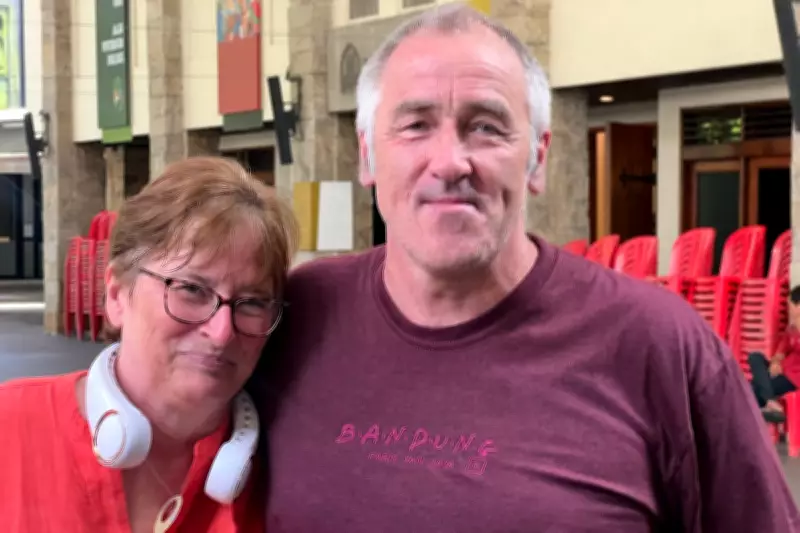
Hundreds of British tourists now face extended delays and uncertainty. Jeff and Wendy Spencer from Surrey will overstay their planned trip by 12 days before boarding a chartered flight from Sri Lanka to Stansted. Meanwhile, John and Sian Parker from North Wales remain in limbo in Jakarta, Indonesia, awaiting an Etihad flight that may finally bring them home on Tuesday after days of disrupted communications.
"We keep telling ourselves: thank God we're not in Abu Dhabi or Dubai," says Ms Parker, highlighting the precarious situation facing those caught in transit hubs suddenly deemed unsafe.

Aviation Superhighway Grinds to a Halt
The conflict has effectively closed what was previously one of the world's busiest aviation corridors. Emirates, Etihad, and Qatar Airways, which normally transport seven million passengers every fortnight through their Middle Eastern hubs, have seen their crucial connecting role for UK travellers to Asia, Australasia, and Africa come to an abrupt stop.
While commercial flights continue operating, passengers now face a dramatic "safety premium." Fares for routes avoiding Gulf connections have skyrocketed to approximately 300% of normal prices. For example, Etihad offers Melbourne to London flights for as low as £462, while alternative carriers like Shenzhen Airlines charge over three times that amount for routes bypassing the region entirely.
Economic Impact and Industry Response
The World Travel and Tourism Council estimates the conflict is costing Middle Eastern destinations at least $600 million daily in lost tourism revenue. This encompasses not just airfares and hotel bookings but also dining, shopping, and employment across the hospitality sector.
Major carriers including British Airways, Lufthansa, and Singapore Airlines have added flights from East Asia specifically to capitalize on demand from passengers seeking to avoid Middle Eastern stopovers. Julia Lo Bue-Said, CEO of the Advantage Travel Partnership, notes emerging trends: "Our travel agency partners are seeing a slowdown in demand for parts of the Eastern Mediterranean over the Easter window, particularly Cyprus, Turkey and Egypt."
Instead, British holidaymakers are redirecting to mainland Spain, the Canary Islands, Portugal, France, Greece, Italy, and Caribbean destinations, with cruising emerging as a popular alternative.
Long-Term Implications for Gulf Tourism
The timing couldn't be worse for Dubai, which until late February ranked as the world's largest international aviation hub. The UK represents its third-largest market after Saudi Arabia and India. Rapid restoration of air links is equally crucial for Britain, where Gulf carriers connect regional cities like Birmingham, Newcastle, and Glasgow to global destinations.
Travel industry experts draw parallels with previous crises in Tunisia and Egypt, where tourism bans lasted years following terrorist attacks. However, most anticipate the Gulf warning could be lifted within days of a ceasefire agreement.
Tony Wheeler, co-founder of Lonely Planet, suggests the psychological impact may linger: "There you are in your five-star hotel in Dubai, and suddenly the reception desk downstairs is taken out by an errant drone." He predicts Gulf tourism could face challenges for one to five years.
Adapting to a New Travel Reality
Steve Heapy, CEO of Jet2, reveals tour operators are already negotiating special offers for Cyprus and Turkey, anticipating a booking surge once hostilities cease. Meanwhile, airlines face longer routings due to airspace closures, likely resulting in reduced capacity and higher fares for long-haul UK travellers even after Gulf carriers resume normal operations.

As John Parker prepares for his eventual journey home via Abu Dhabi, his wife Sian captures the prevailing apprehension: "I must admit I'm a bit apprehensive, but it's something you've just got to get on with." History suggests British travellers will indeed adapt, but the Gulf's reputation as a serene haven may take considerably longer to restore.