The city of Hull, for decades a national punchline, has achieved an extraordinary feat by being named one of the world's best places to travel to in 2026. This prestigious recognition comes from National Geographic, which included Hull as the sole UK destination on its annual list, marking a dramatic turnaround for a place long saddled with a negative reputation.
From Whaling Port to Cultural Beacon
Hull's history is deeply tied to the sea. It was once a global hub for whaling, later evolving into a major fishing and shipping centre before facing a severe decline in the last century. However, as National Geographic writer Lorna Parkes notes, the past decade has seen significant revitalisation. The catalyst was its tenure as the UK City of Culture in 2017, which sparked a lasting wave of investment and creative energy.
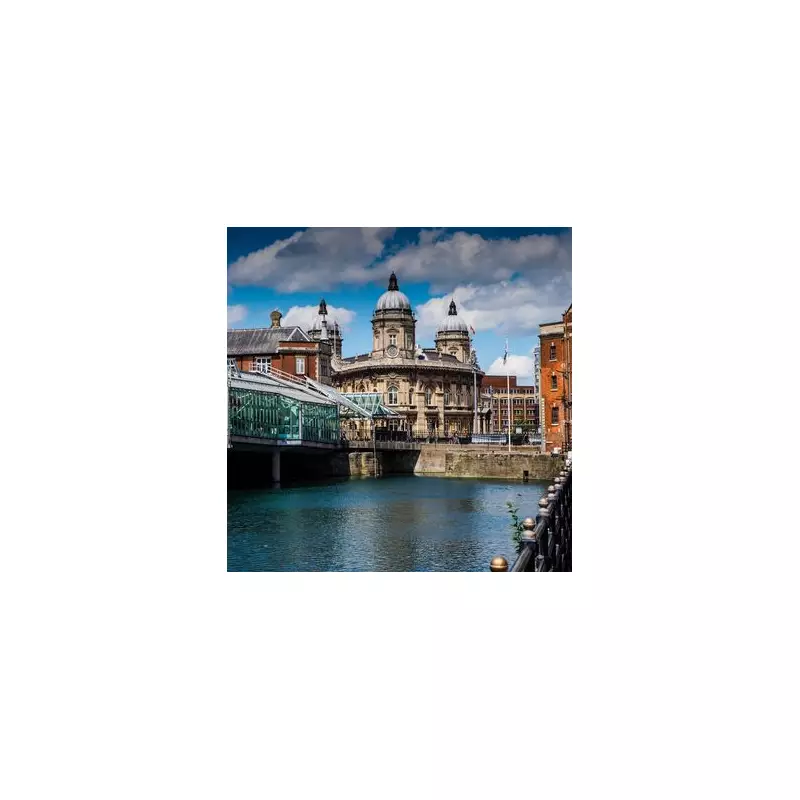
This regeneration is most visible along the waterfront. The Humber Street area, where old warehouses once stood, is now a thriving district packed with independent bars, restaurants, and art galleries. Venues like Stage@TheDock bring performance to the riverside, while The Deep – a world-class aquarium and conservation charity – remains a major draw in a rejuvenated former shipyard.

A £40 Million Nod to Maritime Heritage
The transformation is far from over. A major £40 million maritime heritage project is nearing completion, set to cement Hull's status as a must-visit cultural destination. This ambitious scheme will create a network of sites celebrating 800 years of seafaring history.
Key elements of the project include:
- The refurbished Hull Maritime Museum.
- A new visitor centre at the North End Shipyard.
- Historic museum ships like the Arctic Corsair trawler and the Spurn lightship.
These will be linked by the new Maritime Heritage Trail, weaving through the cobbled streets of the Georgian Old Town and featuring public art and green spaces inspired by the city's bond with the sea.
Winning Over Skeptics and Visitors Alike
The change in Hull's fortunes is palpable. The city's inclusion on the National Geographic list directly contradicts its former notoriety, exemplified by its infamous labelling in The Idler Book Of Cr*p Towns (2003) as "the UK’s most awful hellhole".
Today, visitors report a very different experience. Journalists like The Express's Samantha Teasdale have found themselves unexpectedly charmed by the city's warm atmosphere, vibrant street life, and striking marina. The discovery of cosy cafés, quality waterside restaurants, and a relaxed seaside ambience is steadily dismantling the old stereotypes.
Hull's story is now one of resilience and reinvention. From a port in decline to a cultural powerhouse recognised on the global stage, its journey proves that with vision and investment, a city's narrative can be rewritten for the better.