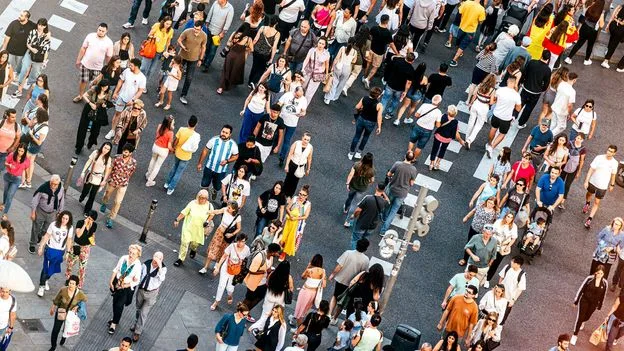
As global travel surges towards an estimated 1.8 billion arrivals by 2030, destinations worldwide are adopting increasingly assertive measures to manage overcrowding. In Japan, officials in Fujiyoshida cancelled the city's annual cherry blossom festival, which typically draws 200,000 visitors, after residents complained of littering, trespassing and tourists entering private homes. The country welcomed nearly 43 million visitors in 2025, its highest ever, prompting a range of interventions.
Neighbouring Fujikawaguchiko erected a physical barrier at a popular Mount Fuji photo spot after visitors climbed roofs and ignored safety rules. Kyoto has banned photography of geisha, restricted access to historic alleyways in Gion, and launched digital tools such as a Congestion Forecast system and a Smart Navi app providing real-time crowd updates. Its Hands Free Kyoto service offers luggage storage to reduce pressure on public transport.
“While there is no silver bullet for overtourism, we intend to continue implementing measures to protect citizens' daily lives while also ensuring visitors can enjoy a comfortable stay,” said Kousaku Ono, Kyoto’s Sustainable Tourism Promotion Division manager. Tour operators are also shifting focus to under-visited regions like Toyama and Nagasaki.
In the United States, the National Parks Service introduced a $100 (£73.67) per-person surcharge for international visitors at 11 popular parks, including Yellowstone and the Grand Canyon, from 2026. The annual America the Beautiful pass now costs $250 (£184) for non-residents, compared to $80 (£59) for US citizens. However, some experts doubt the fees will stem the tide. “The increased fees alone are unlikely to meaningfully reduce overtourism during peak season,” said Kevin Jackson of EXP Journeys.