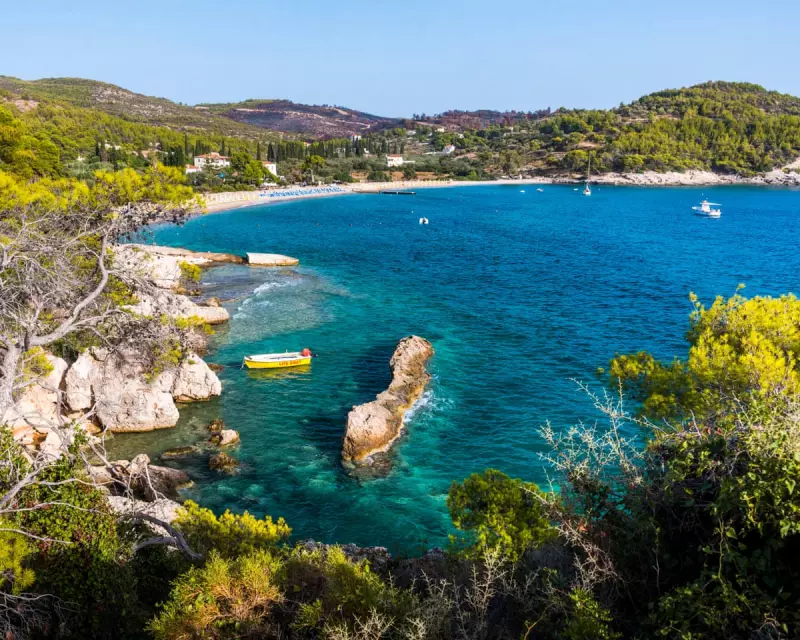
The sun-drenched islands and historic neighbourhoods of Greece are experiencing a dramatic social upheaval, transforming from local communities into an exclusive playground for the global elite. A perfect storm of remote work trends and platform tourism is creating what some are calling the 'Thailand of Europe', but this holiday dream for foreigners is a waking nightmare for many Greeks.
A Surge of Foreign Demand
Post-pandemic remote work policies and a surge in digital nomadism have triggered an unprecedented influx of foreign residents. Wealthy Europeans, Americans, and Britons are flocking to picturesque locations like Crete, Athens' city centre, and Cycladic islands, drawn by the favourable climate, lower cost of living compared to their home countries, and the romanticised 'Greek lifestyle'.
This demand has sent property prices and rents into a stratospheric climb. In some areas, rental costs have doubled or even tripled within just two years, completely decoupling from local wage structures. A report from the Greek Central Bank confirms a staggering 50% rise in short-term rental properties since 2019.
The Human Cost: Greeks Pushed to the Periphery
The impact on local communities is profound and devastating. Lifelong residents, young professionals, and families find themselves financially exiled from their own hometowns. Stories abound of tenants receiving sudden eviction notices as landlords seek higher profits from short-term lets on platforms like Airbnb and Booking.com.
'We are becoming refugees in our own country,' one Athenian resident lamented. 'The city centre is emptying of Greeks. The baker, the grocer, the kafenio – they are all disappearing, replaced by souvenir shops and trendy cafes that cater only to tourists and foreigners.'
This exodus is creating 'hollowed-out' communities where essential services struggle to find staff who can afford to live locally, threatening the very social fabric and authenticity that attracted foreigners in the first place.
Government at a Crossroads
The Greek government faces a complex dilemma. On one hand, the foreign investment and tourism revenue provide a vital boost to an economy still recovering from a severe debt crisis. The digital nomad visa scheme and favourable tax policies for foreign pensioners have been successful in attracting capital.
On the other hand, the escalating housing crisis is creating significant social tension and could undermine long-term stability. Critics argue that policy has disproportionately favoured foreign capital at the expense of citizens' basic right to housing.
Is Sustainable Coexistence Possible?
The central question now is whether a balance can be struck. Some municipalities are exploring regulatory measures, such as capping the number of short-term rental licenses or incentivising long-term leases for locals. However, enforcement remains a significant challenge.
The situation in Greece serves as a stark warning to other European nations grappling with the side effects of remote work globalization and platform economies. It highlights the urgent need for policies that protect local communities while harnessing the benefits of international mobility and investment.
The dream of living indefinitely under the Grecian sun, for now, remains a privilege reserved for the wealthy few, while many who call Greece home are left wondering if there will still be a place for them in its future.