Why Fes Emerges as Morocco's Premier Cultural Destination
Fes, frequently described as Morocco's 'second city', presents a compelling array of culture, beauty, and generous hospitality that distinguishes it from the more frequented Marrakesh. This vibrant medieval city, where meticulous dedication permeates every aspect of life, offers travellers an authentic and immersive experience far removed from the glitz of its better-known counterpart.
A City Defined by Precision and Tradition
From the intricate creation of thousand-piece mosaics, often crafted upside down and blind, to specialised souk vendors dedicating themselves solely to products like vast baskets of dates or glistening olives, Fes exemplifies a commitment to detail. Even the ritual of pouring Moroccan mint tea, with a silver kettle held high as a single crunchy sugar cube drops into the glass, reflects a culture that cherishes precision and ceremony. Here, time is invested in the beautiful, the important, and the undeniably tasty facets of existence.
Historically, Fes served as Morocco's capital until the French administration shifted it to Rabat in 1912. Today, it remains a capital of crafts and a hub of cultural, spiritual, and political stability, though it is often overshadowed by Marrakesh, which benefits from more flight routes and media coverage. However, travel platform GetYourGuide has named Fes one of 2026's 'hidden gems', signalling its rising appeal.

Navigating the Labyrinthine Medina
The UNESCO World Heritage-listed medina of Fes is a marvel in itself, with 9,000 narrow passageways, some barely the width of a person, and no cars allowed within its 14 main gates. Approximately 500,000 residents live here, and as local guide Fatah notes with pride, "There is everything you need in the medina, no need to go outside." This self-contained world offers a genuine glimpse into daily Moroccan life, where older women bustle through souks to grind almonds for Ramadan cookies, and live chickens cluck on shelves before being prepared in centrifuge-like devices.
Unlike the tourist-heavy souks of Marrakesh, Fes's markets feel authentic and unassuming; visitors are not accosted to buy items but rather integrated into the local flow. The medina's external walls may appear simple, but as Fatah explains, "Modesty and poverty on the outside, on the inside you pay attention to the beauty." This philosophy extends to the stunning mosaics and furnishings found within homes, which also serve a practical purpose by cooling interiors during summer temperatures that can reach 48°C.
Immersive Experiences: From Cooking to Craftsmanship
For those seeking hands-on engagement, Fes delivers unparalleled opportunities. Muhammad, a plaster sculptor, and his wife Jessica run a homestay within the medina, offering souk shopping and cookery classes that culminate in a traditional Moroccan feast. Participants learn to build a classic tagine, discover the potency of local honey (one tablespoon in Fes equals three in the UK), and embrace culinary wisdom like kissing one's hand before adding a pinch of salt to the pot. The experience is both therapeutic and raucous, fostering a sense of community and resulting in what locals jokingly call a 'tagine baby'.
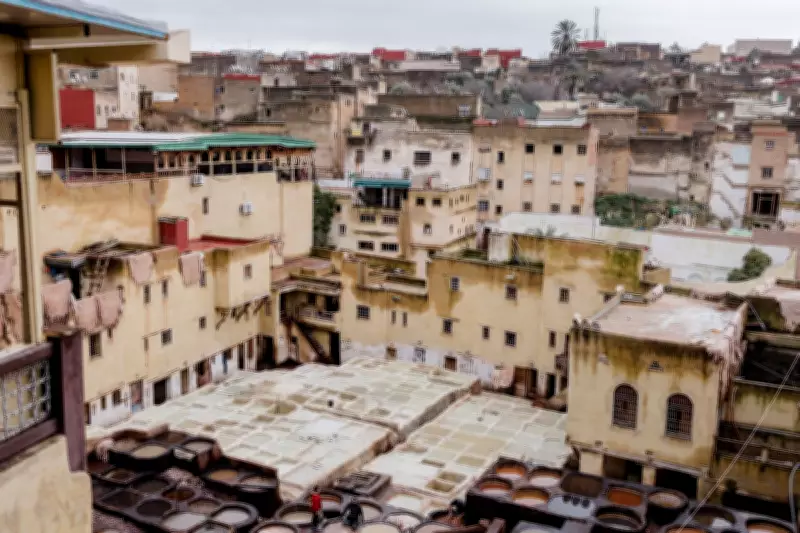
Meanwhile, at Art D'Agile, visitors can engage in the painstaking craft of mosaic-making, which Mourad, a pottery atelier guide, describes as "the most important craft unique to Fes." Craftsmen cut tiles from local clay, chiselling them into tiny shapes by hand—a methodical process requiring incredible patience and focus. Similarly, the medina's oldest tannery showcases workers who dye and pummel animal skins in vats, enduring intense smells for three to four-hour days. These crafts highlight the city's dedication to preserving traditional techniques amidst modern tourism.
Seasonal Charms and Practical Considerations
Fes's primary tourism season runs from February to May, a shorter window than Marrakesh's, but this period can yield unexpected delights. During a recent visit in mid-February, unseasonably chilly weather and grey skies contrasted with the typical 18°C expectations, yet the surrounding countryside appeared unusually green and lush. Fatah remarked that he hadn't seen such verdant hills since his childhood, noting, "Spring was only a month last year," alluding to the region's rapid heat spikes.

Accommodation options like Riad El Kadi/La Maison Bleue offer traditional riad experiences with courtyards open to usually blue skies, though occasional rain may require outdoor heaters. For those planning a visit, return flights with Ryanair from London Stansted to Fes start from £140, while deluxe rooms at Riad El Kadi/La Maison Bleue begin at 2500 MAD (£201) per night. Experiences booked through GetYourGuide include pottery workshops with guided tours (£35 per person), Fes souk tours with traditional home cooking classes (£48 per person), and guided city tours (£13 per person for 3.5 hours).
In essence, Fes stands as a testament to Morocco's rich heritage, offering a depth of culture and authenticity that crowded Marrakesh often lacks. Its blend of meticulous craftsmanship, vibrant medina life, and warm hospitality ensures that every moment spent here is not merely passed but profoundly invested.