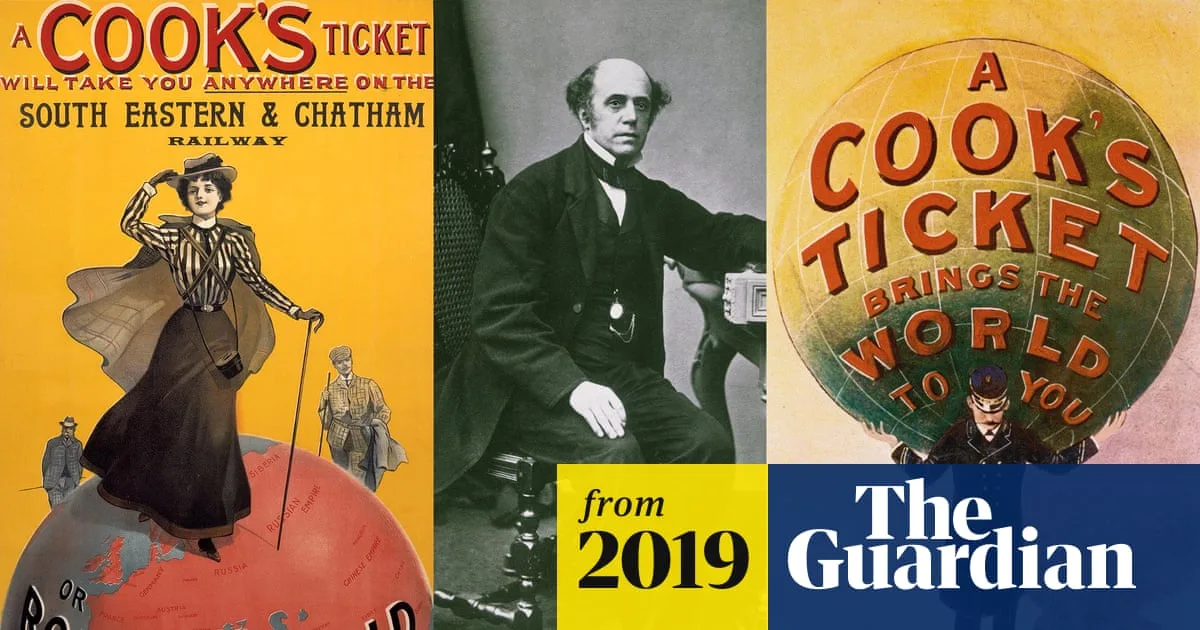
The collapse of Thomas Cook after 178 years in business was triggered by its failure to secure a £200m lifeline from banks, including state-owned RBS. However, the roots of its downfall stretch back much further, encompassing a disastrous 2007 merger, mounting debts, and the rise of online booking platforms.
The 2007 merger with MyTravel, owner of Airtours and Going Places, was meant to create a European giant with £75m annual cost savings. Instead, it saddled Thomas Cook with enormous debts, as MyTravel had been profitable only once in six years. By May 2019, the group reported a £1.5bn loss, with over £1bn written off from that deal.
The travel industry's shift to online bookings also played a crucial role. While 60% of Britons took a holiday abroad in 2018, up from 57% in 2017, the number of city breaks now far exceeds beach holidays. Low-cost carriers like Ryanair and easyJet, along with Airbnb, thrived, while package holiday firms tied to expensive high street shops struggled. Just one in seven holidaymakers now use a high street travel agency, typically those over 65 with lower incomes.
Thomas Cook's debt burden became unsustainable. Since 2011, it paid £1.2bn in interest, meaning over a quarter of its holiday revenue went to lenders. A proposed rescue by Chinese conglomerate Fosun International, involving a £450m cash injection and £1.7bn debt write-off, collapsed in late September. The timing was critical, as autumn and winter require large outflows for flights and hotels.
External factors like Brexit uncertainty and climate change also weighed on the firm. A 2018 European heatwave reduced holiday demand, and in 2019, British customers delayed travel plans due to Brexit and sterling's weakened buying power. The government declined to intervene, citing the Atol protection scheme and insurance, unlike the nationalisation of Thomas Cook in 1948 after World War II.