A viral blast from the past has starkly highlighted the severity of the current cost-of-living crisis, as a 1997 Tesco receipt circulates online, showcasing grocery prices that seem unimaginable by today's standards. With the ongoing conflict in the Middle East threatening to drive food bills even higher, this nostalgic snapshot serves as a poignant reminder of how far the pound once stretched in British supermarkets.
The Shocking Price Comparison
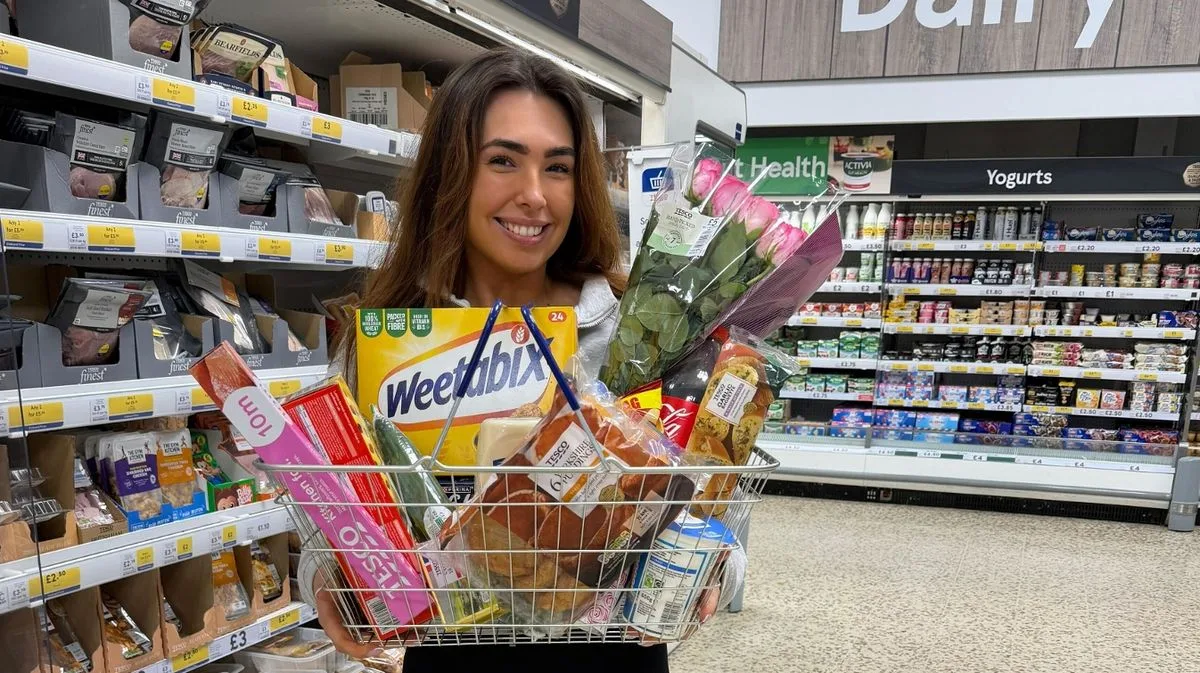
In 1997, a Tesco shopper managed to fill their basket with a variety of items for just £26.27. Fast forward to 2026, and replicating that exact same shop resulted in a staggering total of £62.70—a near quadrupling of costs over nearly three decades. This dramatic increase underscores the financial pressures facing households, who now typically spend upwards of £120 weekly to keep their cupboards stocked.
Specific Price Surges
The comparison reveals eye-watering hikes for everyday essentials. For instance, Weetabix has soared from 65p to £3.50, cooking oil has jumped from 53p to £3.00, and a bouquet of flowers now costs £5 compared to £1.66 in 1997. Even a bottle of Coca-Cola has escalated from 35p to £2.00, while cat food has skyrocketed from 49p to £5.00.
However, not all items have seen uniform inflation. Some staples remain closer to their 1990s prices, with yogurt increasing by just 23p, mayonnaise by 37p, and a branded deodorant rising from £1.79 to £2.00. Butter, once 55p, now costs £1.99, and a bottle of Radox body wash was purchased for £1, slightly less than the £1.85 shower creme from 1997.
Expert Warnings and Geopolitical Factors
Tesco CEO Ken Murphy has cautioned that the Iran war is creating "further uncertainty" for consumers, making it harder to find bargains in supermarket aisles. He noted it is "impossible to speculate" on how much food inflation could rise due to soaring energy costs linked to the conflict. Reports suggest Britain risks shortages of chicken, pork, and other supplies this summer if the war persists.
The Impact of Global Events
The closure of the Strait of Hormuz by Iran, following US and Israel strikes, has disrupted global markets, as one-fifth of the world's oil passes through this narrow waterway. With President Trump launching a counter-blockade, prices are expected to climb further. Harvir Dhillon, an economist at the British Retail Consortium, warns that once prices spike, they rarely retreat, citing permanently high wages, transport costs, and raw materials.
Food Security and Policy Concerns
Professor Tim Lang, Emeritus Professor of Food Policy at City University, emphasizes that the UK is drastically exposed to such shocks. He argues that food security is now a key component of "modern hybrid warfare," with food being weaponized. Lang points out that the UK produces only about 60% of its food, with minimal storage, unlike some countries that stockpile to protect consumers.
He predicts that even if a ceasefire holds and the Strait of Hormuz reopens, food price inflation is unlikely to subside, potentially rising to 8-9% by mid-summer. Lang attributes this to ongoing shocks from climate change, geopolitics, and hybrid warfare features, suggesting upward pressure will continue.
Shopper Sentiment and Bargain Hunting
In Tesco aisles, many shoppers are visibly struggling, muttering at shelf edges and picking up staples only to put them back in defeat. This behavior reflects the broader economic strain, as the viral receipt proves how much further a pound used to go. Disregarding a £10 redacted item, the 1997 shopper spent just £16.27—a sum that in 2026 barely covers the basics for a single dinner.
The Food and Drink Federation has warned that food inflation could hit nine percent before year-end, adding to the financial burden on households. As wages slowly catch up with inflation from previous crises, this new geopolitical shock threatens to reset progress, leaving consumers grappling with ever-rising costs.