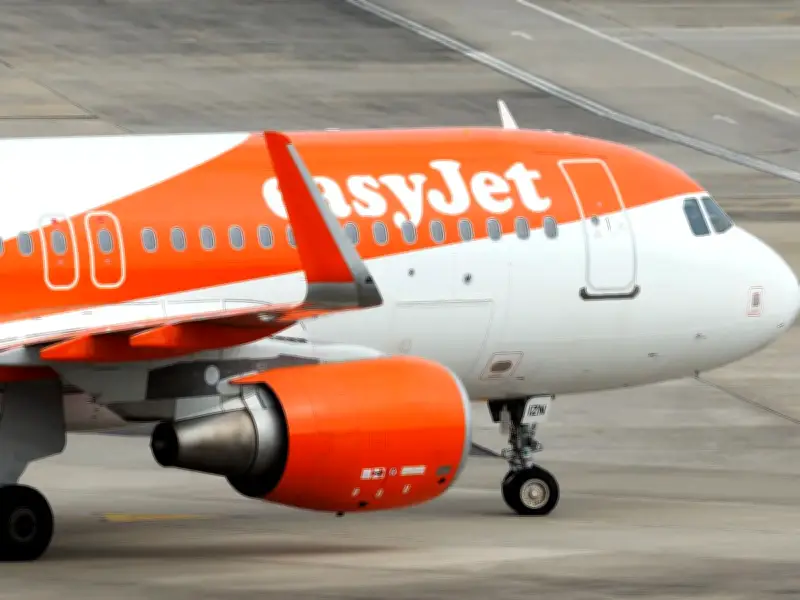
easyJet is cutting a further 700,000 seats from its winter schedule, bringing total reductions to 1.4 million between October 2026 and March 2027, as soaring fuel costs force budget airlines to scale back capacity. The latest tranche follows an identical announcement earlier this year, with the airline previously removing around 600,000 to 700,000 winter flight seats this summer.
Ryanair boss Michael O’Leary says he expects fare increases to continue in the months to come, warning that airlines cannot absorb the higher costs. Airline chief executive Kenton Jarvis confirmed the additional seat reductions, which affect flights between October 2026 and March 2027.
Airline response to fuel costs
An easyJet spokesperson said: “Like all airlines, we review our schedule on an ongoing basis and sometimes make some changes. The changes to our winter flying represent a tiny proportion of our flying programme. We make any changes in advance and typically choose multi-daily frequency flights so customers can easily move to an alternative flight.”
Willie Walsh, Iata director general, said jet fuel prices are expected to be 70 per cent higher year on year, speaking at the 2026 Iata Annual General Meeting in Rio de Janeiro, Brazil.
Fare increases and future outlook
Mr O’Leary said “insanely high” fuel costs had forced budget airlines to react, either by cutting flights or warning price rises are on the horizon. He told an Airlines for Europe news conference: “The airlines cannot survive unless they pass on these insanely higher fuel costs in the form of higher offers, and the customers will have to pay.”
While fuel prices, driven up by the Iran war, have started to ease, they remain high. Jet fuel is currently about 50% more expensive than it was before the war, and is likely to remain at those levels for the next 12-18 months.
O’Leary previously said ticket prices could be up to 20% higher next summer as a result of rising costs. This time he warned airlines could face more than another year of elevated fuel costs and higher fares - the first warning by an executive that the knock-on effects of the war could spill into 2028.