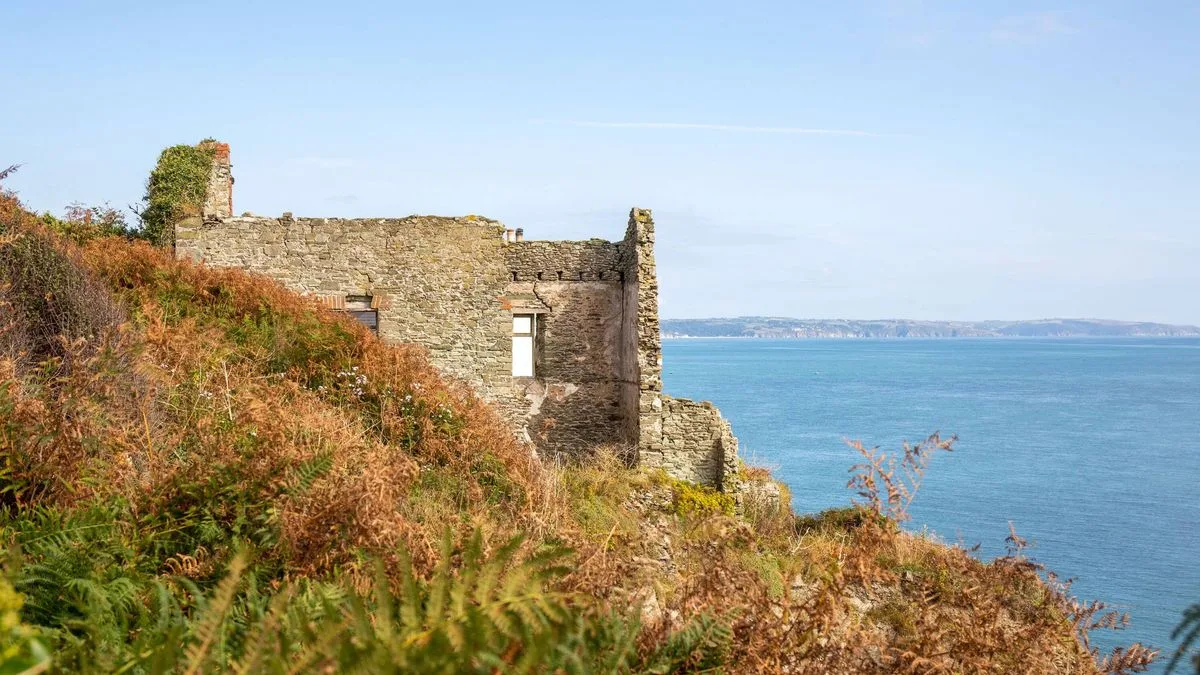
In 1917, a ferocious storm obliterated the Devon fishing community of Hallsands, leaving only a single dwelling intact. The catastrophe forced the village's inhabitants to seek refuge in nearby settlements, but remarkably, no one was injured.
Hallsands, located between Beesands and Start Point, had a history dating back to the 1600s. By 1891, it was home to a close-knit community of just 159 people. However, 26 years later, all but one of their homes were claimed by the sea.
The disaster was not purely natural. During the 1890s, the UK Government dredged the seabed between Hallsands and Beesands to source concrete for expanding the naval dockyard at Keyham, near Plymouth. Despite fierce objections from locals, dredging continued until 1902. By 1900, the beach had dropped noticeably, and a storm swept away part of the sea wall.
In September 1901, a Board of Trade inspector warned that future severe storms posed a real threat of significant damage and advised halting dredging. Once stopped, beach levels recovered somewhat, but storms continued to batter the village. The final blow came in 1917, when a storm caused the village to tumble into the sea.
The sole surviving house belonged to Elizabeth Prettyjohn, who refused to abandon the village and lived there with her chickens until her death in 1964. The property remains to this day. It took seven years for the displaced residents to secure compensation for their losses.