Cyprus has long been a favourite holiday destination among Brits, with more than 1.3 million visiting each year, almost a third of its total tourist numbers. But despite remaining largely unaffected by the ongoing violence resulting from the Middle East war, the island's tourism industry can hardly be said to have escaped unscathed.
Cyprus is struggling
A drone hit RAF Akrotiri in March this year, and even though the impact was described as 'minimal' by authorities, the damage was done to the pristine reputation of the island. No FCDO warnings are currently in place prohibiting travel to Cyprus, and yet many Brits are scared to visit. Its location in the far eastern Mediterranean, just 100 miles from the coast of Lebanon and Syria in the Middle East, means the country is seeing a decline in its usual visitor numbers as regional instability grows.
Sharp decline in bookings
Cruise bookings have dropped by around 50 per cent, according to Tom Antoniou, who sells cruises in popular Paphos. The number of visitors in Cyprus overall has dropped by at least 30 per cent, The Telegraph reported. Hotel bookings also dropped by 40 per cent in March, with images highlighting deserted beaches and streets in hotspots such as Larnaca, Limassol and Protaras, which are usually bustling with tourists. Larnaca's historic city centre has been left abandoned, much quieter than usual.
Even though three months have passed and bookings have risen since the drone attack, the situation is still bleak. It comes after the US and Israel launched attacks on Iran on February 28, just as Cyprus's tourism industry was reopening after winter. Then on March 2, as Iran launched a series of counter-strikes, a drone struck a British naval base on the island, triggering a wave of tourist cancellations.
Empty hotels and beaches
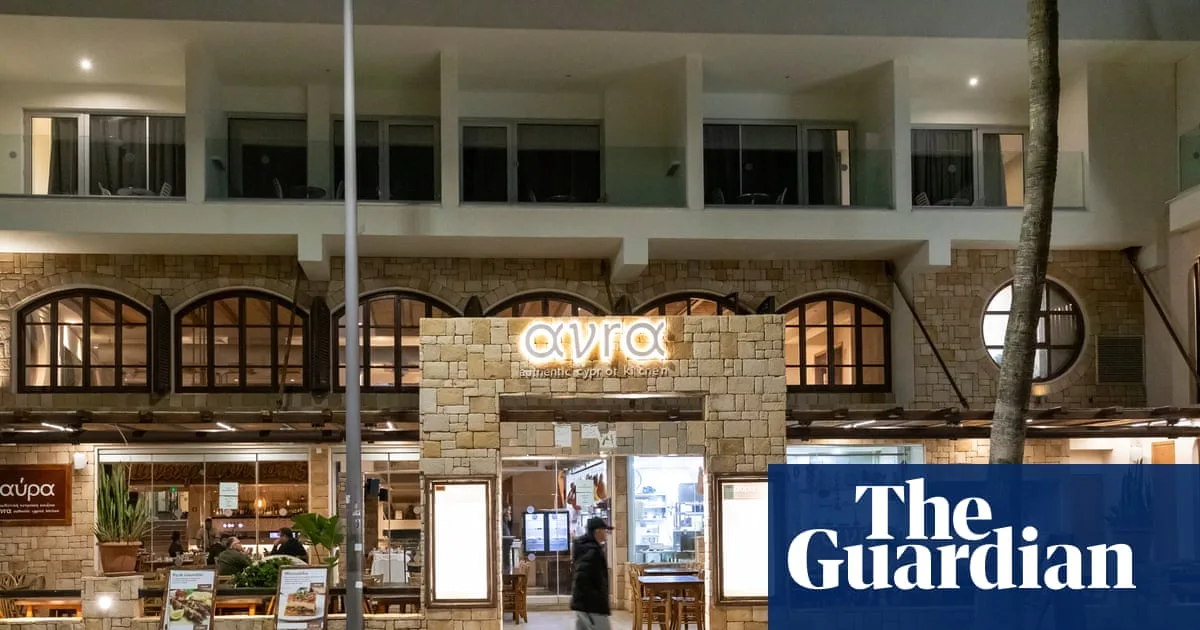
Empty hotels, bars and restaurants are now a common sight in previously buzzing regions such as Paphos. Beaches that would previously have been rammed are now quiet, as are popular hotels. At the Cap St Georges, the Telegraph explains, there are so few visitors the pool almost feels private. Meanwhile, the island is still grappling with high fuel costs.
Angelides Christos, the director general of the Cyprus Hotel Association, told the Cyprus Mail: 'The flow has improved, but for now it is not enough to cover the gap created by cancellations and the period we lost.' The month of May is underperforming, he explained, adding: 'The days are passing and it seems, unfortunately, that we will not have the results of May which we were all planning, either as individuals or as a country.'
Geographic vulnerability
And while Cyprus is not involved in the conflict, its geographic location means it is difficult to leave on short notice if airports have to close. Paphos airport, for instance, was evacuated after the nearby drone attack, although most flights remained unaffected. The drop in bookings after the drone attack was a sign of the war’s broad fallout, from disrupted oil flows to mass flight cancellations and worsening economic outlooks worldwide.
Daily cancellation rates for short-term rentals in Cyprus shot up from around 15 per cent before the conflict to as high as 100 per cent in the days after, according to data from US-based AirDNA, which tracks such bookings. As a result, prices dropped dramatically, and low-cost holidays in Cyprus are still available. Seven-night breaks in Cyprus in June with TUI can start from as little as £396pp, staying in places such as Paphos, Protaras and Ayia Napa. But the low rates are, most likely, a consequence of the lack of interest tourists are showing in Cyprus in light of recent events.