Cruise Industry Delivers £147bn Global Economic Boost, New Report Reveals
A comprehensive study by the World Travel and Tourism Council (WTTC) has detailed the substantial financial value of the cruise sector, highlighting its significant contribution to the global economy. The report, titled Cruising for Impact, provides the latest available data on the industry's economic footprint.
Economic Output and Job Creation
According to the findings, cruise tourism contributed an impressive $98.5bn (£73bn) to global gross domestic product (GDP) in 2024. In total economic output, the industry generated $199bn (£147bn), underscoring its role as a major economic driver. This boost stems from various factors, including job creation, passenger excursions, and in-port spending by travellers.
Additionally, the report notes that revenue from port fees and sustainability taxes further enhances the financial impact, though these are separate from the core economic contributions detailed.
The cruise industry accounted for 1.8 million jobs globally in 2024, with more than 1.4 million of these positions based onshore. These jobs supported $60.1bn (£44bn) in wages, reflecting the sector's importance to employment markets. Globally, for every 20 cruise passengers, one full-time job is sustained, spanning a wide range of roles.
- Port logistics and tour operations
- Transportation and hospitality services
- Maritime careers and support functions
On board cruise ships, approximately 300,000 seafarers from over 150 countries are employed, working across 450 different job types, showcasing the industry's global reach and diversity.
Supporting Local Communities and Destinations
The report emphasizes that visiting ports can significantly benefit local communities. This support often comes from simple actions, such as passengers buying a cup of coffee in a local cafe or participating in organised excursions. For instance, in Juneau, Alaska, nearly 1.7 million cruise passengers and 36,000 crew members generated over $375m (£275m) in direct spending in 2024.
This influx of visitors supported 3,850 local jobs in sectors like retail, tours, and services, demonstrating how cruise tourism can drive regional economic vitality.
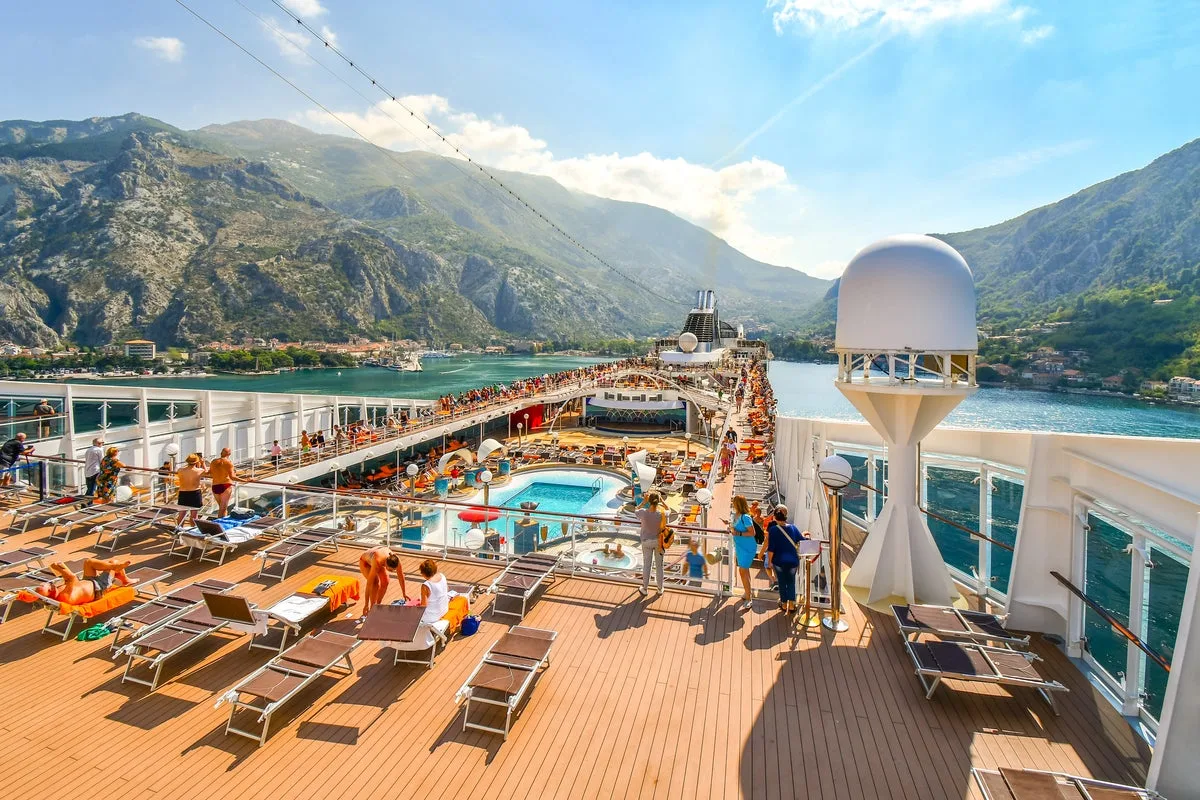
Historical landmarks, including Unesco world heritage sites, also reap benefits from cruise tourism. Revenue generated from visits can aid in maintenance and preservation efforts. In Montenegro, collaborative efforts between cruise operators, the National Tourism Organisation, and Unesco have supported the development of the medieval town of Kotor, as highlighted in the WTTC report.
Industry Leadership and Future Outlook
Gloria Guevara, president and chief executive of WTTC, commented on the findings, stating, "Cruise tourism brings real and lasting positive benefits to communities around the world. When travellers discover a destination through cruising and choose to return, they create ongoing opportunities for local businesses, support jobs, and contribute to the long-term vitality of those communities."
She added, "This report highlights the powerful positive impact of cruise tourism, showing how it connects people, supports livelihoods, and creates shared value for destinations around the world."
The report serves as a testament to the cruise industry's role in fostering economic growth, job creation, and community support on a global scale, with implications for future tourism strategies and sustainable development.