The Ultimate Copenhagen Pastry Quest: Finding the Perfect Danish in Denmark's Capital
Copenhagen's Best Danish Pastries: A Sweet Search Revealed

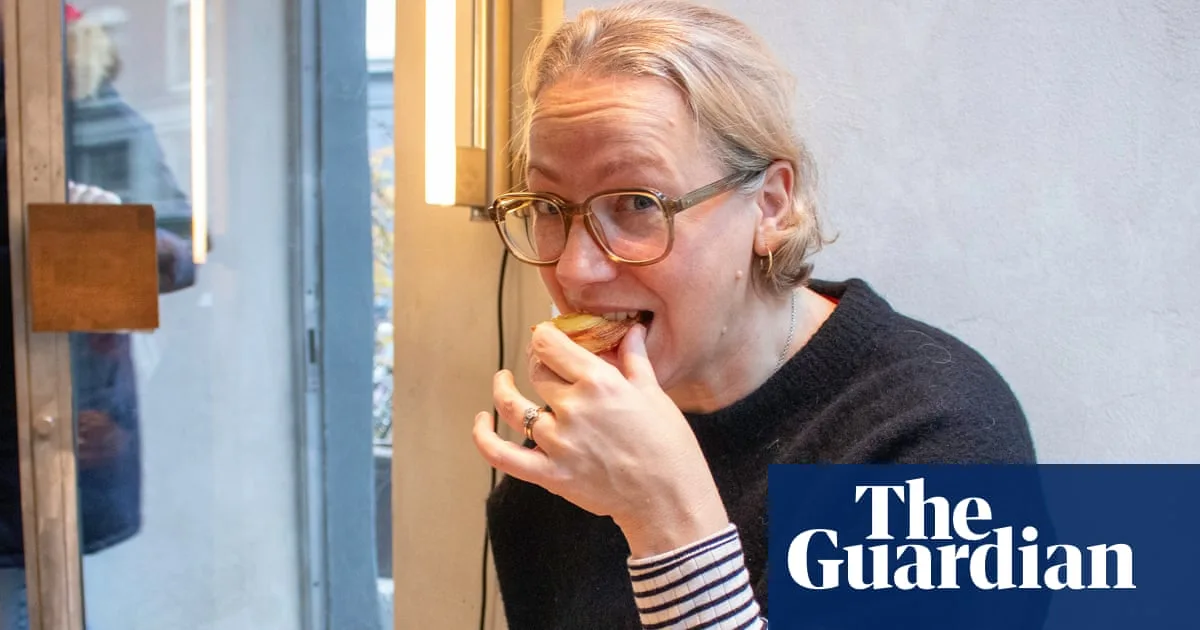
The author indulges in a pastry at Riviera bakery in the Nørreport neighbourhood, capturing the essence of a sweet culinary adventure in Copenhagen's vibrant streets. This image sets the scene for a deep dive into the city's rich bakery culture, where the search for the perfect Danish pastry becomes a delightful obsession.

My Search for the Perfect Danish Pastry in Copenhagen

In a city overflowing with bakeries, how does one pinpoint the very best? I embarked on a toothsome journey, risking sugar overload to uncover the quintessential blend of crisp pastry, an oozy centre, and aromatic cinnamon that defines excellence. While open sandwiches (smørrebrød), meatballs (frikadeller), and crispy pork belly (stegt flæsk) are must-try dishes for visitors to Denmark, nothing quite captures the imagination like the Danish pastry. Yet, with countless bakeries dotting the landscape, choosing where to go and what to eat can be daunting. As a long-term resident of Copenhagen and a self-confessed pastry fanatic, I accepted the challenge to identify the top Danish pastry in town.

The Surprising Truth About Danish Pastries

Let's start with a shocking revelation: Danish pastries are not actually Danish. In Denmark, they are known as wienerbrød, or Viennese bread, crafted using a laminated dough technique that originated in Vienna. Moreover, there is no single item called a "Danish" here; the term is too broad for a country with such a diverse pastry repertoire. What English speakers might recognise as a Danish is typically a spandauer—a round pastry with a folded border and a circle of yellow custard in the centre. Other popular varieties include the tebirkes, a folded pastry often filled with a baked marzipan-style centre and topped with poppy seeds; the frøsnapper, a twisted pastry dusted with poppy seeds; and the snegl, which translates to "snail" but is commonly known as a cinnamon swirl in English.

Pastries serve as an essential energy source for exploring Copenhagen, fueling walks through its charming streets and historic sites. I decided to focus my comparison on the snegl, partly because it's my personal favourite but mainly due to its widespread availability across the city. For me, a good snegl should feature a crisp outer circle and a squidgier middle, which Danes consider the best part, all while delivering a robust flavour of cinnamon and sugar.

The Battle of Old Versus New Bakeries

Copenhagen's bakery scene is in a state of dynamic evolution, with a steady stream of often international pastry chefs leaving high-end restaurants to launch their own establishments. New outlets seem to pop up nearly every day, sparking a low-key rivalry between traditional and modern bakeries. In this Instagram-driven age, however, the competition isn't always fair. Traditional bakeries are typically marked by the golden kringle, a pretzel-like sign hanging outside, exuding hygge and historic charm. In contrast, boutique-style bakeries often boast superior lighting and more vibrant displays, appealing to contemporary aesthetics.

For me, this represents a classic tale of modernisation and renewal. While some adaptations might go too far, others enhance traditional pastry flavours, making the experience even better. Why not embrace both? I explored a mix of traditional bakeries steeped in cosy ambiance and chic, patisserie-style spots, finding joy in the diversity.

Bakeries Reviewed: From Historic to Hipster

Sankt Peders Bageri: Famous for its "Wednesday snegl," Sankt Peders is Copenhagen's oldest bakery, dating back to 1652. Located on a cobbled Old Town street, it features a golden kringle outside and an air perfumed with cinnamon. I tried their classic cinnamon snegl, which is round, rather flat, and adorned with a splodge of white icing. Biting into its crisp edges revealed a soft inner section, but the lack of height and overly sweet icing meant it didn't make the top tier. 30 kroner (£3.50), 5/10

Brød: This small modern bakery on Enghave Plads in the vibrant Vesterbro district exudes hipster vibes, with babies in prams outside and cargo bikes parked nearby. The young baker proudly recommended trying a snegl, spandauer, and tebirkes for a rounded experience. The spandauer and tebirkes were good and not too sweet, but I particularly loved the tall cinnamon swirl with its deliciously squidgy middle. 30 kroner, 7.5/10

Juno: Consistently rated one of Copenhagen's best bakeries since its 2017 opening in Østerbro by Swedish baker and ex-Noma pastry chef Emil Glaser, Juno impressed with its classic cardamom bun. Delicately plaited and dusted with sugar and black cardamom flecks, it was sweet, slightly chewy, and very moreish. I couldn't resist eating more than a morsel, despite the risk of a sugar crash. 34 kroner, 9/10

Discount 365: To represent cheaper options, I visited this local supermarket and bought a thin, flat, cold snegl from the bakery cabinet, topped with white icing. It was crisply crunchy throughout, lacking a soft middle and cinnamon flavour, with a lingering taste of margarine. Paying more is definitely worth it. 12 kroner, 1/10

Albatross & Venner: At Torvehallerne food hall, a queue had already formed by the time I arrived. Offering 10 pastry types, including chia swirls and savoury options, I opted for a cinnamon snegl made with coffee syrup. The thick, uneven rolls were a bit clumsy but glazed, soft, and delicious, though without clear definition between outside and inside. 35 kroner, 6.5/10

Lagkagehuset: While I favour independents, it's important to mention bakery chains like Lagkagehuset, with its modern concrete and marble interior. I tried a direktørsnegl, a large chocolate-topped cinnamon swirl with an oozy centre, which was messy and sweet—perfect for those with a sweet tooth. 27 kroner, 8/10

Riviera: Run by Italian chef Chiara Barla, this neighbourhood bakery near Nørreport boasts a chic minimalist interior and is renowned for serving the world's best tebirkes. After weeks of tasting, this was the clear winner. The plaited, sticky, orange-glazed cinnamon snegl was a visual and gustatory feast; the spandauer's lightly lemony vanilla custard was exquisite; and the tebirkes tasted like a delicious fusion of traditional tebirkes and doughnut. 35 kroner, 10/10

This pastry quest highlights Copenhagen's diverse and evolving bakery scene, where tradition meets innovation in every bite. Whether you're a local or a visitor, exploring these bakeries offers a sweet slice of Danish culture and culinary excellence.