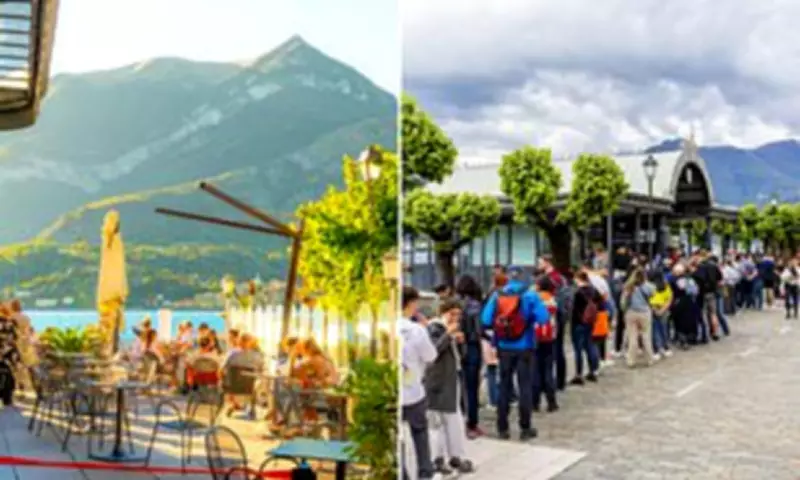
The picturesque Italian city of Como, renowned for its stunning Alpine vistas and historic piazzas, has been labelled 'Gotham City' by its own mayor in a dramatic move against tourist dining along its famous lakefront.
Mayor Declares War on Sprawling Terraces
Mayor Alessandro Rapinese has launched a forceful campaign to dismantle fixed outdoor dining structures by April 9, asserting that years of uncontrolled expansion have plunged the city into what he describes as 'chaos.' The crackdown specifically targets bulky wooden platforms featuring awnings and glass walls that dominate the waterfront, which officials claim obscure the very lake views that have attracted visitors for centuries.
Restoring Historic Beauty
'Como is a beautiful place handed down to us from Roman times,' Mayor Rapinese emphasised. 'We were allowing people to put anything they wanted in front of it.' This initiative has already resulted in the demolition of most permanent terraces in the town, with local media characterising the action as a 'massacre' of the so-called dehors.

While approximately 400 bars and restaurants in Como provide outdoor seating, only a limited number in the historic centre featured fixed structures—some of which had been in place for decades. Under the new regulations, businesses must now utilise temporary coverings like umbrellas, permissible solely between April and September in accordance with national guidelines.
Strict New Design Rules
Additional restrictions have been implemented to regulate what establishments can place outdoors, imposing limits on seating space and mandating a uniform aesthetic. Metal chairs painted charcoal grey are now compulsory, whereas benches, sofas, decorations, and even vibrantly coloured tablecloths have been prohibited.
Rapinese defended these changes as essential for reinstating order, criticising garish displays and oversized advertising props that clutter the streets. However, opponents argue that these measures threaten to strip Como of its distinctive charm and adversely affect local businesses already struggling with the pressures of mass tourism.
Economic Concerns and Wider Implications
Opposition politicians have cautioned that restaurants may be compelled to reduce staff, and proprietors express concern that losing outdoor seating will significantly impact revenues. One historic pastry shop, operational since 1960, has already been required to remove a 30-seat terrace that had stood for over twenty years, casting doubt on its future viability.
This controversy occurs within a broader context of increased regulation across Italy regarding outdoor dining, which expanded during the pandemic when rules were eased to support the hospitality sector. Cities such as Florence, Rome, and Milan have all introduced stricter controls as authorities attempt to balance tourism demands with the preservation of historic urban environments.
For the present, Mayor Rapinese remains resolute in advancing his agenda, with little indication of a policy reversal unless voters opt for change in the forthcoming election.