Colorado's Ski Season Devastated by Warmth, Sparking Wildfire Fears
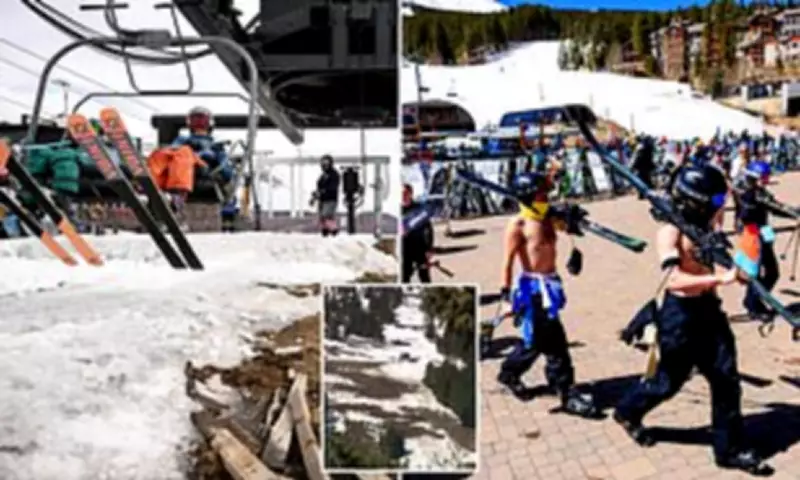
Colorado has endured one of its most disastrous ski seasons on record, as unseasonably warm weather compelled luxury resorts to shut down prematurely while slopes dried up alarmingly. The concerningly high temperatures during a blistering March heatwave across the Mountain West region also ignited fears of an even graver catastrophe looming on the horizon: devastating wildfires.
Typically, snow blankets the Colorado mountainsides, providing natural protection against any burgeoning blazes. However, the severe winter drought has left resorts exceptionally vulnerable this year. Melissa Nicholson, who operates a brewery in Rollinsville, a premium winter sports destination approximately one hour southwest of Boulder, reported that visitors have been increasingly anxious about wildfires.
'Working at the bar, you talk to a lot of locals and it's on everybody's mind,' she informed the New York Times in mid-March. 'Fire is the number one concern for everyone right now.'

Immediate Fire Threats Materialise
Merely three weeks later, a two-acre blaze erupted through the brush near Boulder. The Goat Trail Fire broke out adjacent to several densely populated neighbourhoods in the city on April 8, triggering evacuation warnings. Although the flames did not reach nearby ski slopes, the imminent threat of an inferno was sufficient to deter numerous skiers from the area throughout the season.
Combined with historically low snowfall, these fire fears prompted a significant reduction in visitor numbers to ski resorts from November through April. Hotels and chalets in Mountain West towns were only 60 percent occupied during March 2026, traditionally the peak of the ski season, a decline from 68.2 percent in March 2025.
More than half of all hotel rooms remained vacant over the season overall, with a 48 percent occupancy rate this year compared to 51 percent in 2025. These figures derive from hotel, condo, and private home occupancy data compiled by DestiMetrics and subsequently analysed by Travel Weekly.
Alarming Temperature and Snowpack Data
The situation unfolded as temperatures soared into the mid-60s across several popular Colorado ski resorts this year, even at elevated altitudes. This meant it was simply too warm for the customary snowfall that resorts depend upon, and resulting rainfall transformed the crisp white slopes into muddy sludge.
Snowpack plummeted to just 52 percent of the median historical amount on March 1 within the upper Colorado River basin, according to meteorologists. By April 1, this had diminished further to a mere 23 percent of the median, as per measurements released by the Colorado Basin River Forecast Center.
Skiers who persevered despite the dire conditions had to contend with fewer slopes, as many were closed. Photographs depict determined tourists managing to navigate muddy slopes that possessed barely an inch of snow. Many opted to ski shirtless or in bikinis due to the exceptionally high temperatures.
Broader Impacts Across the Region
Just outside Vail, Bearcat Stables owner Nicole Godley stated she was forced to substitute her usual tourist sleigh rides with horses and carriages because of the conditions. 'It's the same experience, the same ride, the same horses,' Godley explained. 'It's more about, you know, just these giant horses and the Western rustic feel.'
A similar picture echoed at resorts nationwide, as operators struggled to maintain winter sports facilities this year. 'Mother Nature has been dealing a really hard deck,' remarked Kevin Cooper, president of the Kirkwood Ski Education Foundation, a ski racing organisation at Lake Tahoe on the California-Nevada border.
Only a small percentage of lifts remained operational, and snow depths were substantially below average at Lake Tahoe resorts. In Oregon, the Upper Deschutes Basin in December experienced the slowest commencement to snow accumulation in records dating back to 1981.

Oregon, Idaho, and western Colorado recorded their warmest Novembers on record, with temperatures ranging from 6 to 8.5 degrees warmer than average, according to the National Oceanic and Atmospheric Administration. Climate scientists have cautioned that limiting global warming is critical to averting the snow-to-rain trend, which poses severe long-term threats to winter tourism and ecological stability.