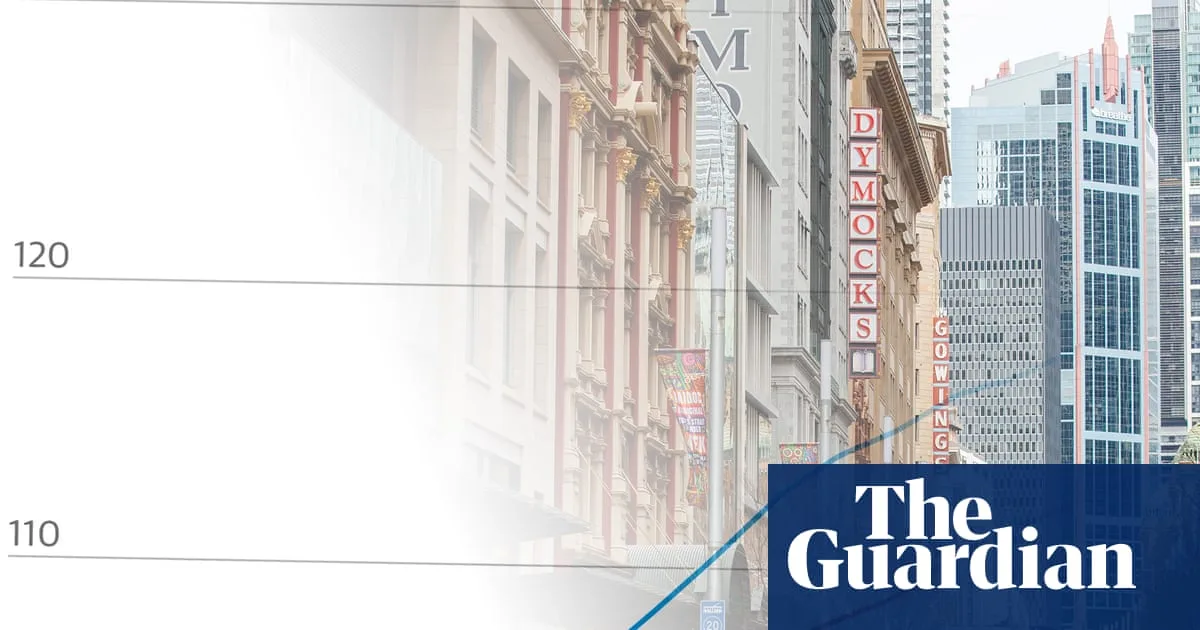
Inflation has fallen from the peaks of December 2022, dropping to 2.1 per cent in the year to June and near the bottom of the Reserve Bank's target range. But the biggest inflationary shock in a generation has left Australia a far more expensive place to live, and prices are unlikely to fall back to pre-pandemic levels.
Even with inflation now described as “back to normal”, the cost of living crisis will not be over until wage growth compensates for the cumulative rise in consumer prices. Economists compare the increase in the consumer price index since 2020 with the growth in the wage price index. If inflation averages 2.5 per cent and wages grow 3.5 per cent annually, things will not feel normal for at least another three years.
Trent Wiltshire, an economist at the Grattan Institute, notes that the wage price index measures only hourly rates, missing overtime and promotions. Broader measures, such as average weekly earnings, have risen faster and have just caught up with inflation. Yet on the cost side, the selected living cost index for employees includes mortgage interest payments, which have surged due to rate rises in 2022 and 2023, making the squeeze even sharper.
Even using these broader and more realistic measures, the analysis points to the same conclusion: the cost of living could remain a major issue for Australian households until early 2029. The treasurer, Jim Chalmers, has shifted his focus from controlling inflation, but for many families the pressure is set to persist.