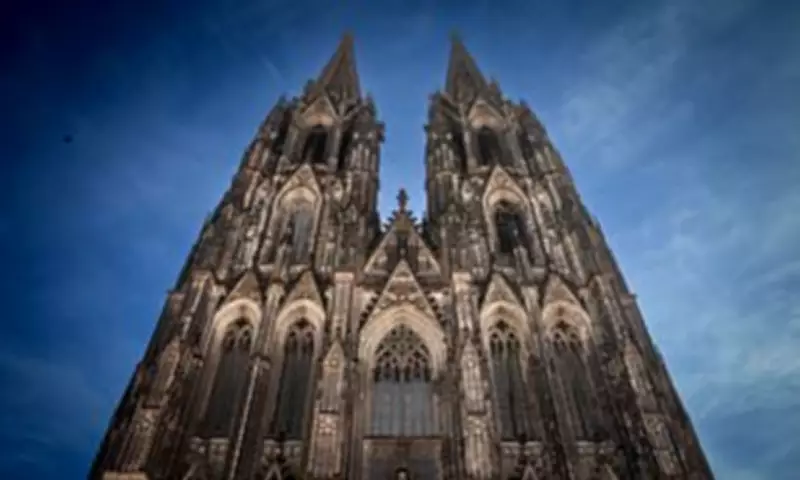
Cologne Cathedral to Introduce Entry Fee for Tourists from This Year
Tourists planning to explore the interiors of Germany's most famous cathedral will need to pay an entry fee starting later this year. Cologne Cathedral, also known as Kölner Dom, is a 13th-century Gothic masterpiece renowned for its striking twin spires and historical significance.
UNESCO World Heritage Site Faces Rising Costs
After surviving two World Wars, the cathedral was granted UNESCO World Heritage Status in 1996. It serves as both a major tourist attraction and a place of pilgrimage, drawing approximately six million visitors annually. On Thursday, officials announced that to sustain maintenance of the Rhine-side landmark, a fee will be charged for interior access.
The decision stems from escalating upkeep expenses for the nearly 800-year-old building. While the exact fee amount has not been disclosed, it aims to offset annual maintenance costs estimated at around 16 million euros (£13.9 million), which include rising staff expenditures.

Historical and Architectural Grandeur
Construction of Cologne Cathedral began in August 1248 and was not completed until 1880, taking a remarkable 632 years to finish. The cathedral dominates Cologne's skyline and hosts the city's annual Christmas market.
Its towering interiors feature a 144-metre-long nave that rises nearly 44 metres. Key attractions include:
- The Shrine of the Three Kings: A 300kg gold shrine created in 1180, symbolising the Trinity and among the most visited sections.
- A modern bronze altar: Installed by Elmar Hillebrand in the 1960s.
- 14th-century wood-carved choir stalls: With 104 seats, including two once reserved for the Pope.
Exemptions and Tourism Impact
Those attending daily services, held from 6am to 8pm, will not be charged. The cathedral remains a central hub for worship and cultural events.
Cologne has grown as a popular tourist destination since the early 2000s, aided by low-cost airlines and Eurostar links via Brussels, making it accessible within four hours by train from the UK. The new fee may influence visitor numbers but is deemed essential for preserving this architectural treasure for future generations.