From Arthurian Fantasy to Nightmare Reality: The Transformation of Camelot
The once vibrant Magical Kingdom of Camelot theme park in Chorley, Lancashire, stands as a haunting monument to faded glory, now serving a chilling new purpose while facing an uncertain future. Opened in 1983 and inspired by King Arthur legends, this beloved attraction welcomed approximately 500,000 visitors annually during its peak years, featuring iconic rides like the Whirlwind and Excalibur roller coasters.
A Slow Decline into Abandonment
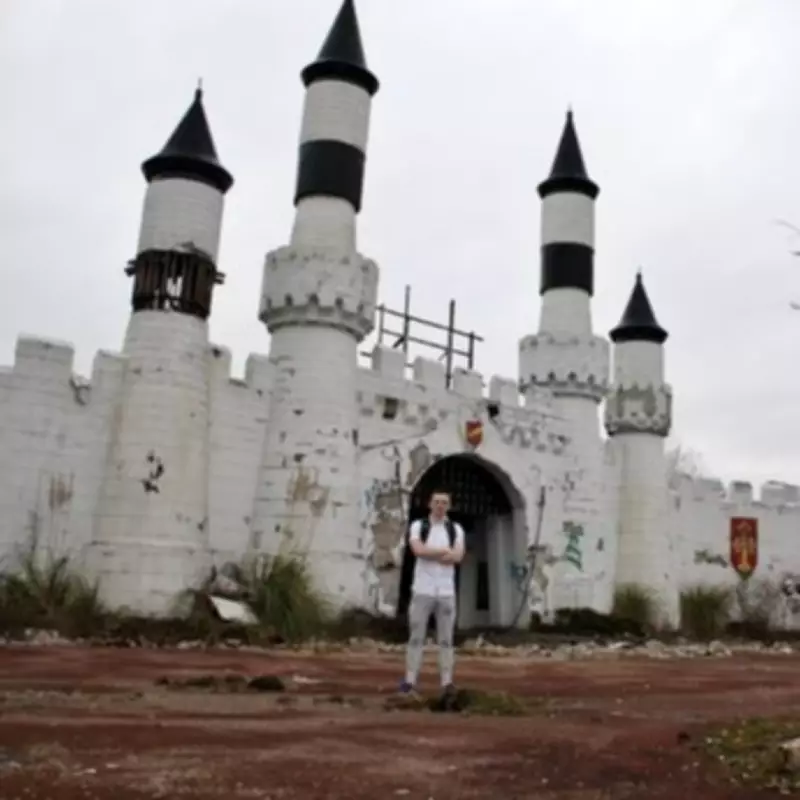
Despite the 2006 addition of the £3 million Knightmare roller coaster, which briefly revitalized interest, attendance steadily declined to just 336,000 guests by 2005. The park ultimately closed permanently in 2012 after nearly three decades of operation, leaving its 140-acre site valued at around £800 million to be reclaimed by nature and graffiti artists.
Urban explorer Matthew Holmes, who visited the site in 2017, described the experience as profoundly melancholic. "I went inside and instantly all these childhood memories came flooding back," he recalled. "It was quite sad to walk around this dilapidated space where excitement and fun have been replaced by emptiness. The entire place feels frozen in time, with all the rides still standing but slowly decaying."

A Frightening New Chapter Emerges
In a dramatic reinvention, the abandoned park found new life in 2024 as the venue for Scare City, a renowned horror event that transformed the decaying grounds into a nightmarish experience. This acclaimed fright fest featured 11 terrifying zones throughout the property, including the sinister Carni Valley attraction with recognizable characters returning to haunt visitors.
The relentless trail of terror blended elaborate staging with live performers across numerous themed areas guaranteed to frighten even the most courageous attendees. Nightmarish zones included the Slaughter House, home to Camelot's local cannibal preparing his annual feast, plus Junkyard and the bone-chilling Reaper's Reach.
Park-goers were specifically warned about the debut of 'Arakhne,' a new zone where visitors must endure the horrifying challenge of entering the spider queen's lair and confronting sinister beings throughout their journey. For those overwhelmed by the terror, the 'Resurrection Zone' offered temporary sanctuary with refreshments served at the halfway point.
Development Plans Loom on the Horizon
Beyond its temporary role as a horror venue, the disused location has captured significant interest from property developers. Story Homes has submitted multiple proposals to demolish the theme park and create substantial residential developments, with applications in 2017 and 2019 both rejected due to concerns regarding greenbelt land usage.
Developers have now lodged a revised proposal with Chorley Council detailing ambitious plans for a substantial housing scheme. The project encompasses up to 350 properties, with half designated as affordable housing, alongside a 186.9 square metre community facility and associated habitat creation, landscaping, open space, parking, footpaths, cycleways, drainage and other infrastructure.
According to accompanying planning documents, "The vision for the site is to deliver a development that provides an exceptional quality of place, underpinned by the highest standards of design and sensitive placemaking." The proposal emphasizes responding to the acute housing and affordability crisis in the Borough by delivering the type, tenure and quality of market and affordable housing needed to create and support a new community.
The development vision is supported by what planners describe as "a generous landscape led masterplan that respects the wider Green Belt and woodland context and provides new green spaces, green infrastructure and habitats as a fundamental element of a new landscape framework." This represents the latest chapter in the ongoing transformation of a site that has journeyed from Arthurian fantasy to horror attraction, with its ultimate fate still hanging in the balance between preservation, redevelopment, and temporary terrifying reinventions.