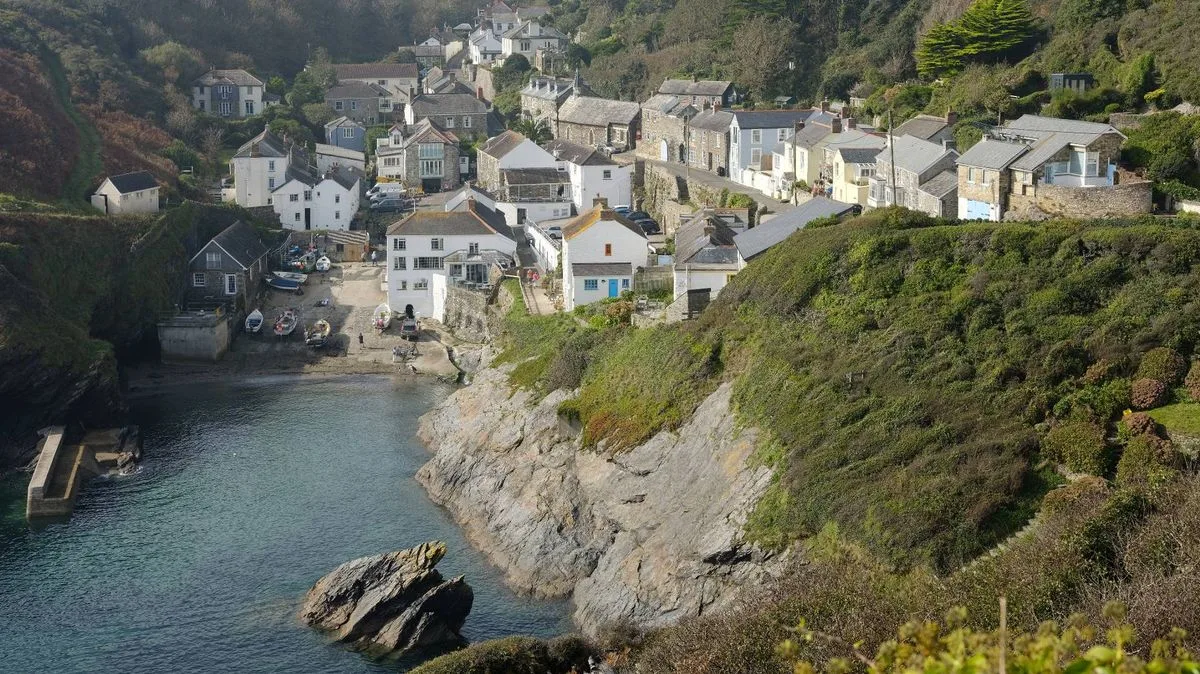
Nestled at the base of a steep valley on the Roseland Peninsula, the fishing village of Portloe in South Cornwall remains remarkably unspoilt, offering quintessential Cornish vistas without the usual crowds. Just 90 minutes from Devon, this hidden gem has been described by Secrets of Cornwall as "a great secret frozen in time."
Poet Laureate Sir John Betjeman once called Portloe "one of the least spoiled and most impressive of Cornish fishing villages." Its name derives from the Cornish 'Porth Logh', meaning 'cove pool', reflecting its scenic setting within a cove encircled by striking hillsides. The village's sheltered location made it a thriving pilchard fishing harbour in the 17th and 18th centuries.
Until the 20th century, more than 50 fishing boats operated from Portloe's harbour, a number that has since dwindled to just two. These remaining boats continue to catch lobster and crab, which are supplied to the village's two establishments: The Lugger and The Ship Inn. The steep surrounding valleys have preserved Portloe from urban expansion, leaving its 17th and 18th-century buildings virtually unchanged.
Like much of Cornwall, Portloe has a history intertwined with smuggling, particularly of French brandy, as locals sought to sustain the declining fishing industry. The village has also been a popular filming location, featuring in films such as Forever England (1935), Treasure Island (1949), About Time (2013), and the BBC series Wild West.
Visitors can enjoy fresh seafood at The Lugger hotel, perched at the harbour slipway's summit, or at The Ship Inn, a 17th-century fisherman's cottage adorned with nautical artefacts. One Tripadvisor reviewer described Portloe as "one of those hidden treasures."