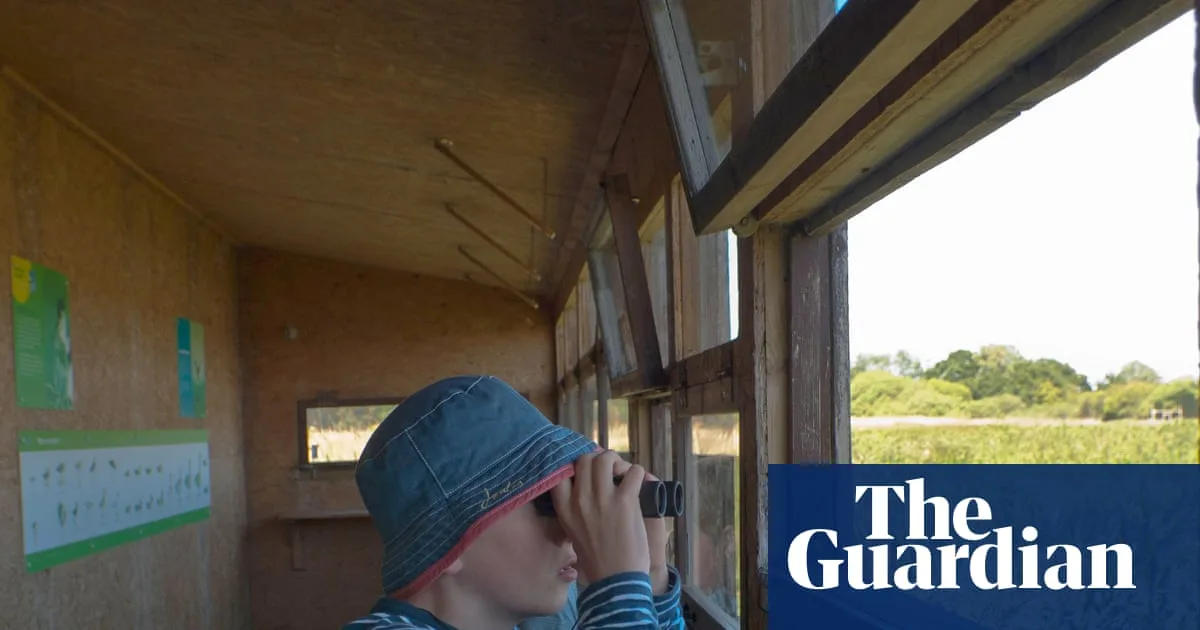
In an era dominated by digital screens and relentless pace, a quiet revolution is taking flight. The simple act of swapping a smartphone for a pair of binoculars is being embraced as the ultimate antidote to modern life, with birdwatching poised to become a headline travel trend for 2026.
The Rise of the 'Cool' Birder
New research from the excursion booking platform GetYourGuide confirms a significant shift in perception and participation. A survey of 1,000 UK travellers found that 55 per cent are keen to try birdwatching on their next trip. Nearly half (47 per cent) now view the pastime as "cool again", a sentiment largely driven by a younger demographic.
British Millennials are at the forefront of this movement, with a striking 85 per cent expressing interest in birdwatching while on holiday. Jean-Gabriel Duveau, Vice President of Brand at GetYourGuide, attributes this surge to popular culture. "In 2026, birdwatching will soar into the mainstream, propelled by the winds of popular culture," he says, citing celebrities like Ariana Grande and the viral #birdtok phenomenon on social media.
Dan Free, General Manager and tour guide at Wildlife Worldwide, has witnessed this demographic shift firsthand. "Traditionally, birdwatching has been seen as a middle-aged man’s pastime, but more people are certainly starting to realise the benefits," he reflects. He identifies social media and programmes like BBC's Springwatch as key drivers, alongside a renewed appreciation for local wildlife fostered during the Covid-19 pandemic.
Why Birdwatching is Captivating a New Generation
For enthusiasts like Free, the appeal is multifaceted but rooted in tranquillity. "I find it really therapeutic. It’s probably escapism more than anything," he explains. "It’s a great opportunity to escape the hustle and bustle... and go into a place that is a lot more tranquil." He describes the hobby as addictive, fuelled by the thrill of spotting different species and behaviours.
For beginners, Free advises starting locally at nature reserves or wetlands with dedicated hides, such as RSPB Minsmere or the Somerset Levels. He highly recommends using the free Merlin Bird ID app for instant audio identification and suggests investing in a decent pair of binoculars, which can start from around £50.
Joining a guided tour is an excellent next step. "The benefits of having a guide is that they will know where to go for the different species," says Free. "Tour guides cater for any ability and you will be there with a bunch of like-minded people."
Top Birdwatching Destinations for 2026
GetYourGuide's data shows a surge in searches for international birding experiences. Duveau highlights Oman’s Daymaniyat Islands, Vietnam’s Cat Ba National Park, and Thailand’s Doi Inthanon as trending destinations where birdwatching combines with activities like hiking and kayaking.
For UK-based adventures, the Somerset Levels offer a spectacular winter spectacle. The area teems with waterfowl, lapwing, and golden plovers, and is famed for its breathtaking starling murmurations at sites like RSPB Ham Wall. A special three-night guided trip with BBC naturalist Mike Dilger this January is available from £795 per person through Wildlife Worldwide.
Iceland provides a dramatic backdrop for birding, particularly to see Atlantic puffins. A popular full-day Puffin and Volcano Tour to the Westman Islands, best taken between May and August, starts from £202 per person on GetYourGuide.
Further afield, Tasmania’s Bruny Island is an avian paradise and an Important Bird Area, home to all 12 of Tasmania’s endemic species. The island hosts the Bruny Island Bird Festival in March. A private day tour including the Inala Nature Reserve and the Raptor Refuge costs approximately £606 per person for a group of four, offering close encounters with eagles, hawks, and owls.
As the trend continues to grow, it's clear that birdwatching is no longer a niche pursuit but a mainstream passport to mindfulness, adventure, and connection with the natural world.