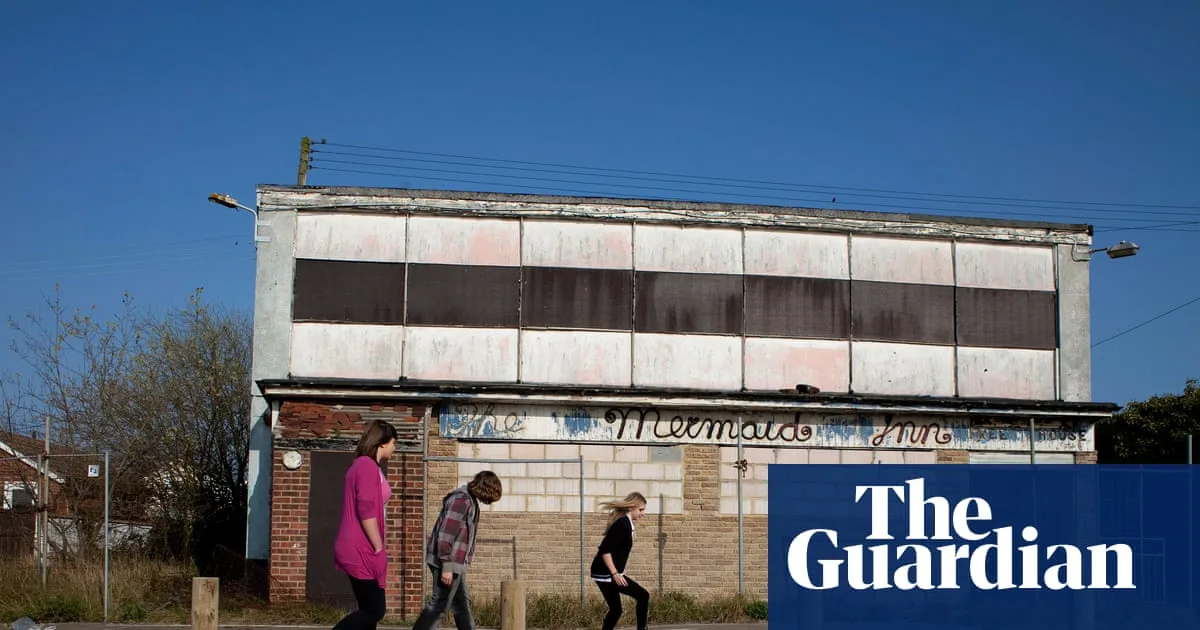
Jaywick Sands in Essex has once again been named England's most deprived neighbourhood in the latest Index of Multiple Deprivation, marking the fourth consecutive time the seaside village has held the unwanted title. The area, once a popular holiday destination for working-class Londoners, now symbolises economic neglect and social breakdown, exacerbated by geographic isolation.
The index reveals that Jaywick is in the worst 10% of neighbourhoods across all seven indicators of deprivation, including employment, income, health, crime, housing access, and environment. Tendring council leader Mark Stephenson acknowledged the data but highlighted community strengths, calling Jaywick “a truly special place, full of heart, pride and real community spirit.”
Beyond Jaywick, the index shows a static deprivation hierarchy at council level, with Blackpool, Middlesbrough, and Birmingham consistently at the top, suggesting limited impact from political initiatives like “levelling up.” These post-industrial areas in the north and Midlands face high poverty and growing dissatisfaction with Westminster politics.
However, the 2025 indices also reveal a dynamic shift in London, where high housing costs have dramatically altered the deprivation picture. For the first time, income deprivation measures account for rent, showing that in 31 inner London neighbourhoods, virtually all children live in low-income households. In Tower Hamlets, 71% of children are in income-deprived households, followed by Hackney (64%) and Newham (60%). Even in Islington, 53% of children live in low-income households, matching Burnley.
The change in measurement could have political repercussions, as it will influence the local authority funding formula. Labour-run councils in the north fear that recognising London's high housing costs may reduce the promised reallocation of resources from the south. Meanwhile, inner London boroughs welcome the formal acknowledgment of extreme deprivation driven by the capital's dysfunctional housing market.