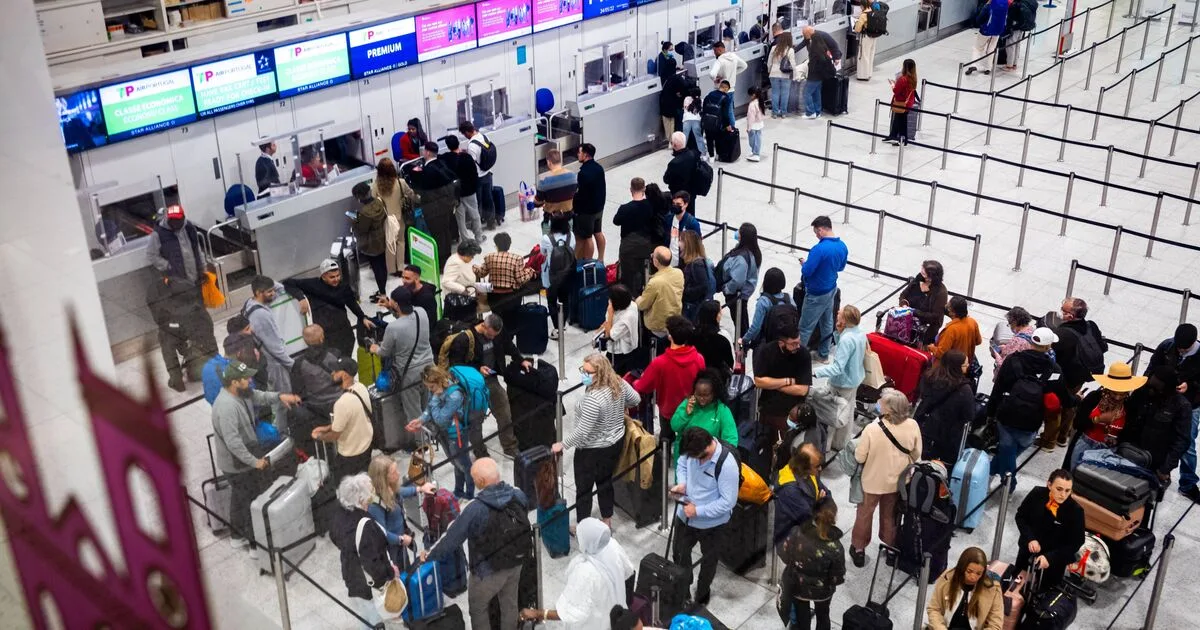
Holidaymakers Risk £5,000 Fines for Undeclared Food in Luggage
£5,000 Fines for Undeclared Food in Luggage

British holidaymakers jetting abroad for Easter breaks could face substantial financial penalties of up to £5,000 if they fail to declare prohibited food items in their luggage upon returning to England. With many seeking sunshine destinations, awareness of strict import regulations is crucial to avoid hefty fines.

Understanding Food Import Restrictions

Official Government guidance outlines clear restrictions on bringing specific food and animal products into Great Britain from overseas. While items like bread, biscuits, chocolate, and confectionery generally face no limitations, other categories are either banned outright or require formal declaration.

Meat, Dairy, and Animal Product Bans

Current regulations impose tight restrictions on importing meat or dairy products from any European Union country for personal use. This policy aims to prevent the spread of animal-related diseases following recent outbreaks across Europe.

The ban specifically applies to:

  • Mutton, goat, and venison
  • Products derived from these meats, including sausages
  • Milk and dairy items such as butter, cheese, and yoghurt
  • Pork, beef, and lamb

However, travellers may still bring fish, poultry, eggs, or honey from EU nations, Switzerland, Norway, Iceland, Liechtenstein, the Faroe Islands, and Greenland for personal consumption without restrictions.

Stricter Rules for Non-EU Countries

Regulations become more stringent for nations beyond the European Union. Existing rules prohibit travellers from bringing back any meat or meat products, along with milk or dairy items from these countries.

Permitted Items and Exemptions

Certain exemptions exist for essential products. Travellers may bring up to 2kg per person of specific items, including:

  • Honey
  • Powdered infant milk, baby food, or special medical requirements food (including pet food) – provided it doesn't require refrigeration before use and remains in branded, unopened packaging unless currently in use
  • Shellfish like mussels or oysters
  • Preserved or shelled, cooked and prepared snails
  • Frogs' legs (hind parts only with skin and organs removed)
  • Insect meat

Additionally, travellers may transport up to 20kg per person of fish products, including fresh fish (must be gutted), processed fish (dried, cooked, cured, or smoked), lobsters, and prawns.

Plant Product Regulations

The Government also enforces restrictions concerning plant materials. Holidaymakers may bring fruit, vegetables, nuts, and seeds from the EU, Switzerland, or Liechtenstein into the UK without special documentation.

For countries outside the EU, regulations differ significantly. Most fruit or vegetables require a phytosanitary (plant health) certificate obtained from plant health authorities in the departure country.

Exceptions allowing transport without certificates include:

  • Pineapple, kiwi, coconut, citrus fruits, kumquat, persimmon, durian, curry leaves, banana, plantain, mango, dates, passion fruit, and guava
  • Processed and packaged plant products like packaged salads or frozen plant material
  • Peeled and processed nuts or nut butters
  • Certain grains including rice

Consequences of Non-Compliance

Border Force officers at customs will confiscate and destroy any declared banned food products. However, failure to declare prohibited items could result in fines reaching £5,000 in England or potential prosecution.

Border Force maintains authority to seize products if they suspect:

  • Illegal importation of items
  • Exceeding quantity limits for restricted products
  • Cross-contamination issues, such as blood from meat contaminating clothing or bags (which would then be destroyed)

Travellers uncertain about any products should consult Border Force officers in the red channel at customs or use red point phones for clarification.

Unrestricted Food Items

Several food categories face no restrictions when entering Great Britain from any country:

  • Bread (excluding sandwiches filled with meat or dairy)
  • Cakes without fresh cream
  • Biscuits
  • Chocolate and confectionery (excluding those with substantial unprocessed dairy ingredients)
  • Pasta and noodles (unless mixed or filled with meat products)
  • Packaged soup, stocks, and flavourings
  • Processed and packaged plant products
  • Food supplements containing minimal animal products like fish oil capsules

These regulations highlight the importance of careful luggage preparation and declaration to avoid significant financial penalties during international travel.