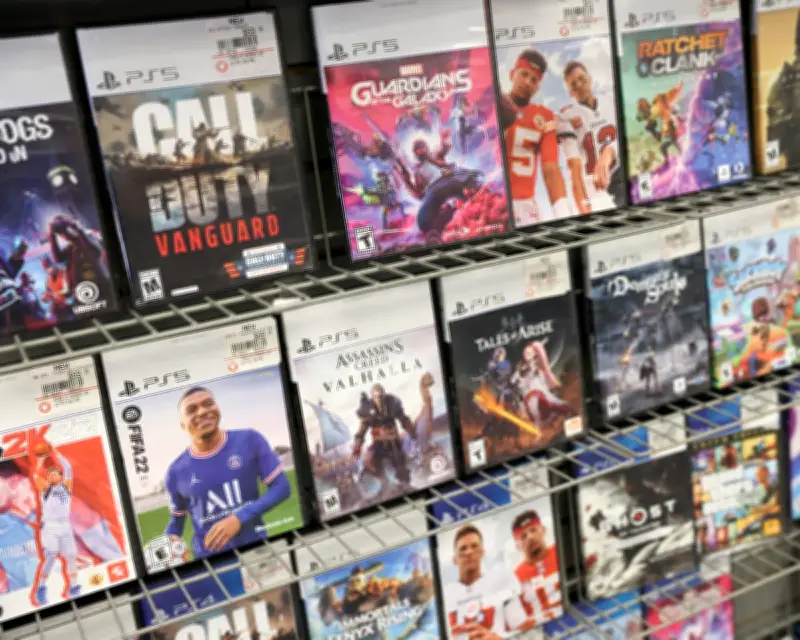
Sony's announcement that it will cease production of physical PlayStation games by 2028 has ignited widespread backlash from gamers, industry observers, and even brands like KFC and Domino's, who mocked the decision on social media. The move, posted quietly on the PlayStation blog, comes just days after Sony admitted it would delete 550 movies from PlayStation owners' digital libraries due to a lapsed licensing deal—underscoring the risks of digital-only purchases.
Timing and Irony of the Decision
The timing of Sony's announcement has been widely criticized as a public relations disaster. Less than a week earlier, Sony faced outrage over deleting purchased digital movies, highlighting that consumers do not truly own digital content. The decision also contrasts sharply with Sony's 2013 stance, when it mocked Microsoft's digital-first Xbox One with a video showing how easy it is to lend physical PS4 games to friends.
In response, TikTok and YouTube erupted with angry reaction videos from gamers. Brands including KFC, Domino's, and even DeLorean posted mock announcements about going download-only, while satirical news site The Onion claimed Twinkies would become exclusively digital. Sony remained silent for four days.
Economic Rationale vs. Consumer Impact
From a business perspective, the decision makes sense. Approximately 80% of PlayStation game sales are now digital, according to Sony. Eliminating discs reduces manufacturing and distribution costs and paves the way for a disc-free PS6, which would be cheaper to produce. Sony also controls all digital sales through the PlayStation Store, allowing it to set prices without retailer competition.
However, consumers lose choice. After 2028, PlayStation owners will no longer be able to buy cheaper games in retailer sales, share games with friends, or purchase secondhand titles. Sony's digital store sales often keep back-catalogue games at full price, and the company faces multiple lawsuits over its monopoly on digital PlayStation game sales.
Superfans Disenfranchised
Many physical game buyers are superfans—enthusiasts who spend far above average on games, hardware, peripherals, and merchandise. They also serve as advocates, encouraging friends to play and creating content. A 2024 Goldman Sachs report on the music industry, where Sony is also active, identified superfans as vital, generating $4.5 billion in revenue. The report noted: “What defines a superfan isn’t just spend. It’s social signalling, identity alignment, emotional investment and community. These people don’t just consume, they contribute, create and amplify.” The same applies to gaming, and Sony has alienated its most ardent supporters.
Cultural and Historical Context
Sony has historically positioned PlayStation as a cultural medium, not just a consumer product. The original PlayStation played music CDs, the PS2 was a cheap DVD player, and the PS3 introduced Blu-ray. These decisions projected an understanding of gaming consoles as entertainment hubs. Now, as Gen Z embraces physical media like vinyl and DVDs, eliminating game discs seems culturally out of step.
Companies like Lost in Cult and Iam8bit produce deluxe physical editions for collectors, fostering fan cultures that reward passionate supporters. Sony's cost-cutting spreadsheet apparently had no column for such ecosystem benefits.
Industry Reactions and Future Outlook
Hideo Kojima, creator of Metal Gear, commented on the decision at a film festival in Italy: “I’m very sad about it, because I grew up with physical media.” He also called a subscription-only future for games “scary.” Meanwhile, Microsoft confirmed layoffs of 3,200 Xbox employees as part of a major restructure, though four previously threatened studios will not close.
As the industry moves toward digital distribution, the loss of physical games raises questions about ownership, preservation, and the role of superfans in the gaming ecosystem.