One in five addicts being treated in rehab are now hooked on social media as experts warn Britain is in the grip of a new 'always-on' addiction crisis. Clinics say patients are spending up to eight hours a day glued to their phones, scrolling through apps late into the night and fuelling a surge in insomnia, anxiety and dependency.
Rise in Social Media Addiction Among Rehab Patients
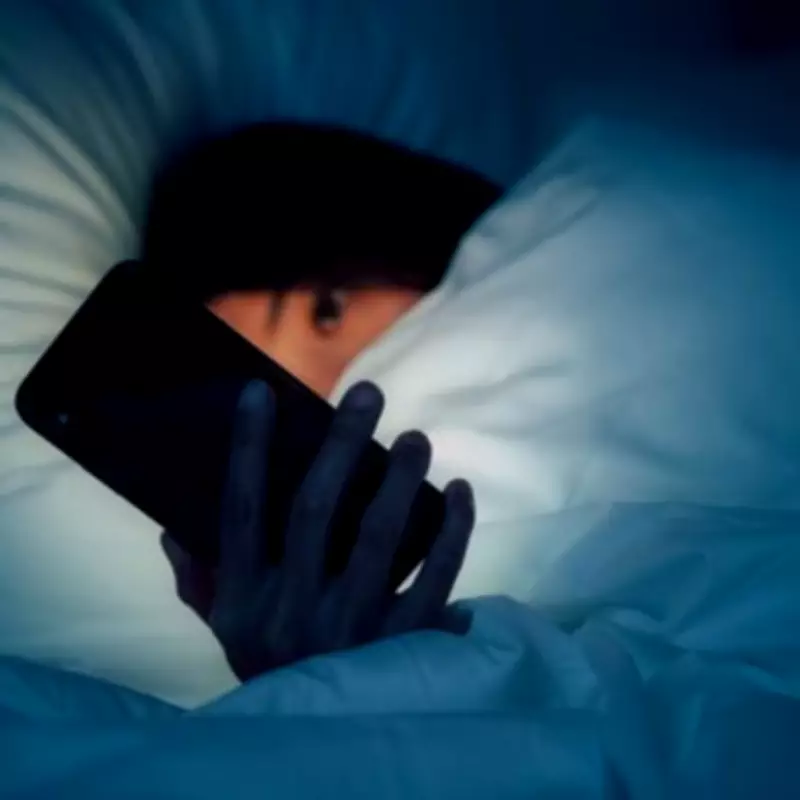
The UKAT Group, which treats more than 3,500 addicts a year, reports that one in five of its patients now suffers from a social media addiction. This marks a dramatic rise from just one case a month in 2020. Many patients do not even realise they are addicted until they seek help for other issues such as alcohol or drug misuse, only for clinicians to uncover a deeper dependence on their phones. More than half of those later identified as suffering from social media addiction had originally been admitted with prescription drug problems linked to insomnia, with sleeplessness driven by late-night scrolling.
Impact of Social Media on Mental Health
Experts say the 'always-on' culture of social media is rewiring behaviour, with patients chasing constant stimulation and unable to switch off. Clinic bosses note that some addicts spend more than eight hours a day online without realising how much of their lives have been taken over. The problem is so widespread that the clinic group is contacted by around ten worried parents every week seeking help for children struggling to control their social media use. Therapists highlight that platforms such as TikTok and Instagram fuel a cycle of dependency driven by dopamine, the brain chemical linked to reward and pleasure. Users become hooked on the buzz of likes, shares and comments, but quickly need more engagement to achieve the same effect, trapping them in a cycle of compulsive use.

Secondary Addictions and Social Pressure
Many of the clinic’s patients, particularly young men and women, feel immense pressure to present themselves attractively on camera for their posts. This triggers a secondary addiction where they spend hours on make-up, clothes and hair care before feeling able to go live. Experts warn that the addiction can damage sleep, relationships and mental health, with some patients losing jobs or becoming socially isolated as their screen time spirals.
Government Consultation and Legal Precedent
The Government is currently consulting on a social media ban for under 16s. This follows a landmark case in the US where a young woman won $6 million (£4.5 million) in damages after suing Meta and YouTube over her childhood addiction to social media. Campaigners have called for an Australia-style ban on children using social media, though questions remain about the effectiveness of such prohibitions.
Expert Commentary
Zaheen Ahmed, Head of Treatment at The UKAT Group, stated: 'This is no longer just heavy use - it’s dependency. The 24/7 access and endless reward loops of social media mimic the patterns we see in both behavioural and substance addictions. What’s most concerning is how often it goes unnoticed, surfacing as anxiety, insomnia or even being dismissed as “work necessity” rather than recognised as the root cause.'