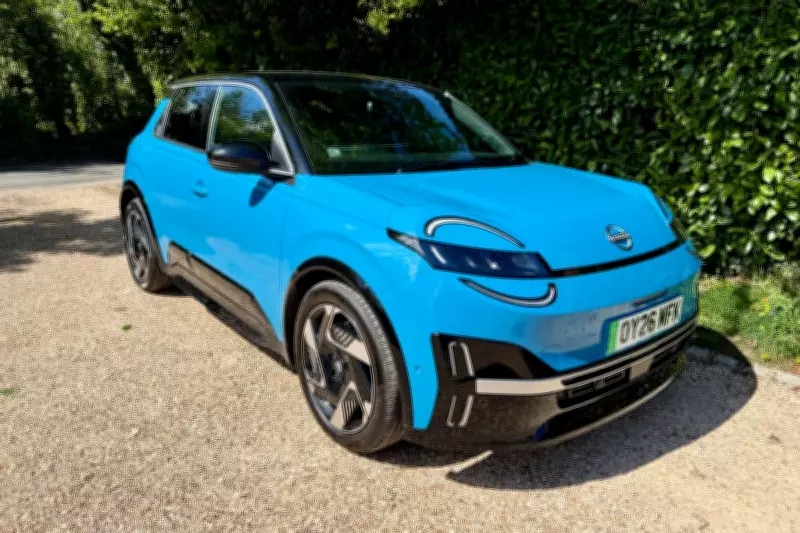
Nissan Micra Reborn as Fully Electric Supermini with Renault 5 Underpinnings
The Nissan Micra makes a significant comeback in its sixth generation, transitioning to a fully electric vehicle that shares substantial DNA with the Renault 5. While this move aligns with automotive trends in 2026, the collaboration between Nissan and Renault through the Renault Group's AmpR Small platform marks a strategic revival for the iconic Micra nameplate.
Shared Foundations with Distinct Identity
Manufactured alongside the Renault 5 in northern France, the new Micra utilizes the same bodyshell and interior architecture as its French counterpart. Despite these shared components, Nissan's design team in London has crafted a forward-looking aesthetic that diverges from the Renault 5's retro influences. The Micra features a chunkier, SUV-inspired stance with pronounced wheel arches and distinctive "ice cream scoop" side indentations, creating a modern appearance that honors the Micra legacy.
This electric iteration represents a crucial component of Nissan's European strategy, following over six million global sales across more than four decades. The vehicle aims to deliver style, affordability, and practicality as part of Nissan's broader electric vehicle expansion planned through 2027.

Technical Specifications and Performance
The Micra offers two battery options: a 40kWh unit providing approximately 196 miles of range and a 52kWh battery delivering up to 257 miles. Charging capabilities include DC fast charging up to 100kW for the larger battery, enabling a 15-80% charge in approximately 30 minutes, alongside 11kW AC charging for home or workplace use.
Performance figures show the 40kWh model accelerates from 0-62mph in nine seconds, while the 52kWh version achieves this in approximately eight seconds. The vehicle incorporates a heat pump and battery thermal management system to maintain efficiency in colder conditions, along with regenerative braking adjustable via steering wheel paddles.
Driving Experience and Practical Assessment
During comprehensive testing in South Buckinghamshire, the Micra demonstrated sprightly urban performance with instant torque delivery, making it particularly engaging for city driving. The multi-link rear suspension contributes to composed handling and stable cornering, while the vehicle maintains competence on motorways like the M40.
Practical considerations reveal a 326-litre boot capacity expandable to over 1,100 litres with rear seats folded. Interior space proves adequate in front seats but limited in rear legroom, particularly for taller passengers. The gear selector system requires adaptation, as it lacks a dedicated park function, instead relying on neutral selection with parking brake application.
Technology and Infotainment Systems
The Micra features dual 10.1-inch screens running Google's Android Automotive operating system with native Google Maps, Google Assistant, and Play Store app access. The system includes battery-aware navigation that automatically suggests charging stations when needed. Additional features include wireless phone charging, Harman Kardon audio system, ambient lighting, and ProPilot driver assistance with adaptive cruise control.
Standard integration of Apple CarPlay and Android Auto complements the native Google system, while the NissanConnect Services app enables remote battery monitoring, charging control, and cabin pre-conditioning.
Pricing and Value Proposition
Starting from £21,495 including government grants, the Micra positions itself competitively within the electric supermini segment. The 52kWh model begins at £23,245 with full £3,750 grant application, creating unusual pricing dynamics where larger battery variants sometimes cost less than higher-trim models with smaller batteries.
Running costs benefit from electric drivetrain efficiency, reduced servicing requirements compared to combustion engines, and potential savings on congestion charges and road tax. Nissan provides an eight-year battery warranty alongside a three-year or 60,000-mile vehicle warranty.

Comparative Analysis and Market Position
The Micra enters a competitive field including the Renault 5, MINI Aceman, and Citroën ë-C3. While sharing fundamental architecture with the Renault 5, the Micra distinguishes itself through more contemporary styling and subtle driving character differences. Both vehicles offer similar range figures, with the Micra holding slight advantages in maximum range claims.
The vehicle's combination of compact dimensions, urban-friendly driving characteristics, and sufficient range for longer journeys positions it as a viable primary vehicle for many drivers, particularly those transitioning from traditional small cars like the Mini.
Expert Verdict and Consumer Relevance
After extensive evaluation, the new electric Nissan Micra emerges as a well-executed revival that leverages proven EV technology while establishing its own identity. The vehicle delivers an enjoyable driving experience, competitive technology, and practical range within an accessible price bracket.
While rear space limitations and some interior ergonomic quirks represent compromises typical of the supermini class, the Micra's overall package addresses core requirements for affordable, practical electric mobility. Its return to the market arrives at an opportune moment as consumers seek compact, cost-effective electric vehicles for daily transportation needs.