Mexico City's Zócalo, one of the world's largest public squares, has become a focal point for both World Cup celebrations and escalating protests. The plaza, transformed into a fan festival for the 2026 tournament, is also hosting a tent city of striking teachers from the Coordinadora Nacional de Trabajadores de la Educación (CNTE). The union is demanding better wages and a return to a state-guaranteed pension system abolished two decades ago.
Violent clashes have erupted between protesters and riot police, with tear gas used to repel demonstrators who breached barriers around the Zócalo last week, injuring five. The CNTE has threatened to mobilise more teachers nationwide, while President Claudia Sheinbaum has refused to concede, arguing that reinstating the pension system would impose a crippling financial burden on the government.
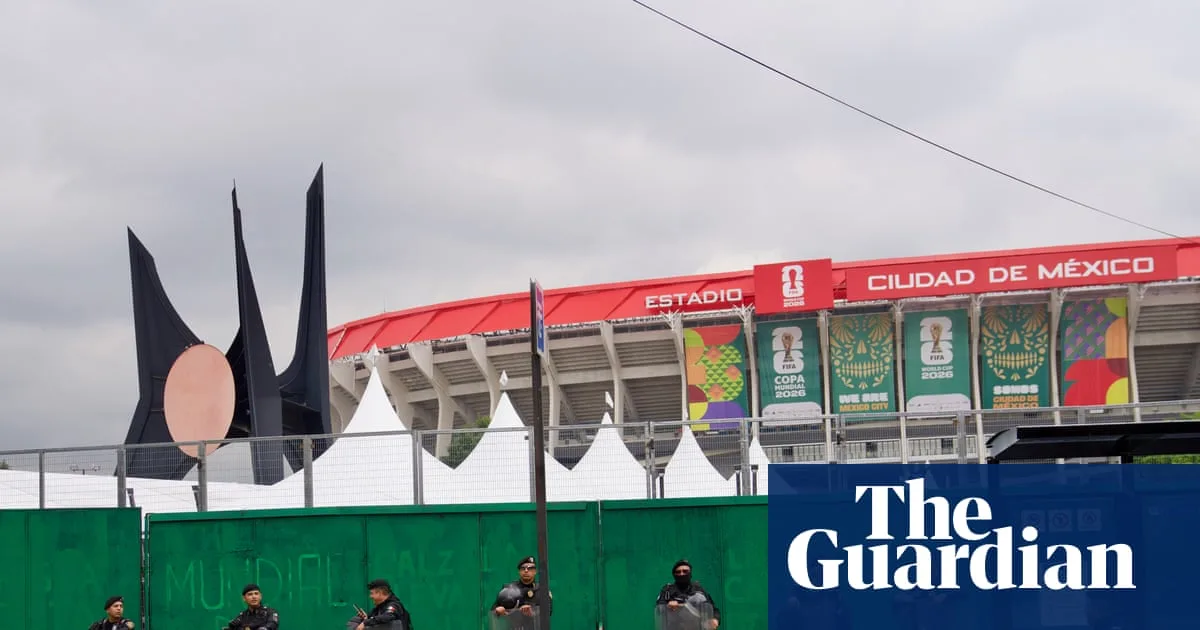
As Mexico prepares to welcome an estimated five million international visitors during the World Cup and spends about $3bn on infrastructure, the protests have tempered public excitement. On Tuesday, the tent village was quiet, but major avenues leading to the Estadio Ciudad de México were blocked by protesters, who have threatened to disrupt the opening match between Mexico and South Africa on Thursday. Sheinbaum called the threats a 'provocation', accusing protesters of exploiting the World Cup spotlight.

Other groups are also using the tournament to air grievances. Transport workers have shut down streets over unsafe conditions, farmers demand market price reforms, and sex workers protest city beautification projects that they claim limit client access. Some locals and business owners, however, question the legitimacy of the protesters, with President Sheinbaum suggesting that not all are genuine teachers.
'How can any of us be happy with these responses?' said Emiliano Cárdenas, a protester who travelled 400km to join the demonstration. 'We understand who will benefit from the World Cup investment. It will never be any of us.' Outside the stadium, riot police drilled with smiles, creating a dystopian contrast to the tournament's celebratory image.