

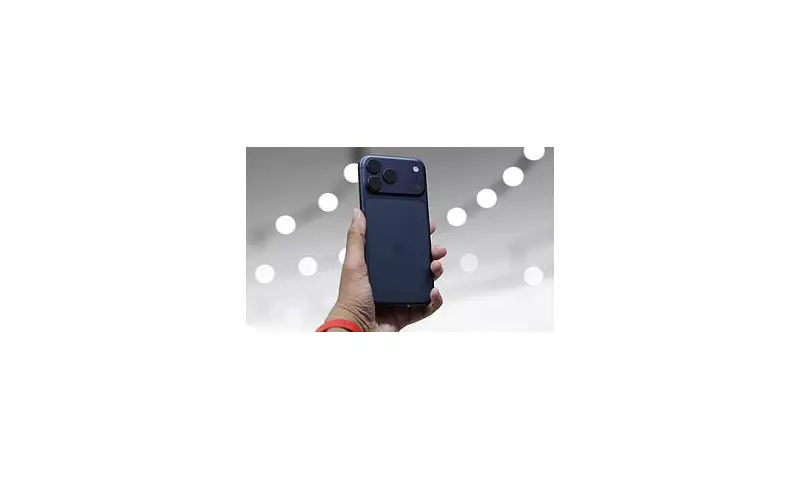
Apple's reputation for flawless reliability is facing its most serious challenge in years, as a wave of frustrated iPhone users take to social media to vent about persistent glitches, software bugs, and disappointing battery life. What began as scattered complaints has swelled into a chorus of discontent, with some long-time fans even pledging to switch to Android.
A Cascade of Software Bugs and Embarrassing Glitches
Over the past year, iPhone owners have reported a surge of technical problems. One of the most disruptive is an alarm glitch linked to iOS 26, which causes alarms to sound as a barely audible 'whisper', leading to missed appointments and even flights. Celebrity Traitors star Cat Burns highlighted this issue in a viral TikTok video, urging Apple to 'sort it OUT'.
Other widely reported issues include:

- The mysterious 'black dot of death' appearing on screens, sometimes requiring costly replacements.
- Old and private browsing history, including adult content, resurfacing unexpectedly, even after being cleared and viewed in incognito mode.
- Apps freezing, phones requiring multiple attempts to unlock, and random apps downloading automatically.
- Persistent problems with Wi-Fi and mobile data connectivity.
The backlash on platforms like X (formerly Twitter) and TikTok has been fierce. One user declared, 'I will never be an Apple customer again after dealing with this POS!!!!', while another complained, 'For $1100, Apple needs to do better.' The sentiment is clear: for a premium-priced device, customers expect seamless performance.
Innovation Stagnation and Rising Competition
Beyond the bugs, a deeper frustration is simmering: a perceived lack of meaningful innovation in each new iPhone generation. Users complain that upgrades offer minor tweaks rather than groundbreaking features. One commenter noted the iPhone 17 felt barely better than their old 11 Pro Max, criticising Apple for focusing on 'childish gimmicks'.
Analysts observe that competitors are making more noticeable leaps, particularly in camera technology and battery charging speed. Mark Patrick, Director of Technical Content at Mouser Electronics, told the Daily Mail that growing frustration 'could dent its status as the 'go-to' device.'
Rebecca Crook, UK CEO of IT consulting firm MSQ XD, warned of a 'breakdown' in Apple's core promise of quality. 'The real risk isn't extinction; it's erosion of trust,' she said, highlighting the premium customers pay. She predicts Apple may need to move away from rigid annual releases to a more flexible cadence, akin to its iPad strategy, to deliver truly innovative products like a potential 'iPhone Air'.
Will Complaints Translate into Lost Sales?
Despite the vocal online uprising, the commercial picture for Apple remains robust. Jan Stryjak, head of European research at Counterpoint Research, points to Apple's incredibly loyal fanbase and tight-knit ecosystem, which makes switching difficult. Counterpoint's data suggests the iPhone 16 was the best-selling smartphone globally in Q3 2024, and Apple is on course to dethrone Samsung as the world's biggest smartphone maker by next year.
Analysts believe the iPhone's strong sales, driven by upgrades, mean Apple is unlikely to radically alter its strategy immediately. However, the sustained criticism over glitches, battery life, and the perceived failure of Apple Intelligence marks a significant shift in public perception. The company now faces the delicate task of repairing user trust while maintaining its market dominance, a challenge that will define its trajectory in the coming years.
Apple did not respond to a request for comment on these widespread user complaints.






