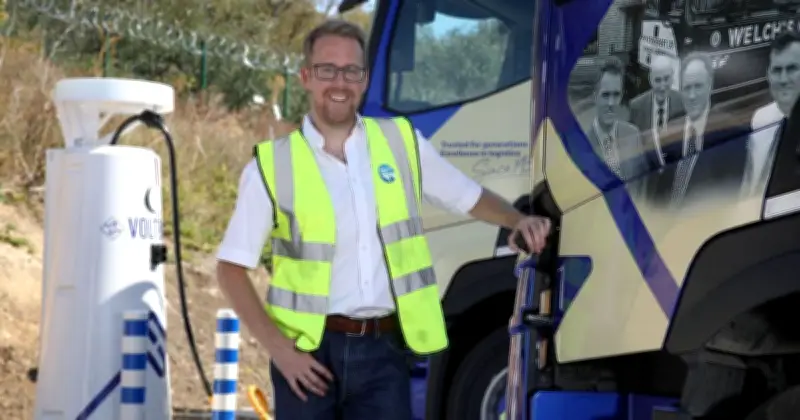
Diesel prices approaching £2 a litre are adding £35 million a week to Britain's haulage bills, but one Cambridgeshire firm says going electric could save nearly £800,000 a year. Welch Group believes switching to electric lorries and sharing its charging facilities with other hauliers could deliver annual savings of £792,000 by 2035.
Diesel costs surge
Diesel hit 199.9p a litre on September 30, up 35p since July 8. Research by New AutoMotive suggests the price surge is costing Britain's hauliers tens of millions of pounds every week.
Chris Welch, CEO of Welch Group, said: "Diesel prices are proving that our decision to go electric was the right one. We're already seeing substantial savings on energy costs compared with diesel, and every increase at the pump makes the economics of electrification more compelling."
Forecast savings
The £792,000 figure is a forecast operating-cost saving against a diesel fleet, not money already saved. The company's modelling suggests the effective cost of charging its electric trucks could fall from 42p per kWh today to just 9.1p by 2035, provided its expansion and shared charging plans succeed.
Welch added: "This is about running a more efficient and competitive haulage business. Cutting emissions matters, but so does protecting our margins."
Industry reaction
Simon Smith, CEO of electric truck charging specialist Voltempo, said: "For years, operators have been told that electrification means choosing between doing the right thing and making money. That choice is disappearing."
Despite the potential savings, diesel still dominates Britain's roads, accounting for 97% of new truck registrations in 2025. Ben Nelmes, CEO of New AutoMotive, warned: "Hauliers are paying tens of millions of pounds more every week for diesel, and almost every new truck sold in Britain still depends on it."
Electric truck manufacturer Windrose says rising diesel costs are already driving a surge in orders, with customers increasingly willing to pay for vehicles before delivery.