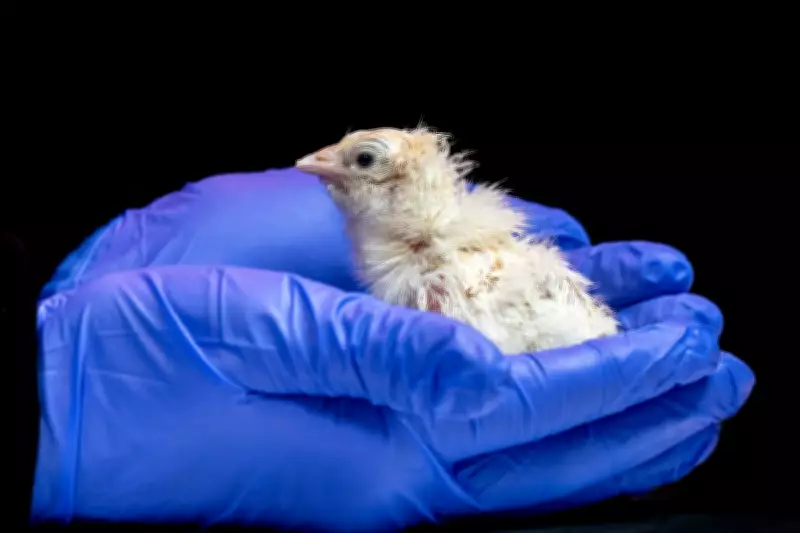
A biotechnology company focused on resurrecting extinct species has announced a significant milestone: the successful hatching of 26 live chicks using a 3D-printed artificial eggshell system. Colossal Biosciences, known for its ambitious de-extinction projects, intends to leverage this technology to genetically modify living birds so they resemble long-gone species, such as New Zealand's South Island giant moa.
Technological achievement or artificial egg?
Independent scientists have acknowledged the technical feat but point out that the system is essentially an artificial eggshell rather than a complete artificial egg, as it lacks other critical components like the yolk and albumen. Critics also argue that the concept of truly reviving extinct creatures remains largely unattainable, and producing chicks from artificial vessels is not a novel breakthrough. Similar experiments have been conducted in the past with varying degrees of success.
Ethical and practical concerns
Beyond the scientific debate, concerns have been raised about the post-birth survival of de-extinct animals in modern environments. Some experts suggest that conservation efforts would be better directed toward preserving currently endangered species rather than attempting to bring back those that have already vanished. The company's previous work includes genetically engineering living animals to resemble extinct species, a practice that has drawn both fascination and criticism.

The achievement, while notable, highlights the ongoing tension between technological possibility and ecological responsibility. As Colossal Biosciences pushes forward, the broader scientific community remains divided on whether de-extinction is a worthwhile pursuit or a distraction from more pressing conservation challenges.